

One of the things of interest to folks who enjoy photographing birds, especially birds-in-flight, is the continuous auto-focus (AF-C) performance of a camera body. This article features some sample Nikon 1 V3 AF-C image runs of swans coming in for water landings.
The first run is of 22 consecutive images. These were captured at a focal length of 121mm, efov 326mm, f/5.6, 1/2500, ISO-400. Since I use Manual setting with my V3 and an Auto-ISO of 160-3200 the ISO can shift marginally between images.
I did a very modest amount of image processing with all of the photographs in this article as my main intent with it is to demonstrate the AF-C capability of the Nikon 1 V3.
Some readers may find it interesting that I did not have the VR on my Nikon 1 CX 70-300mm f/4.5-5.6 zoom lens turned on for these AF-C image runs. After some experimentation I have discovered that I get better and more consistent image framing without the use of VR for this type of photography. I’m certainly not attempting to tell readers how they should use their camera gear – just simply sharing my experience.
The best way to view these AF-C images in succession is to click on the first one to enlarge it, then continue clicking through the balance of 21 remaining ones in this run.
Technical Note:
All of the images in this article are 100% captures with no cropping done at all. All were captured hand-held in available light.

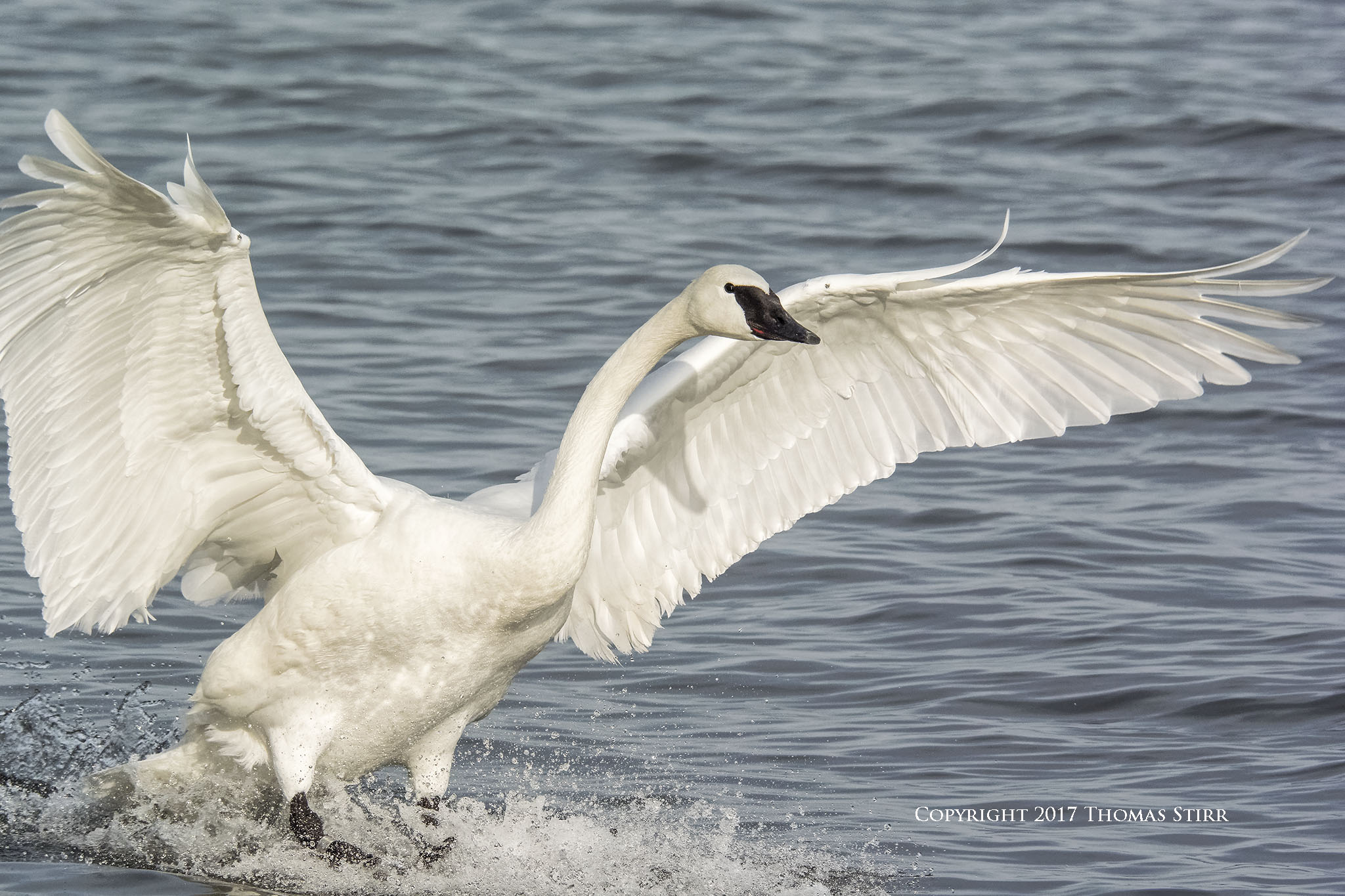
You can see in the image above that my V3 missed focus on the first photograph of this AF-C run.

Focusing is getting closer, but still not quite there in the photograph above.

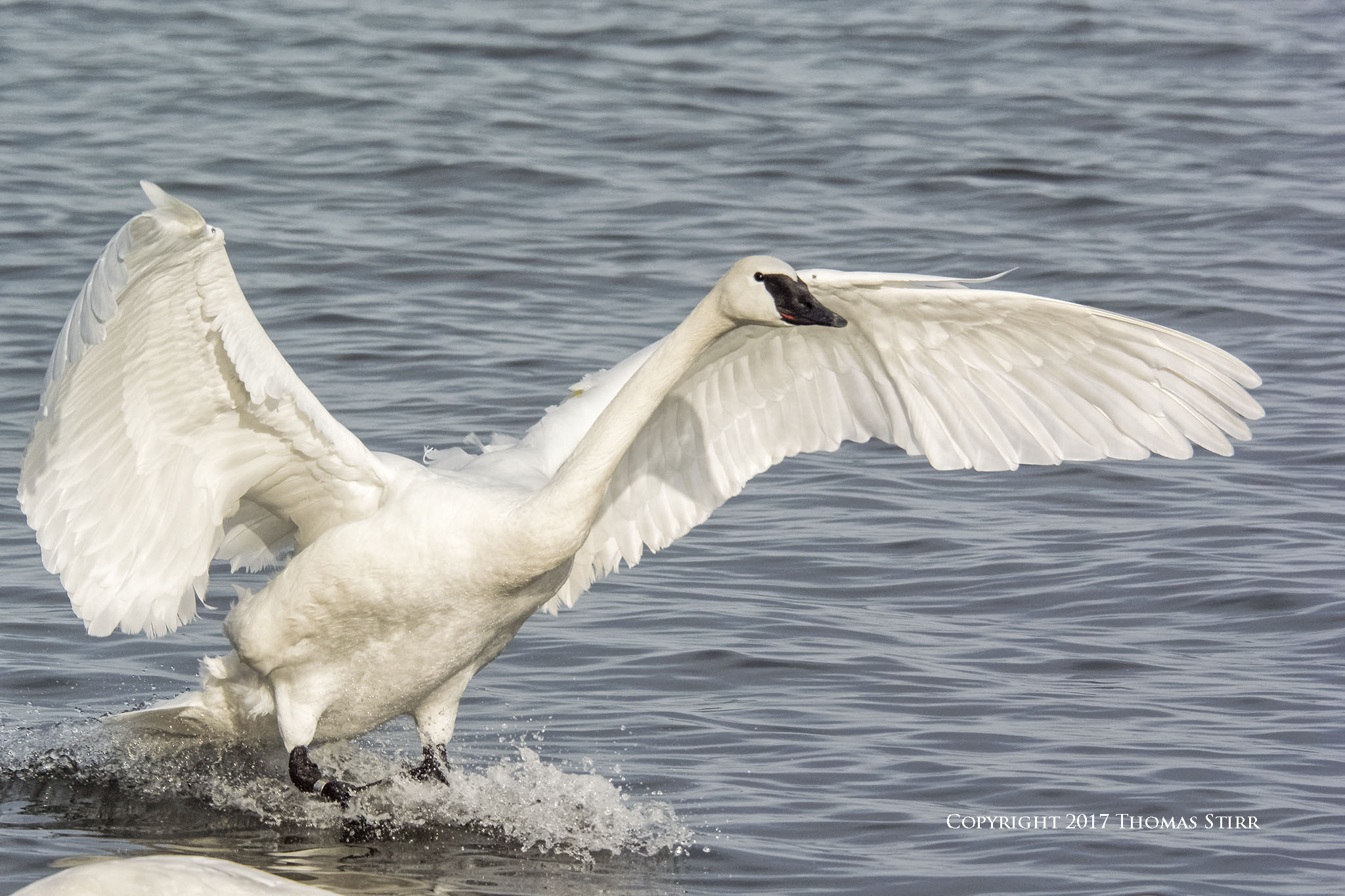
As you can see in the photograph above, my V3 has now found focus. Let’s look at the balance of the AF-C image run.


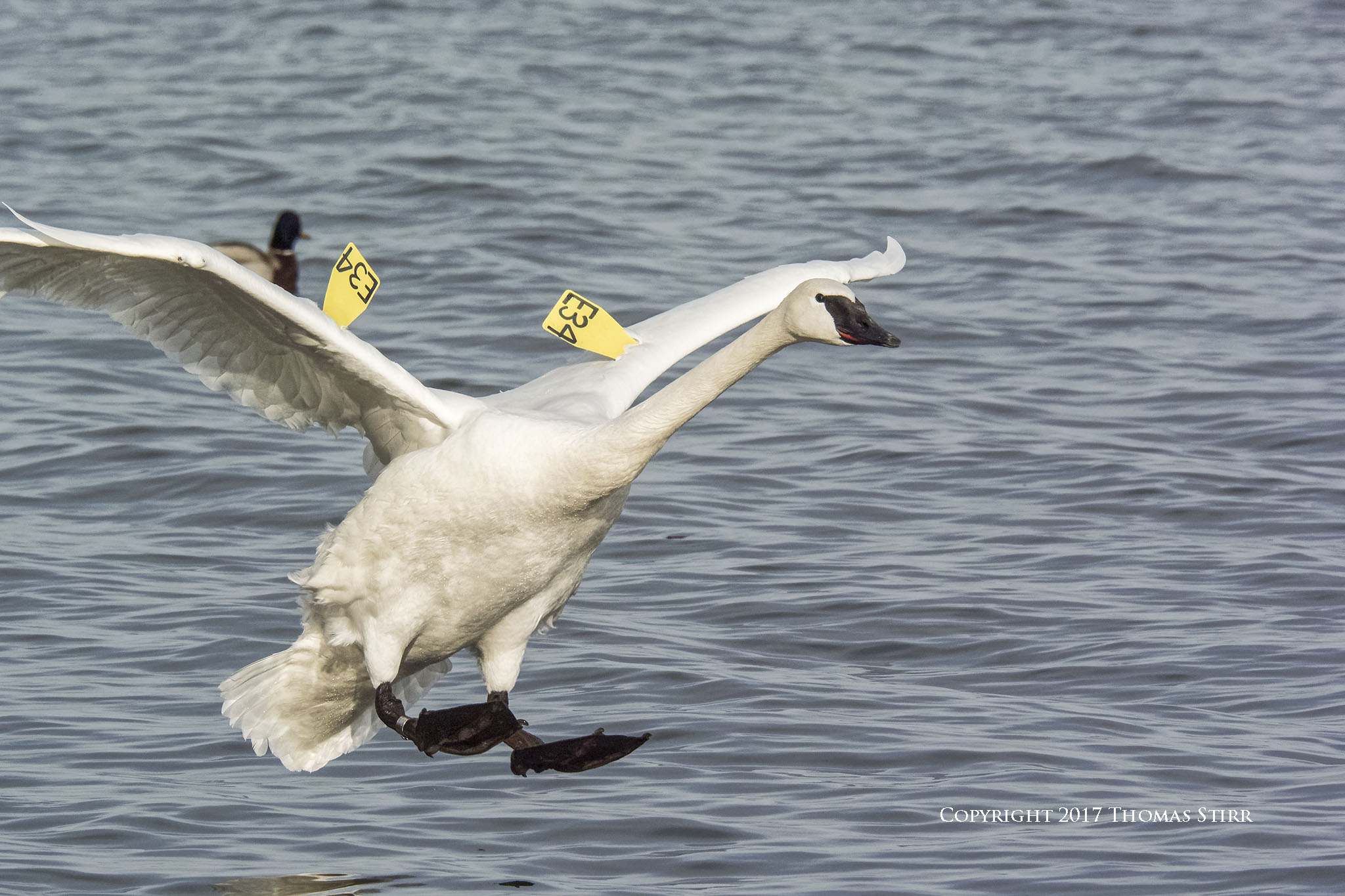
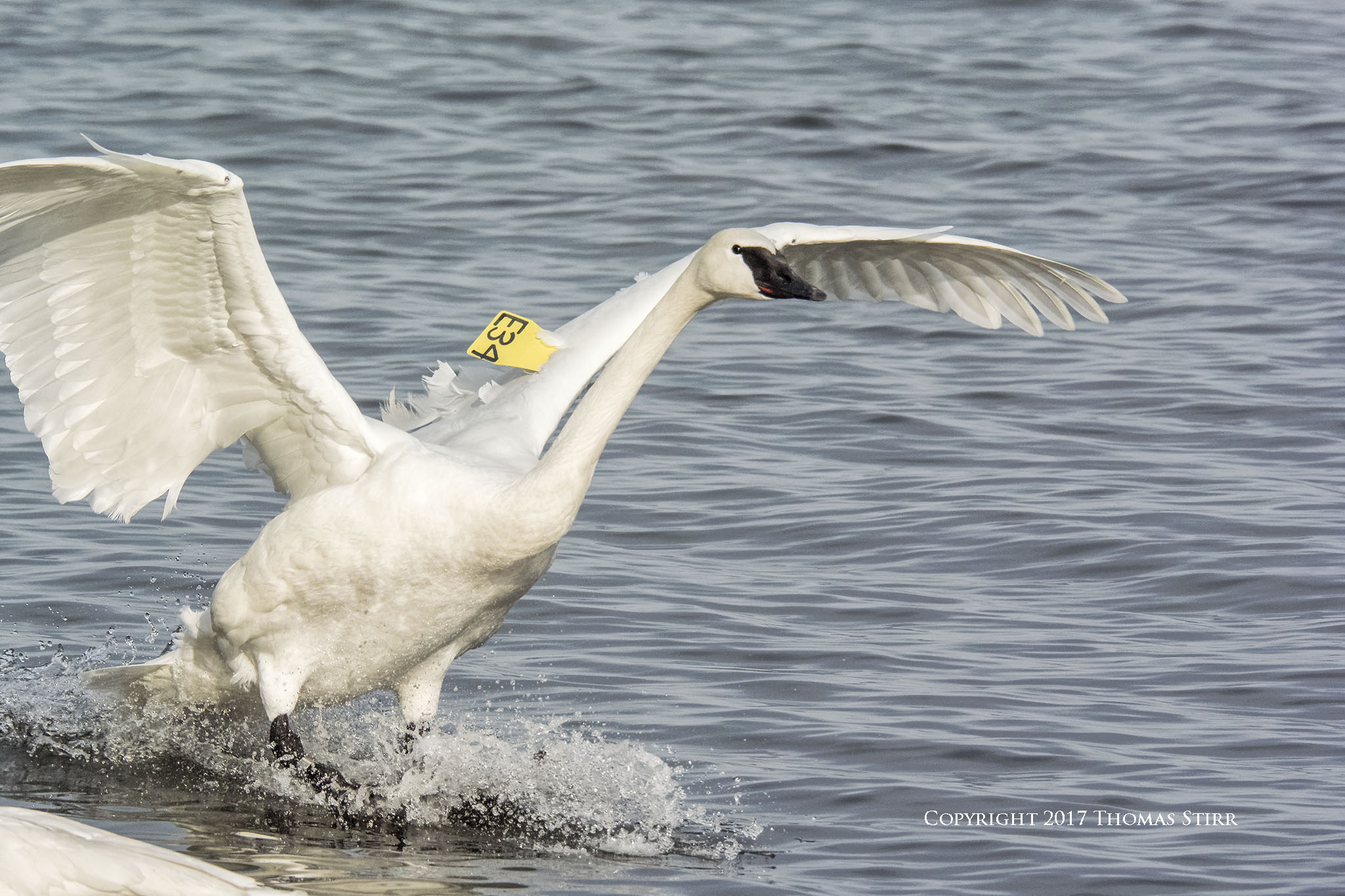
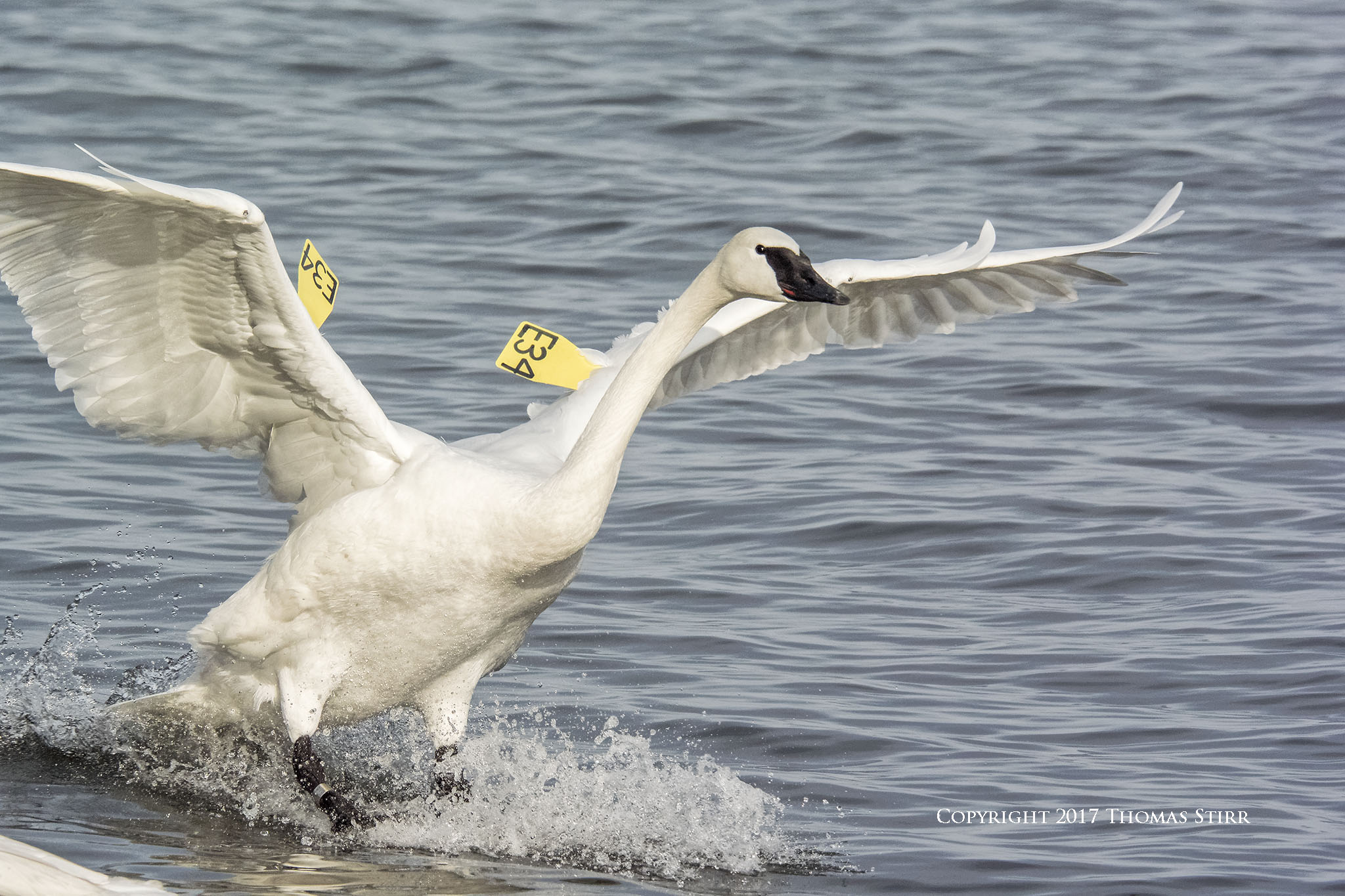
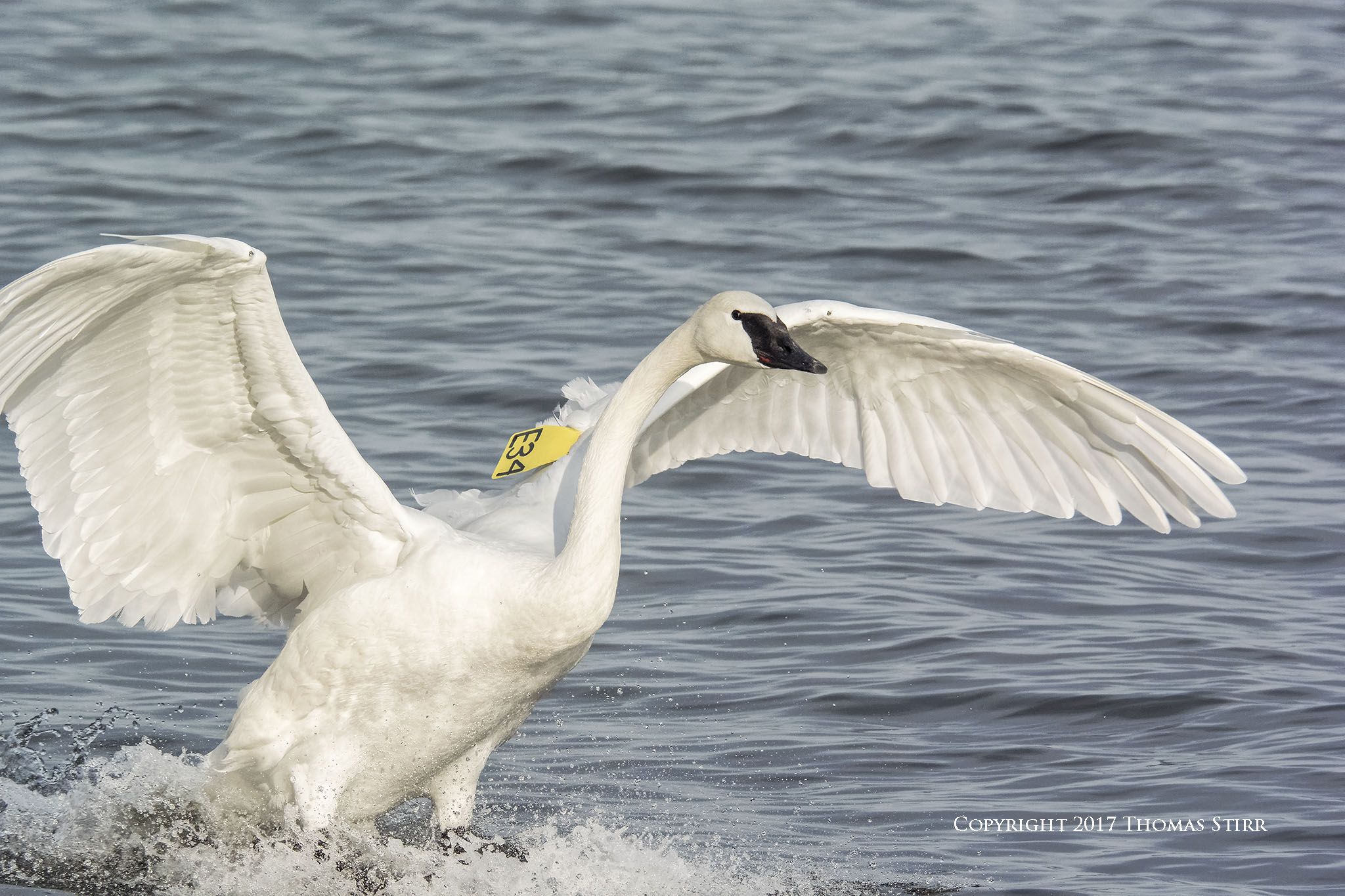
Other than a portion of the yellow ID tag on the left wing being visible in the image above, this photograph is close to being usable.


Very small amount of yellow ID tag is visible on left wing. I like the ‘walking on the water surface’ position of the swan’s feet.


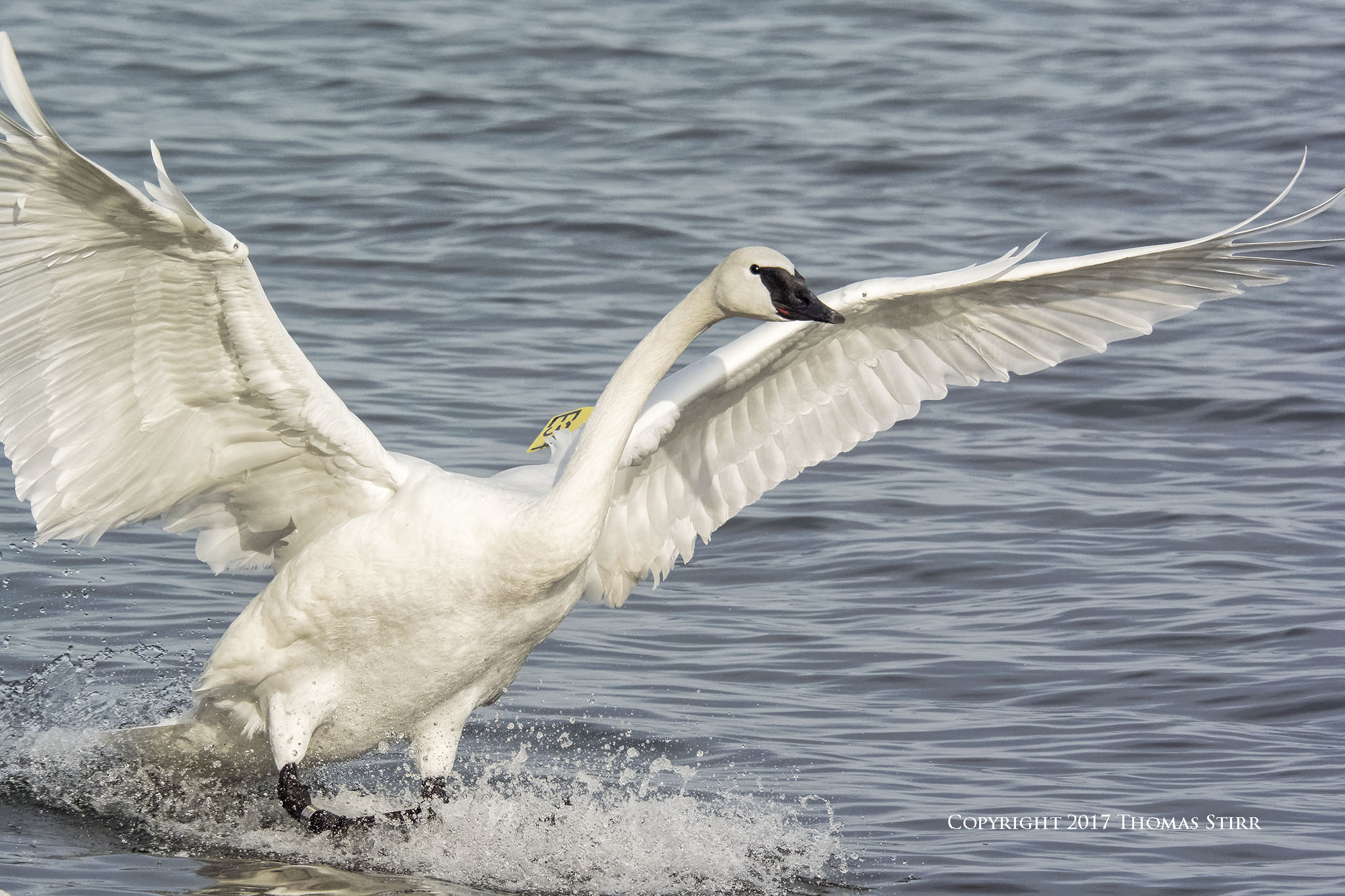
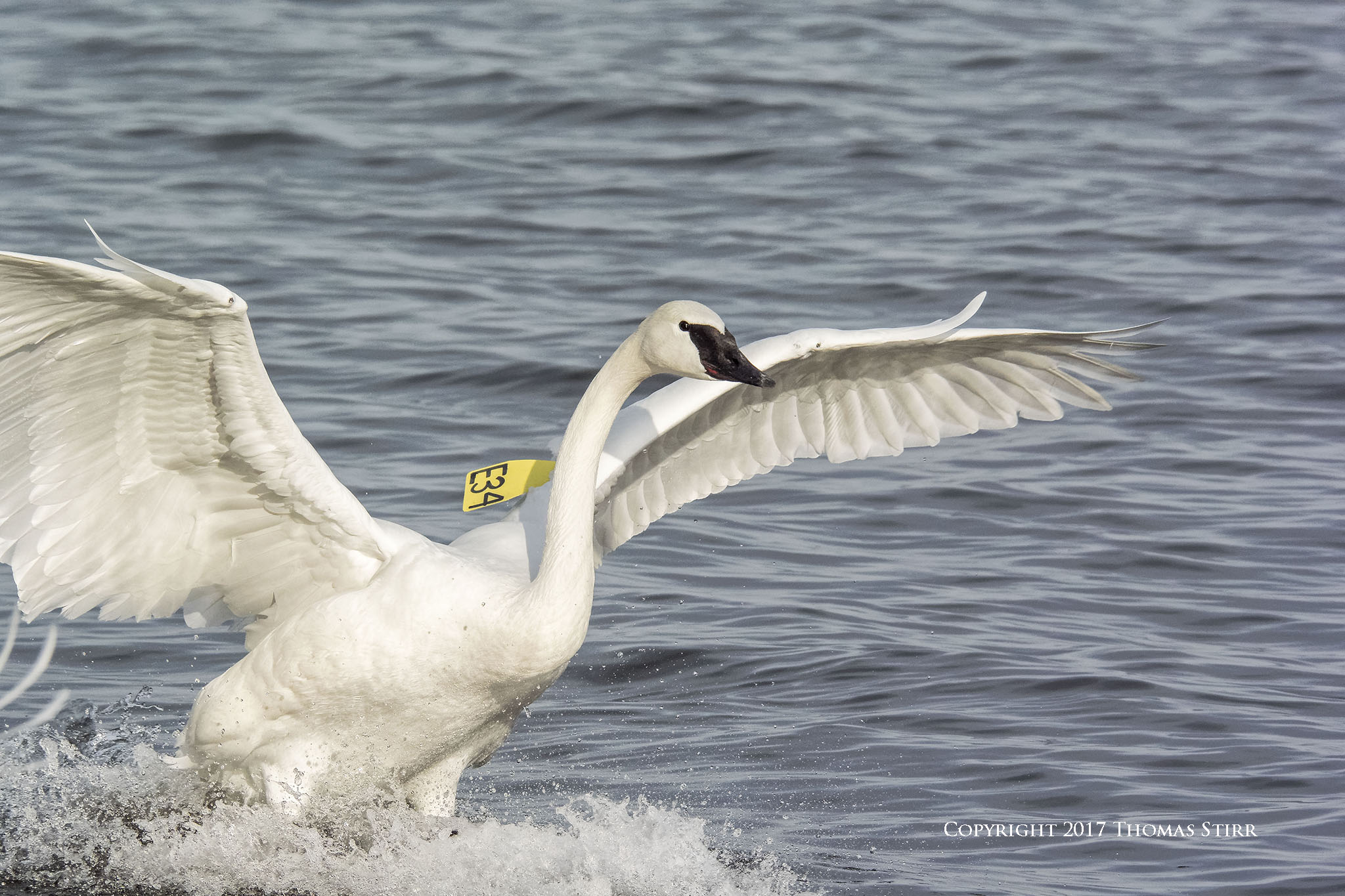
I personally like this capture. The yellow ID tag is barely visible and the swan is overflowing the frame giving the image a ‘close up and personal’ feeling.

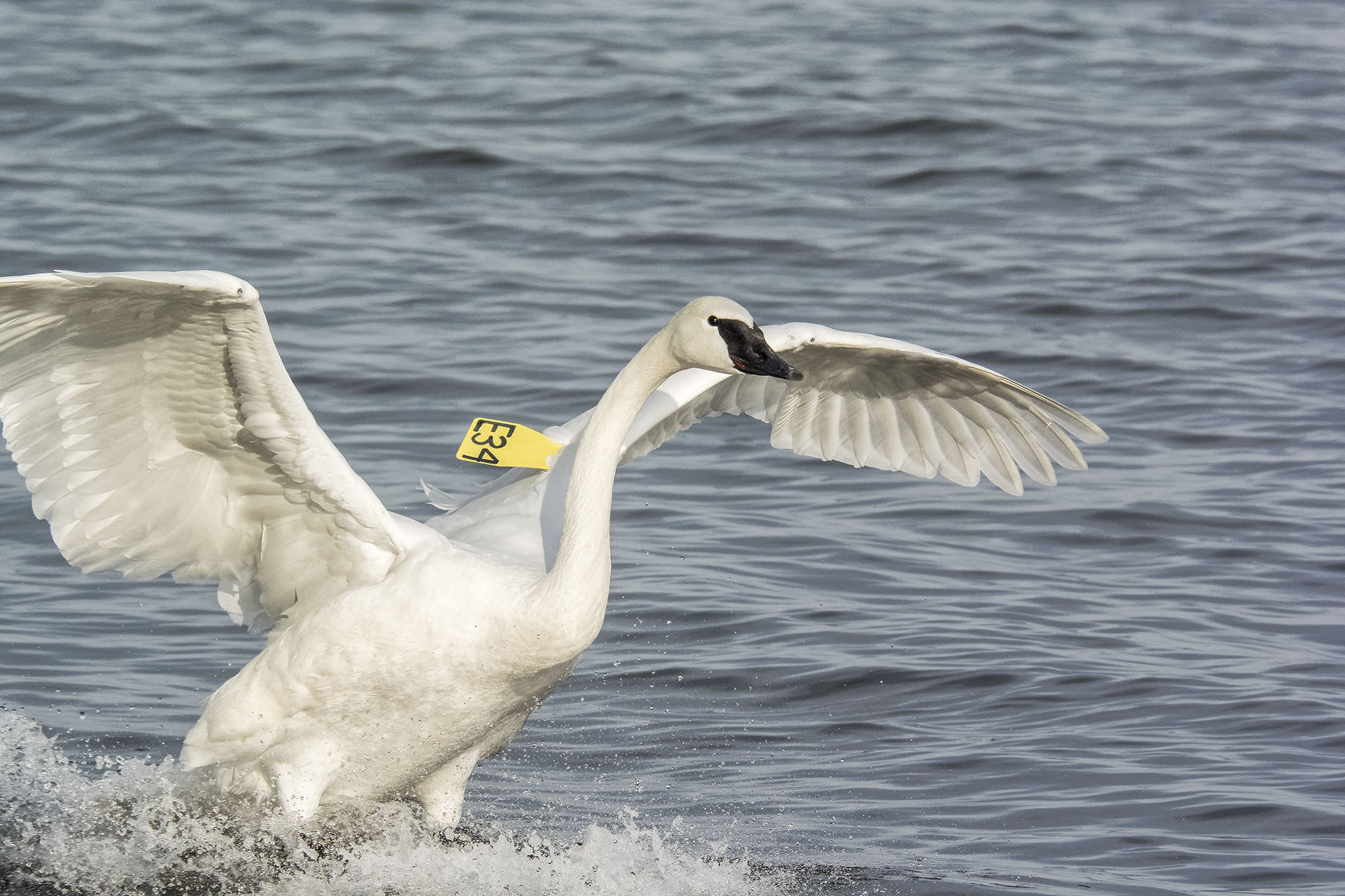
Oops! I didn’t track with the bird as well as I should have and missed framing this photograph.

Almost have the bird framed correctly again.

If I would have photographed an untagged swan this would have been a nice capture.


Larger birds, like swans, are easier subjects for any camera with which to maintain focus. It can be a bit tricky for a camera to maintain focus with a bird drawing nearer as was the case with the V3 AF-C image run you have just viewed.
For those readers who are interested in another example the second AF-C run contains 40 consecutive images (I shot until my V3’s buffer filled). These were captured using a focal length of 204mm, efov 552mm, f/8, 1/2000, ISO-720. If you would like to see this longer AF-C run simply go to the next page of this article.
As with the first V3 AF-C image run, the easiest way to view the images in succession is to click on the first one to enlarge it, then continue clicking through the remaining 39 images. You’ll notice that my Nikon 1 V3 grabbed focus immediately with this long, 40 consecutive image AF-C run.
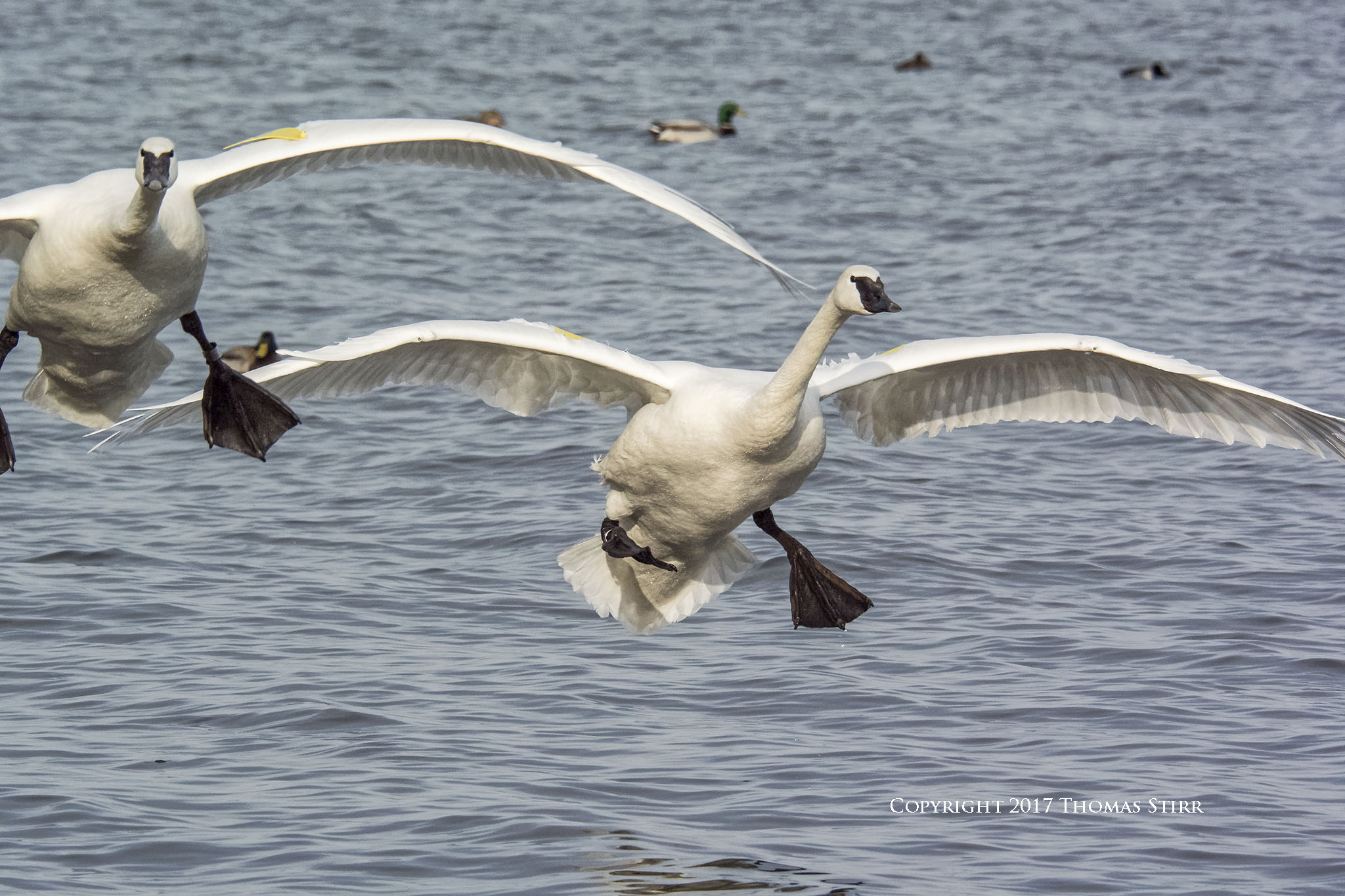
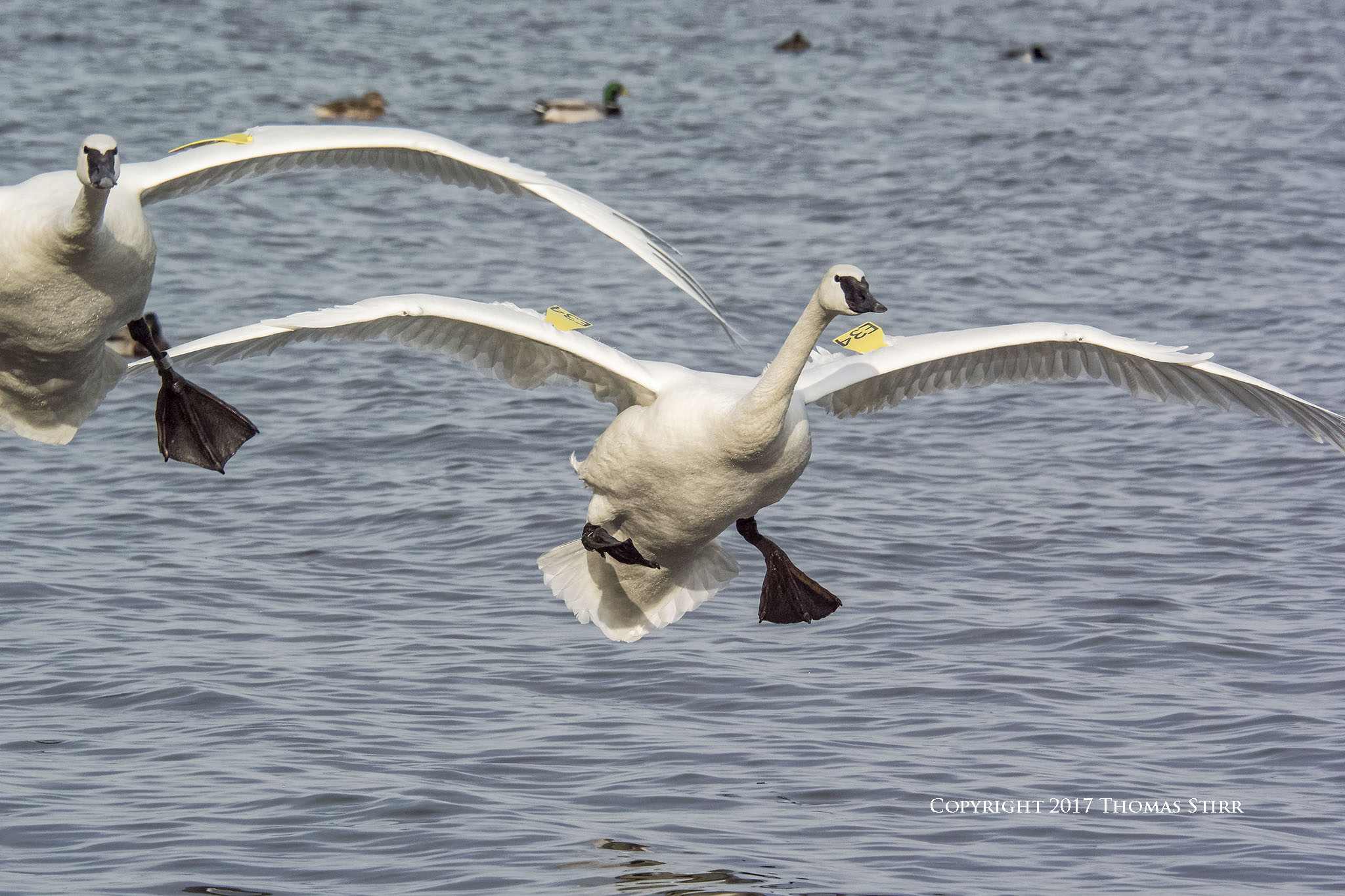
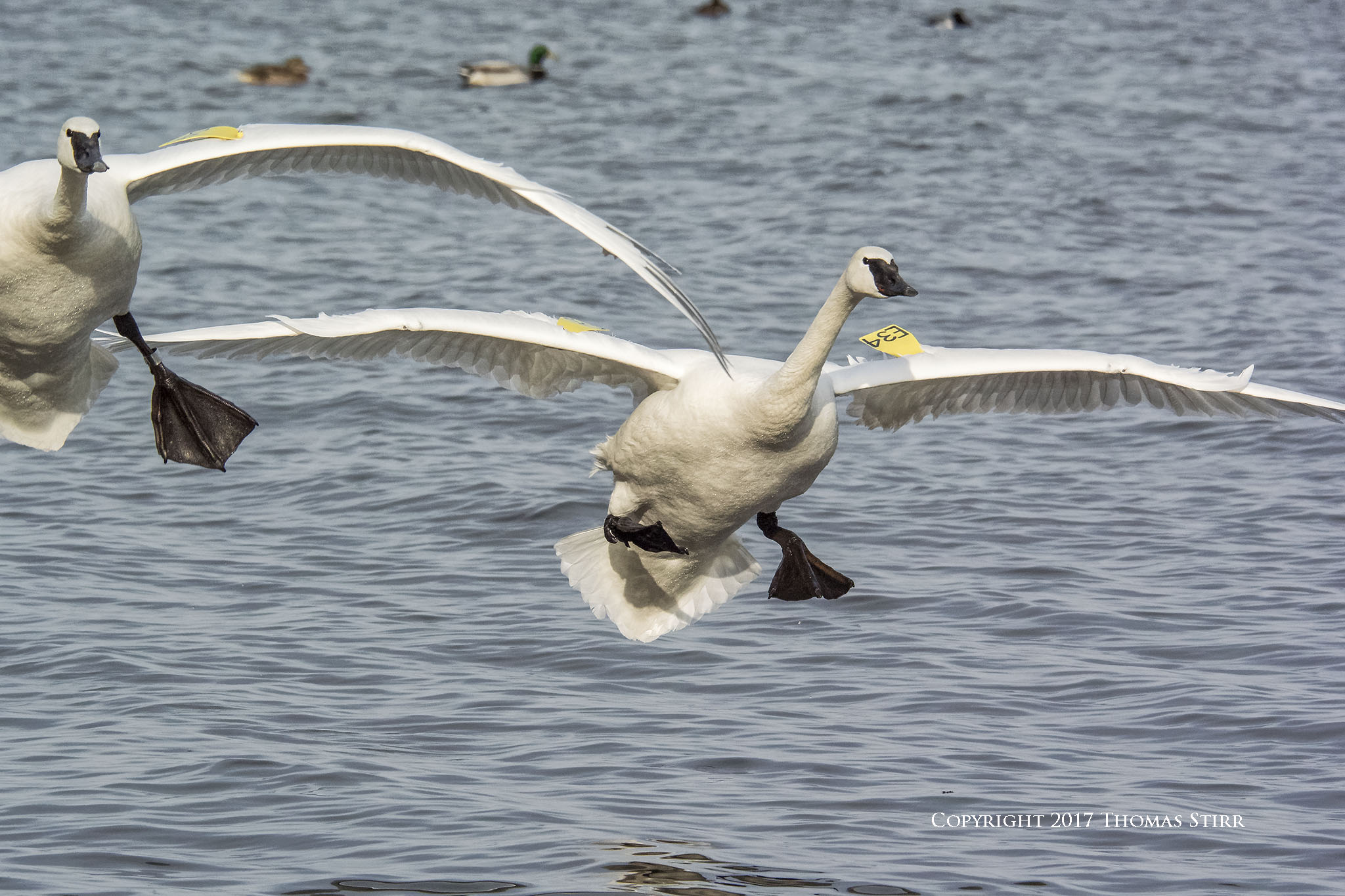
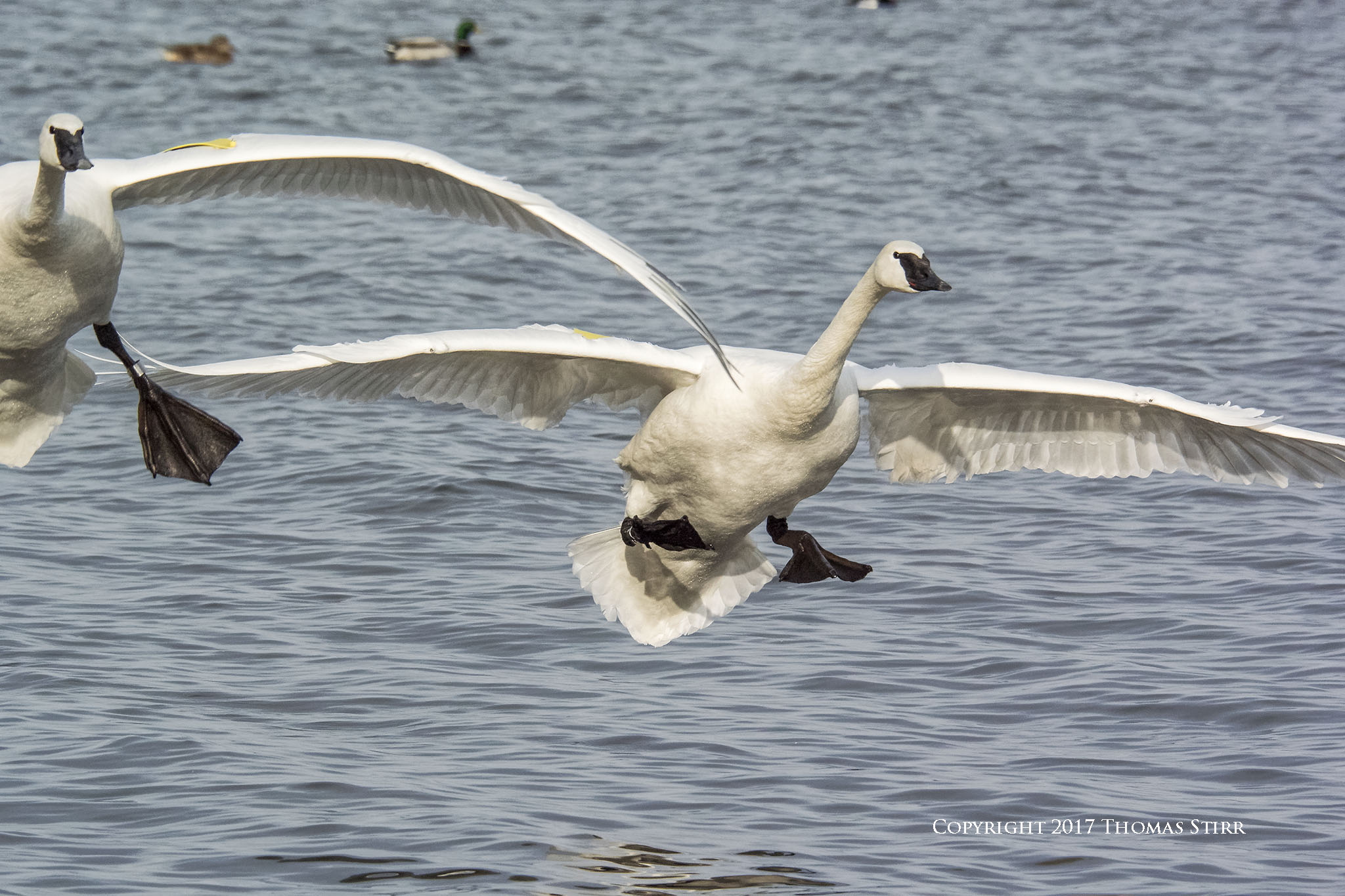
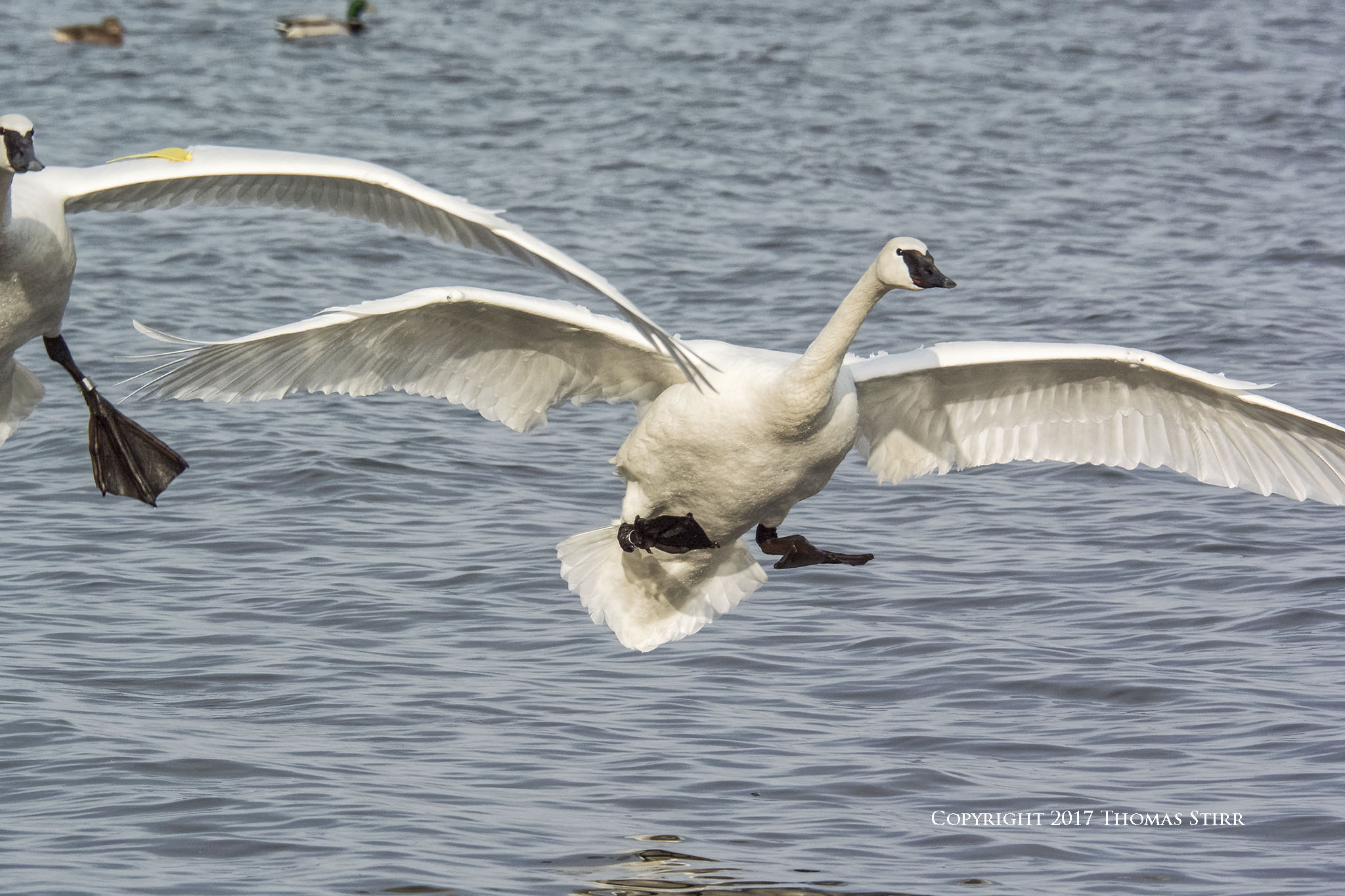
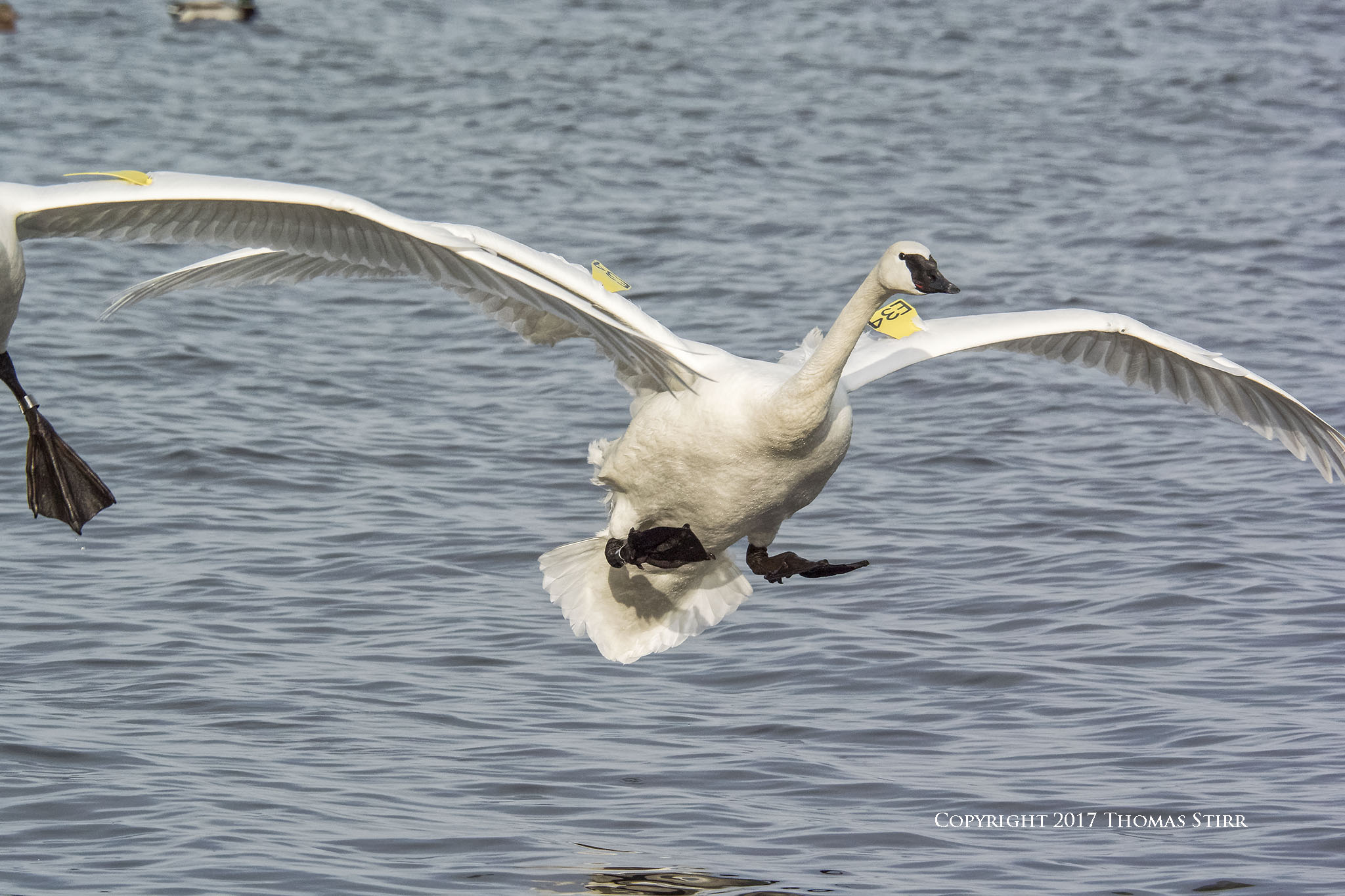
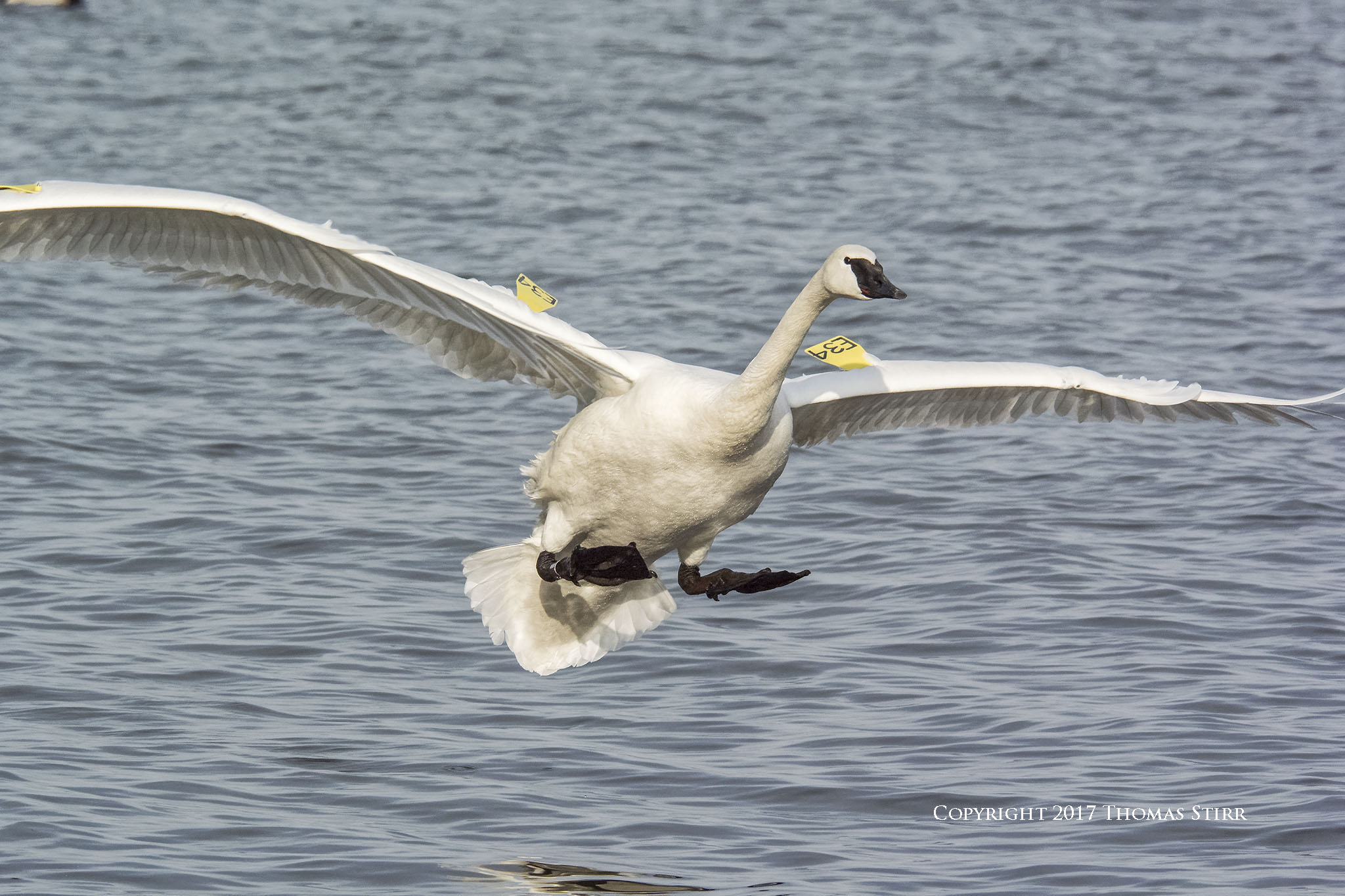
The wing from the swan on the left hand side of the photograph is creating an optical illusion of a ‘mega wing’.
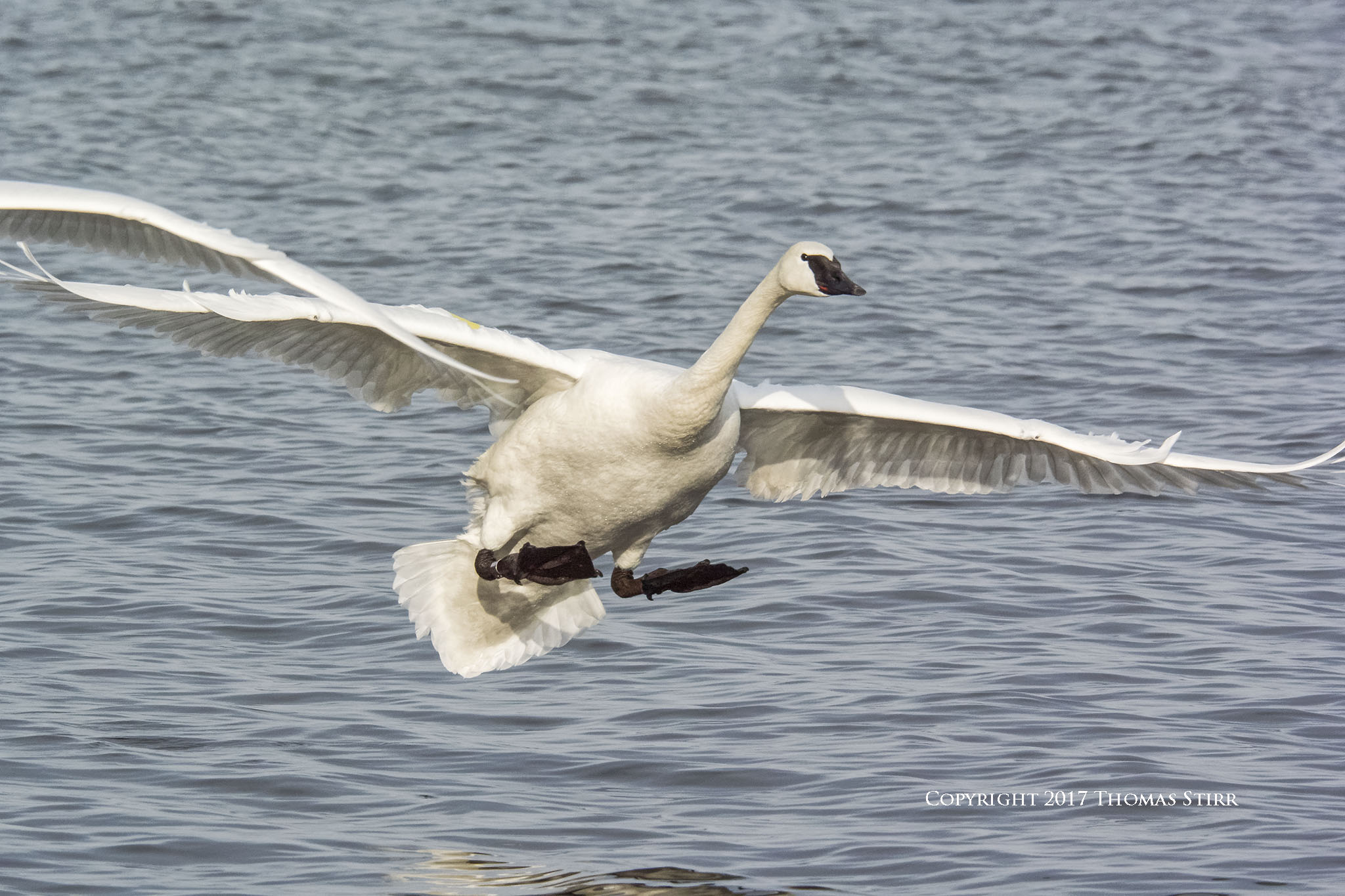
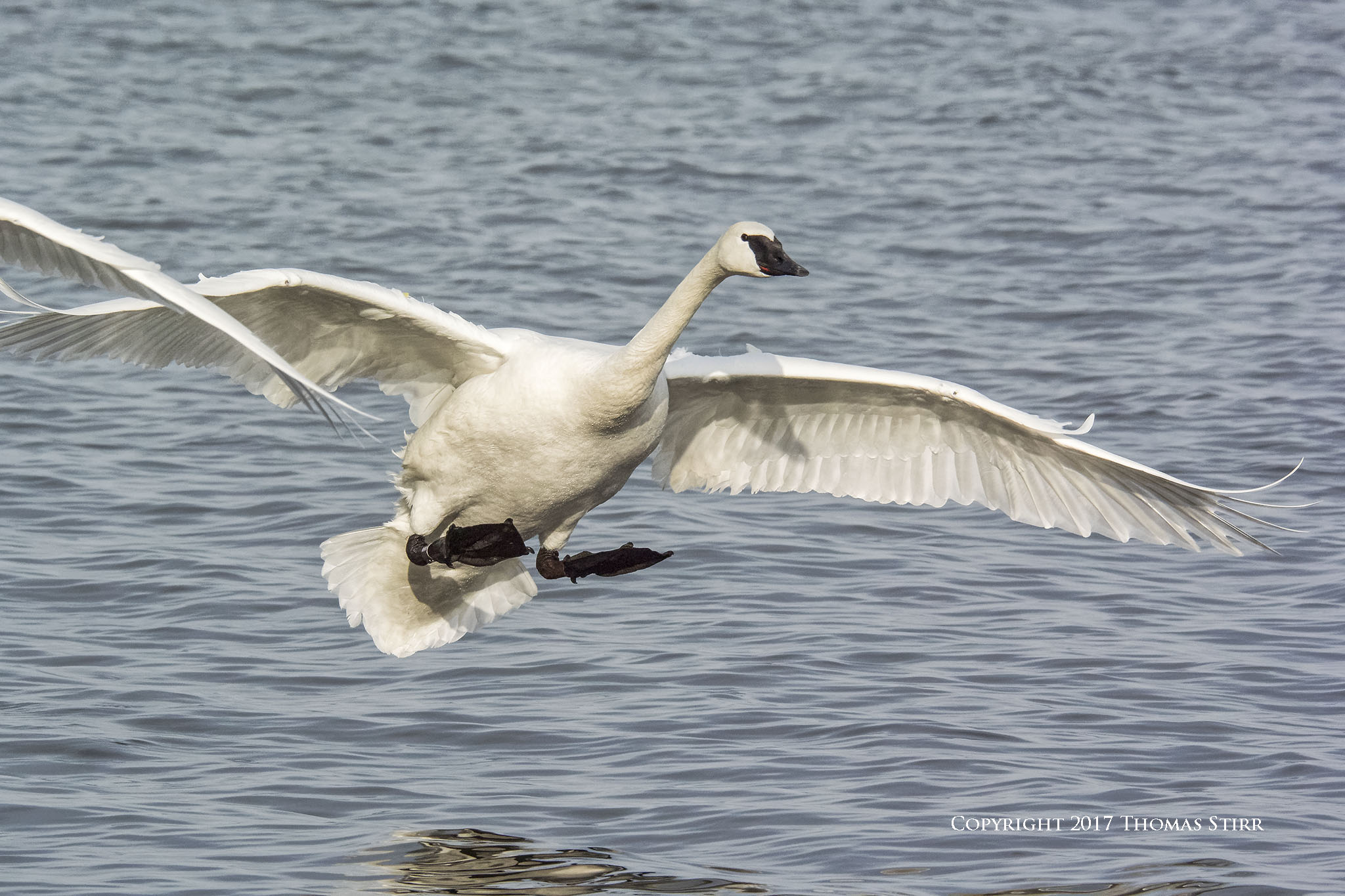
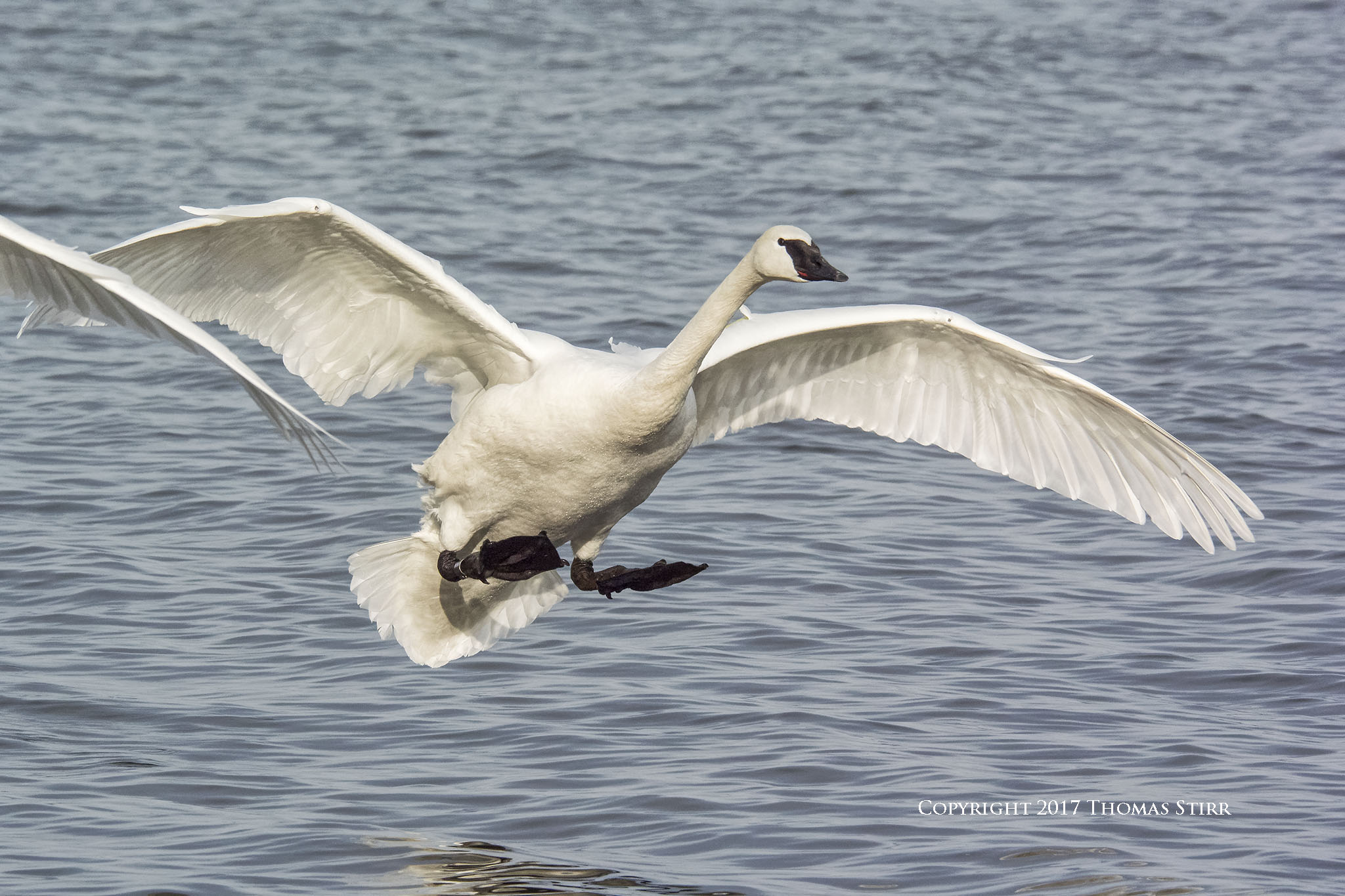
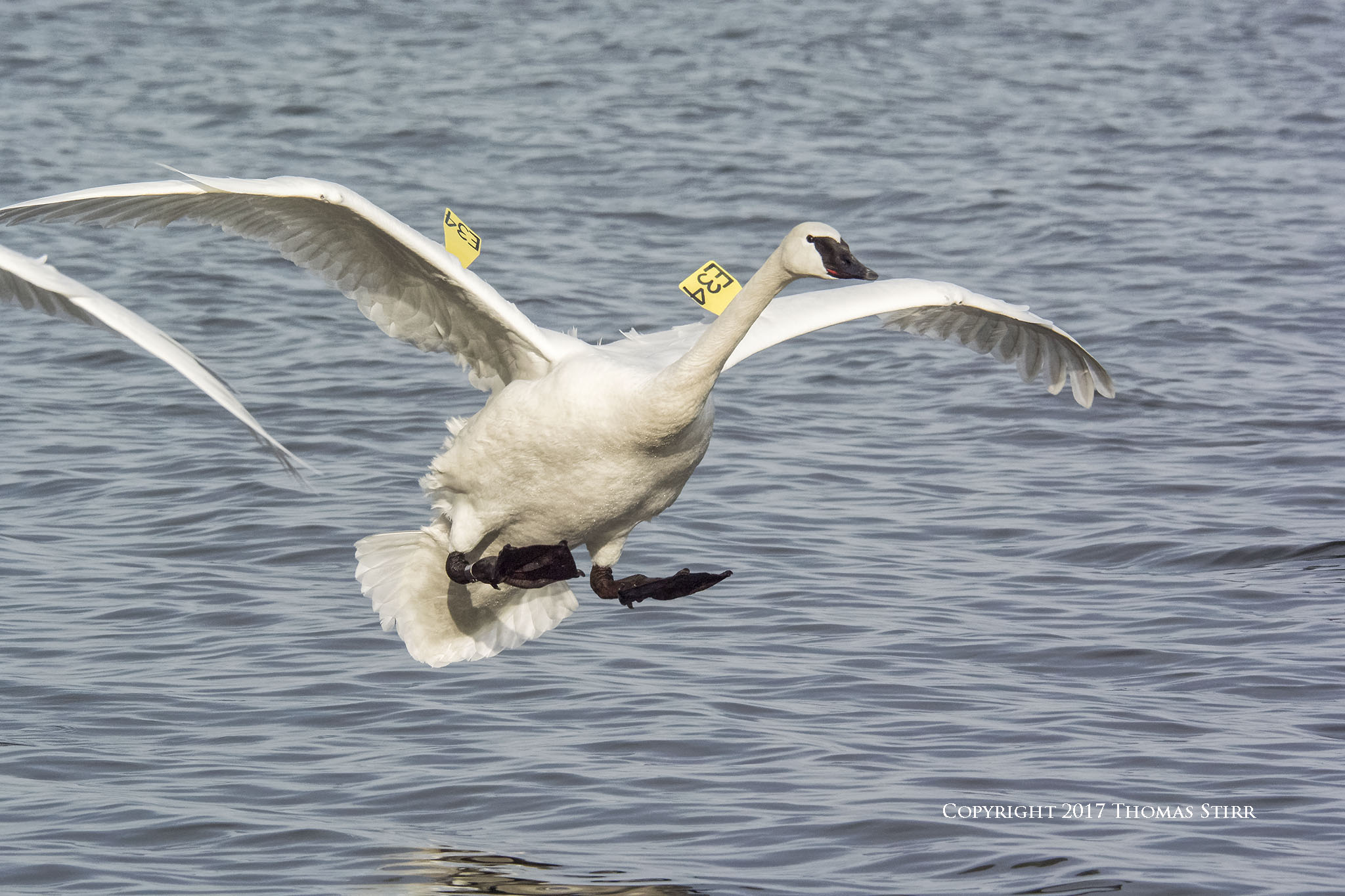
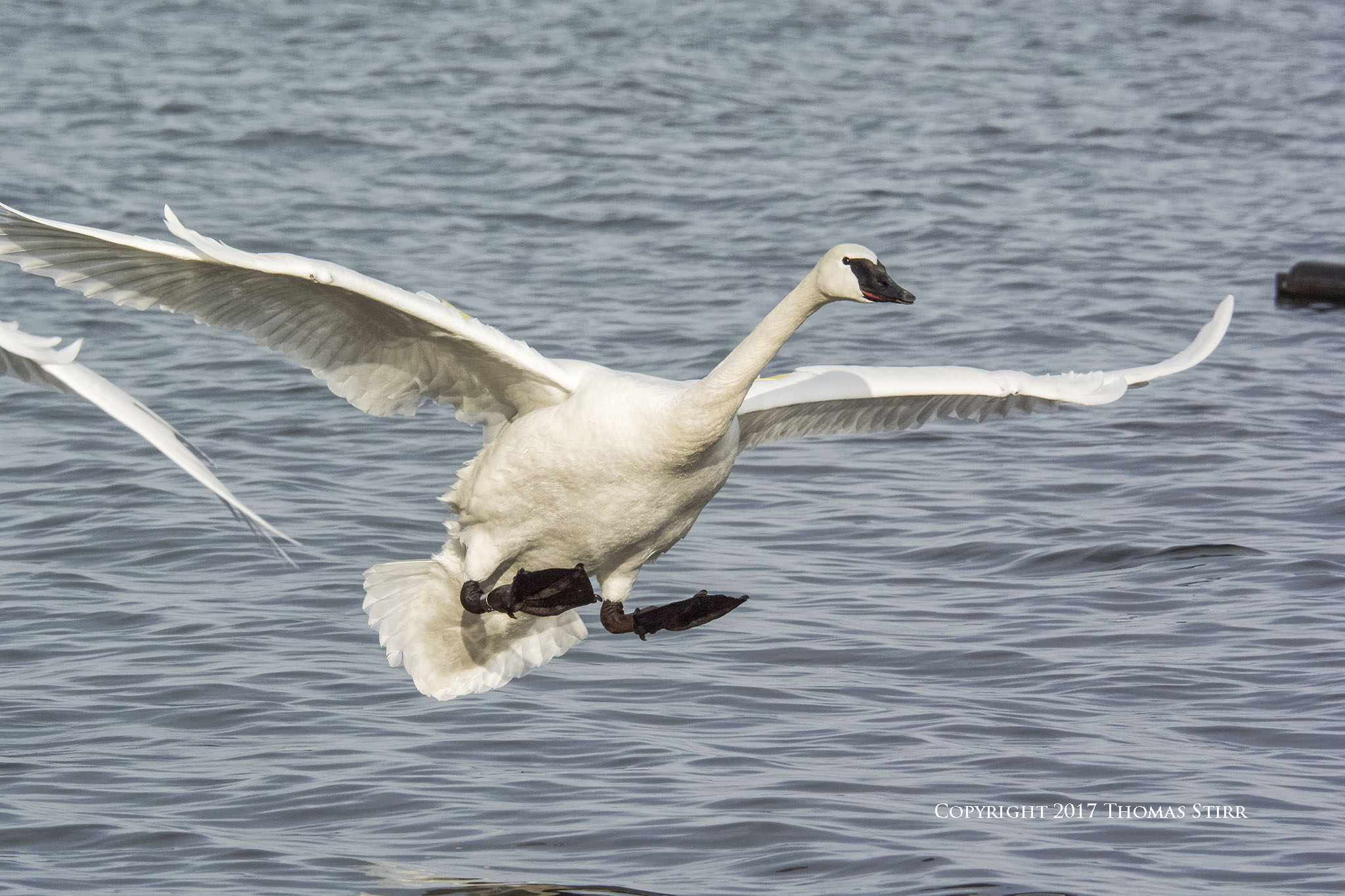
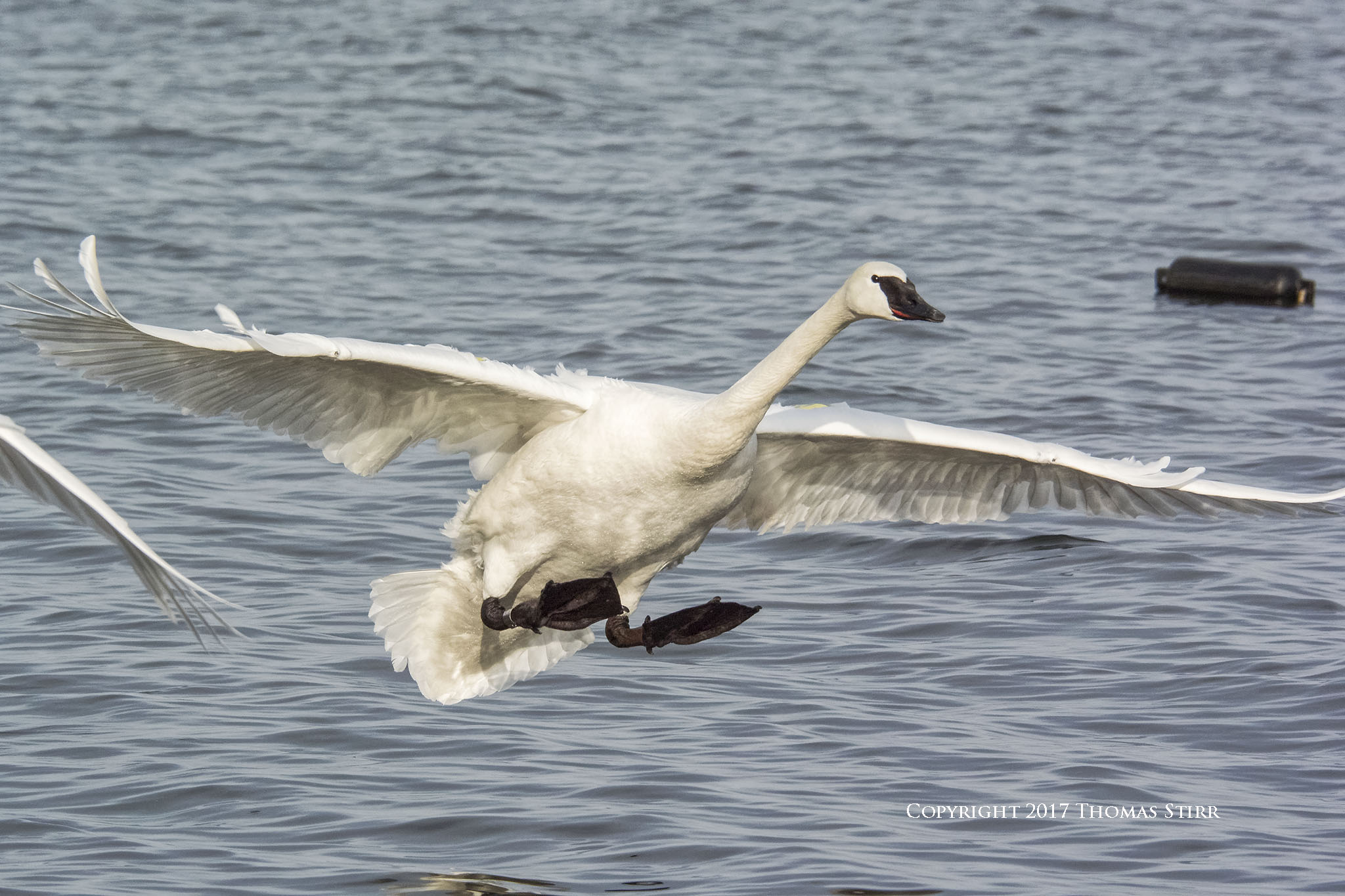
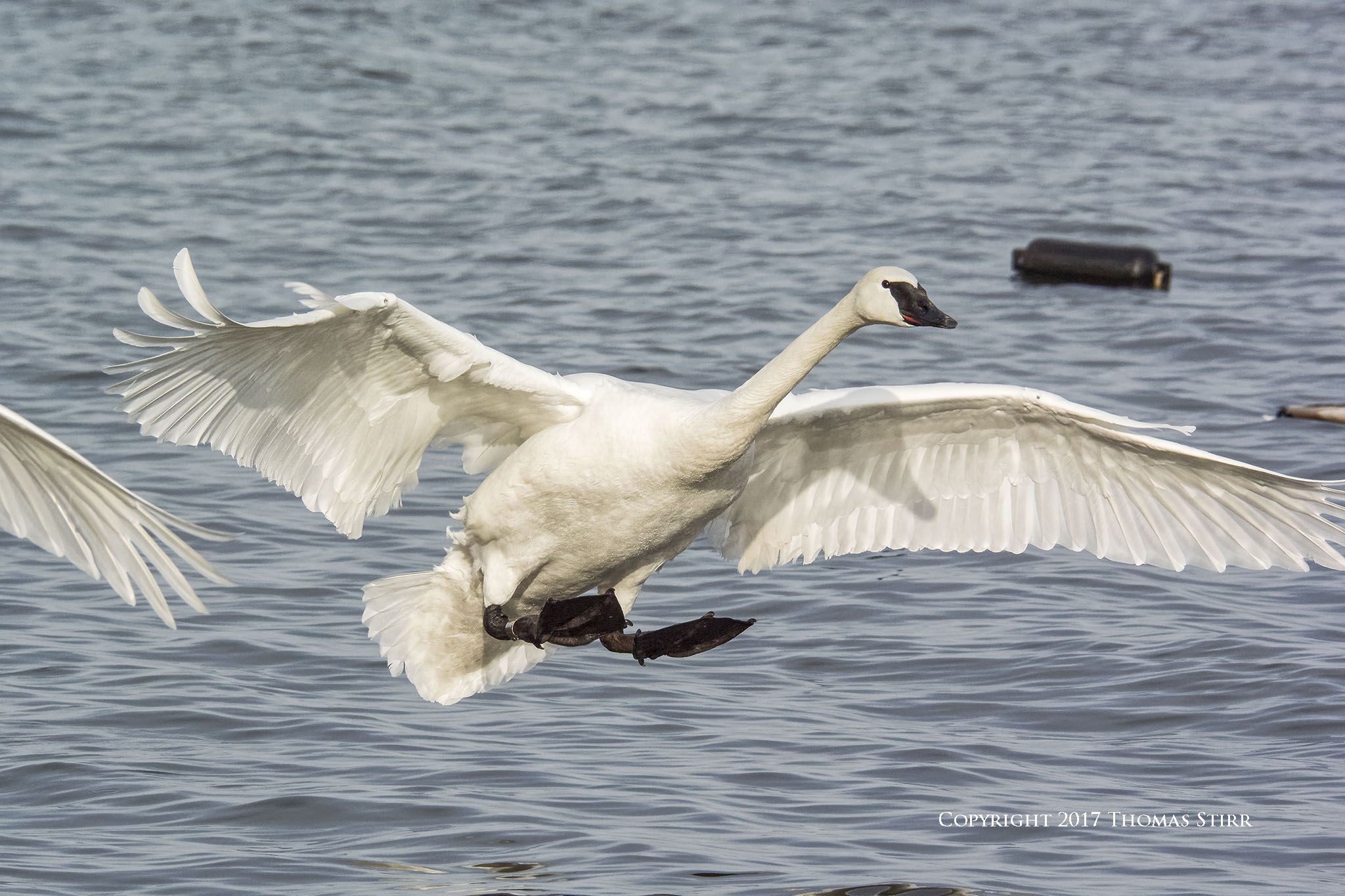
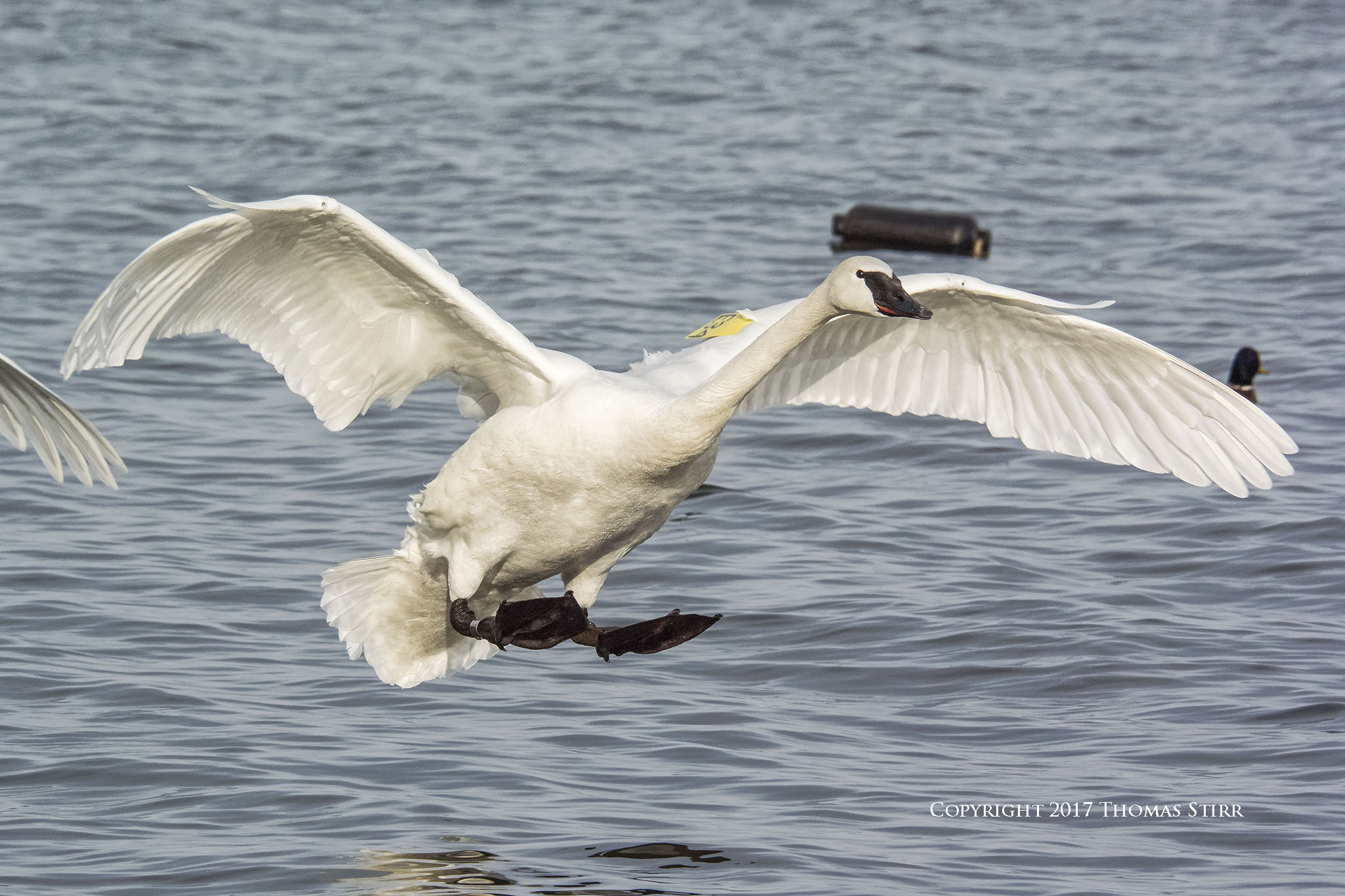
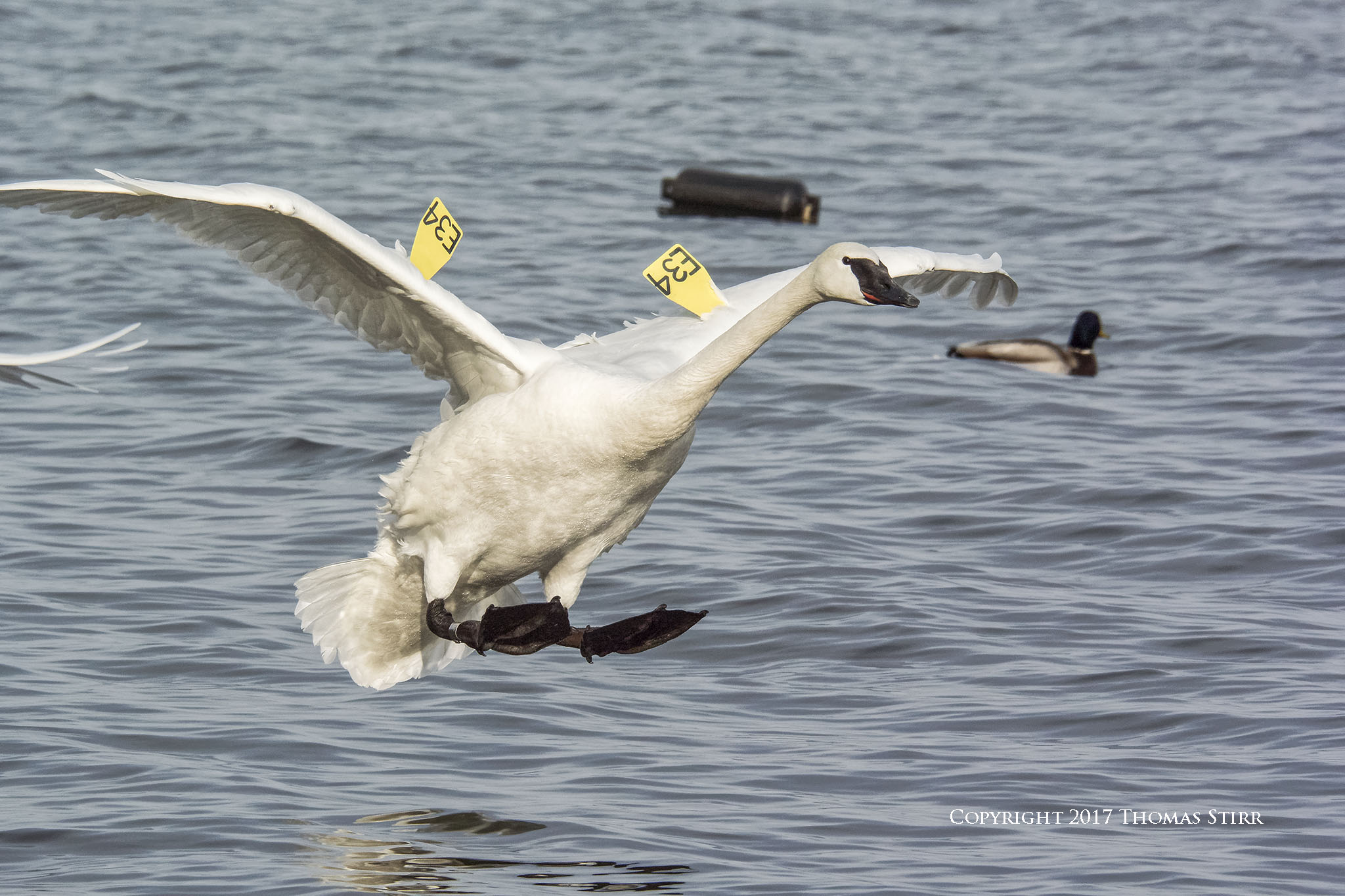
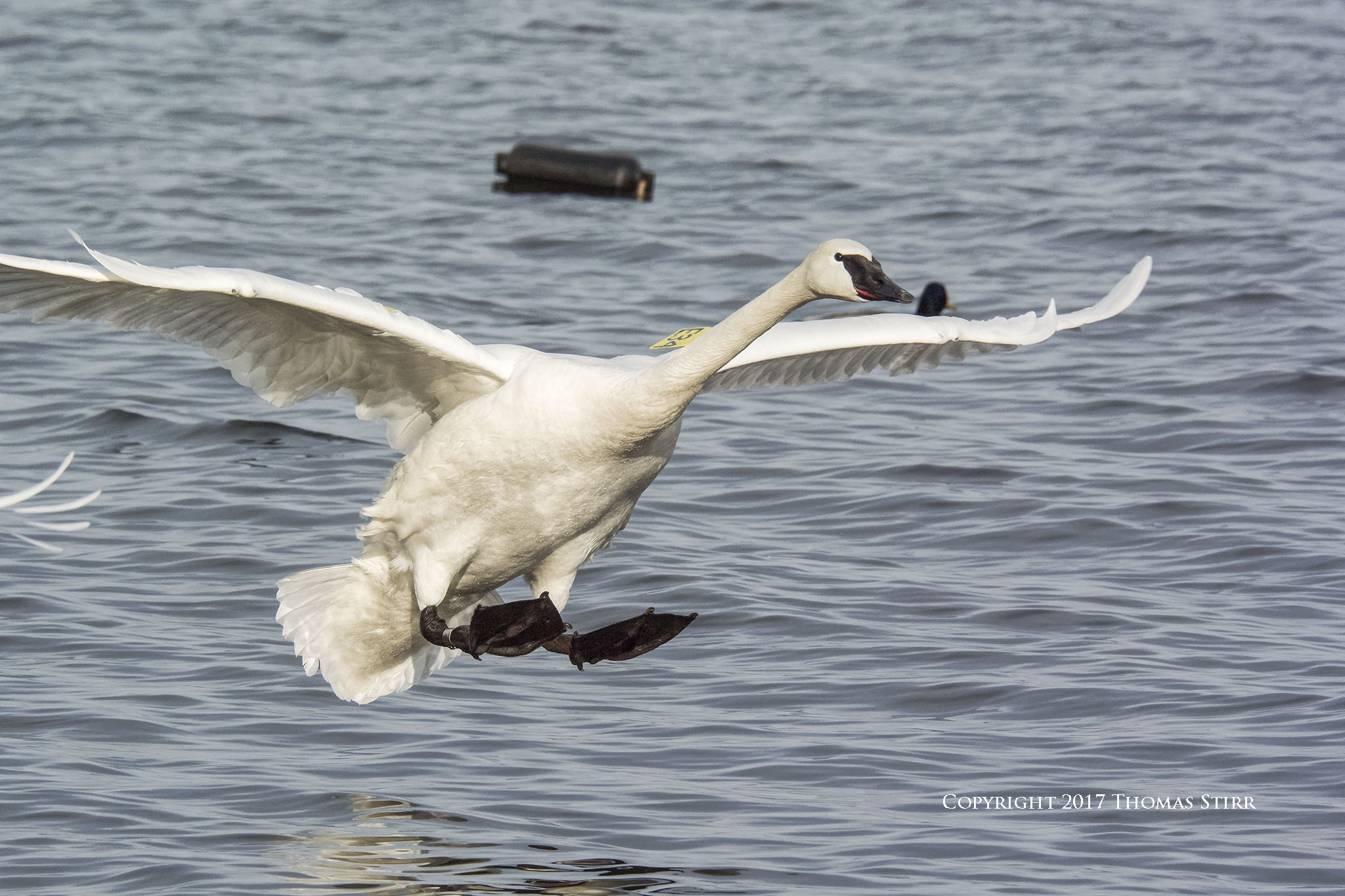
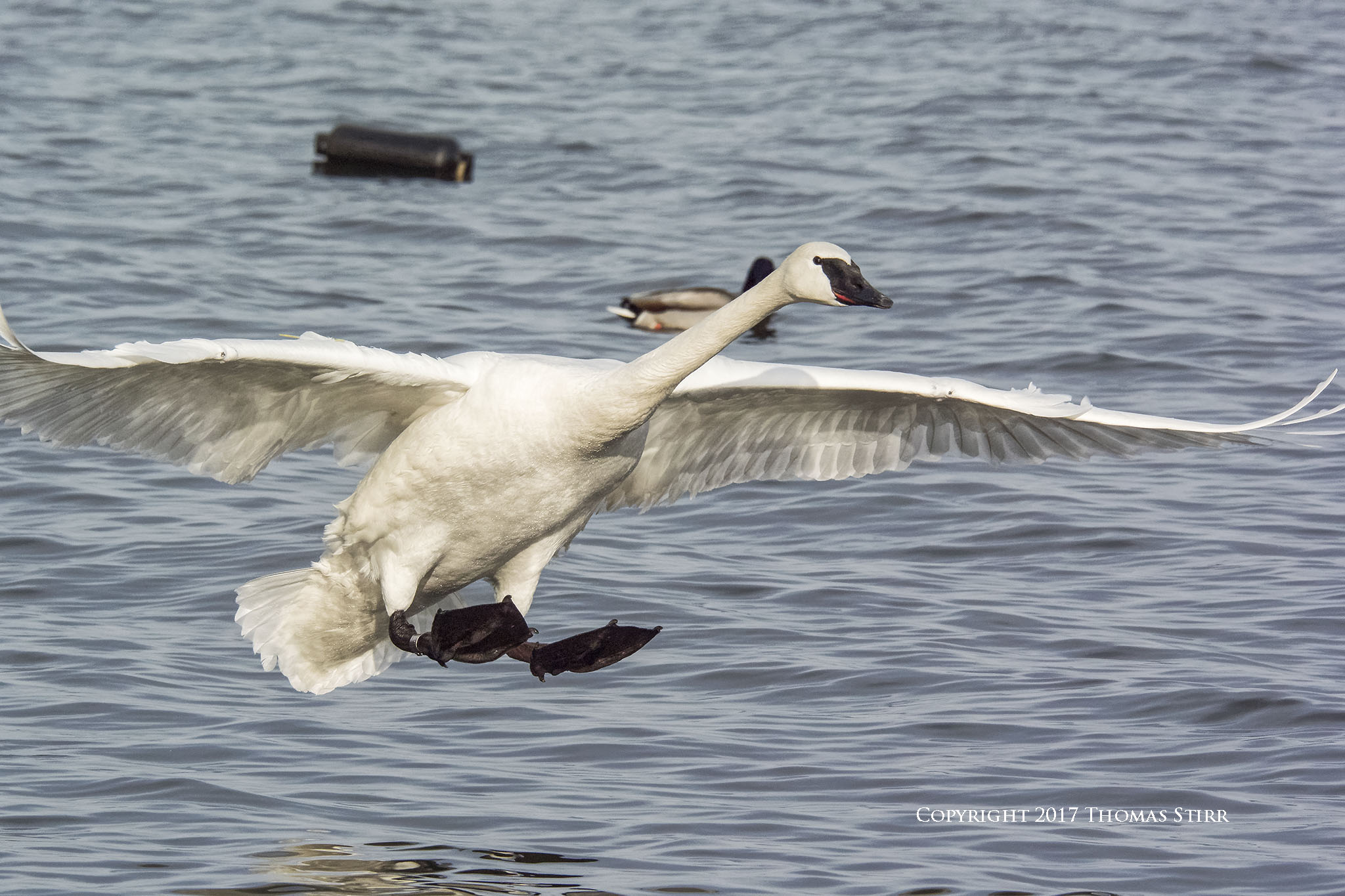
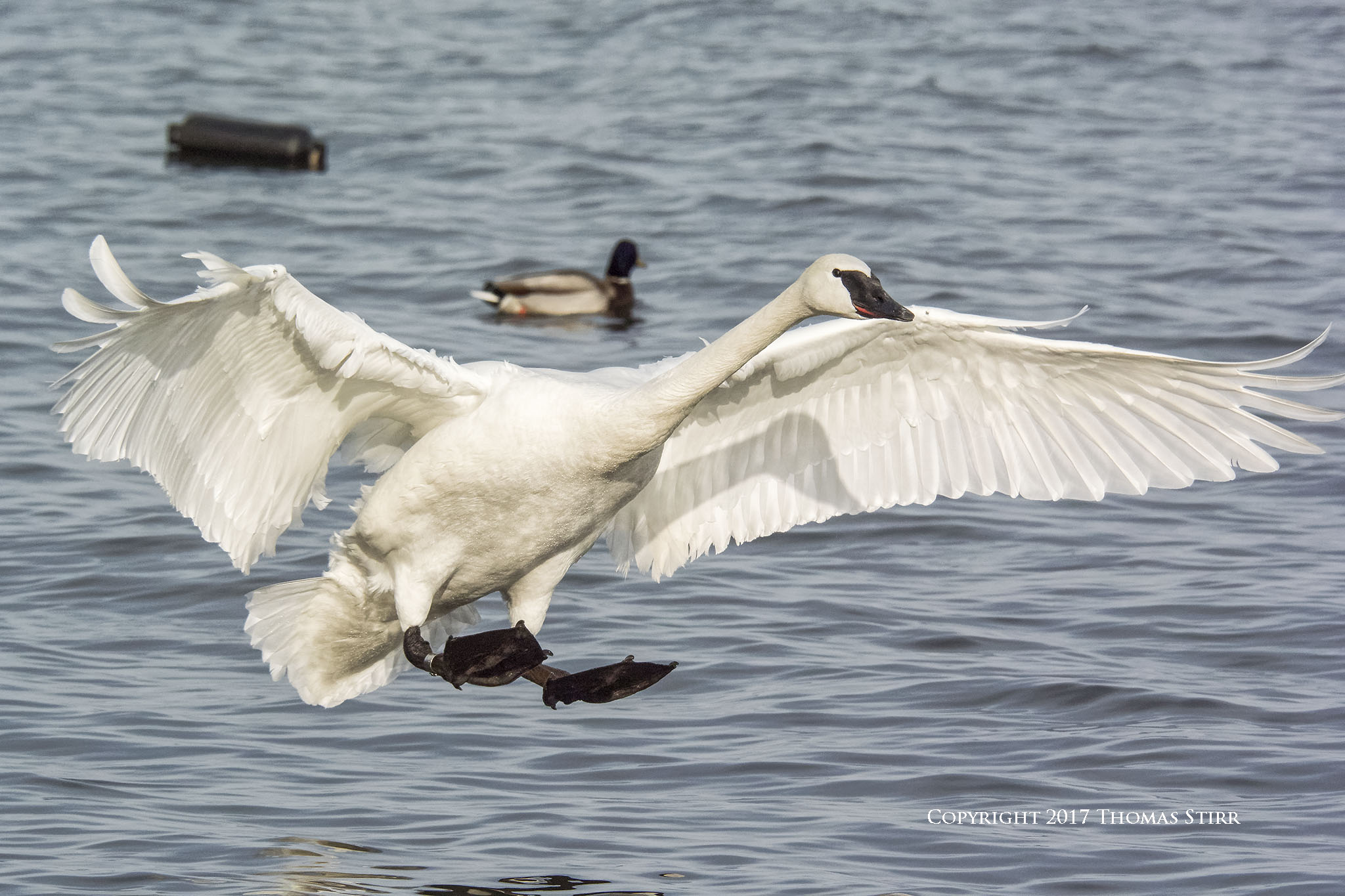
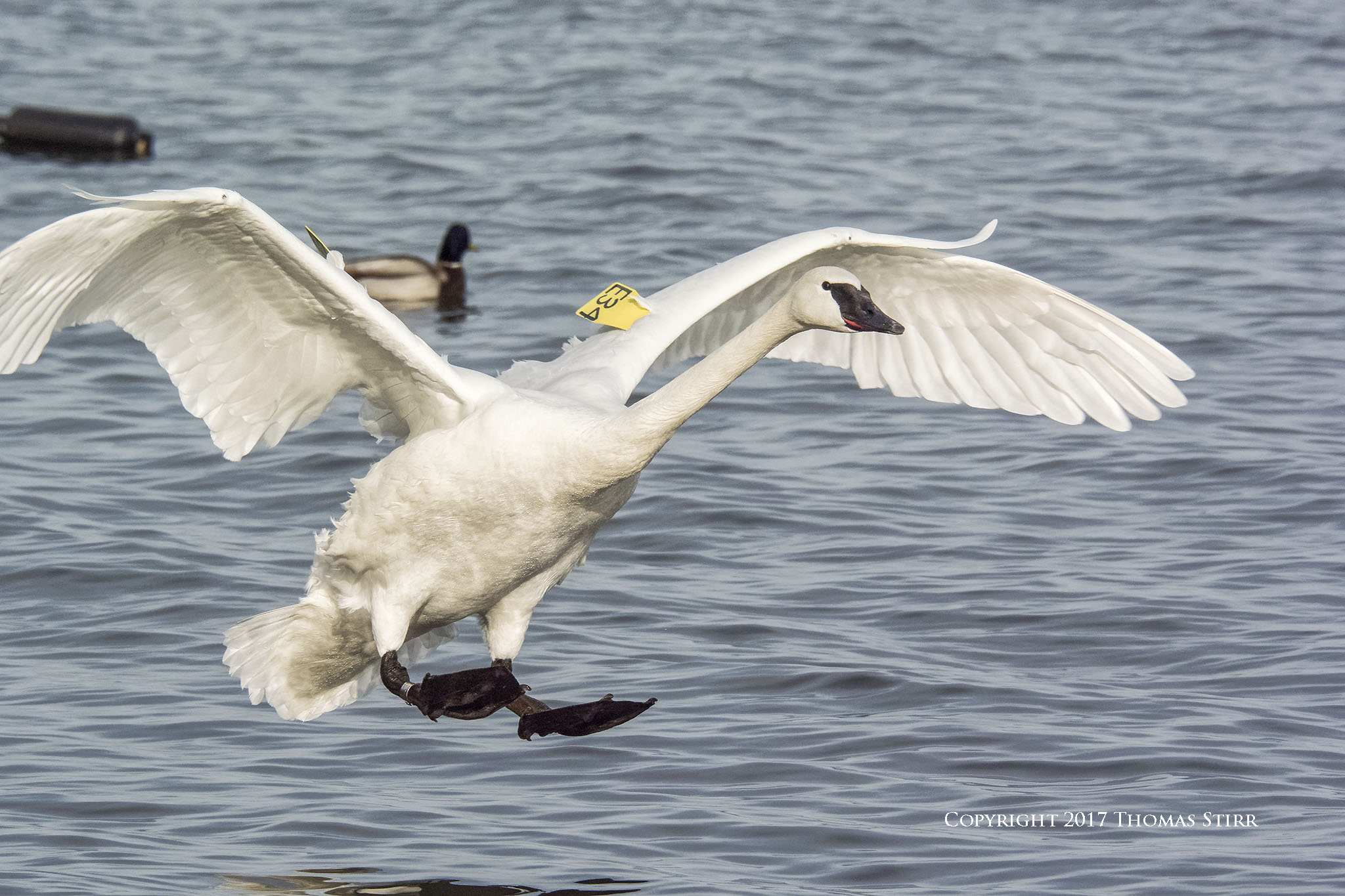
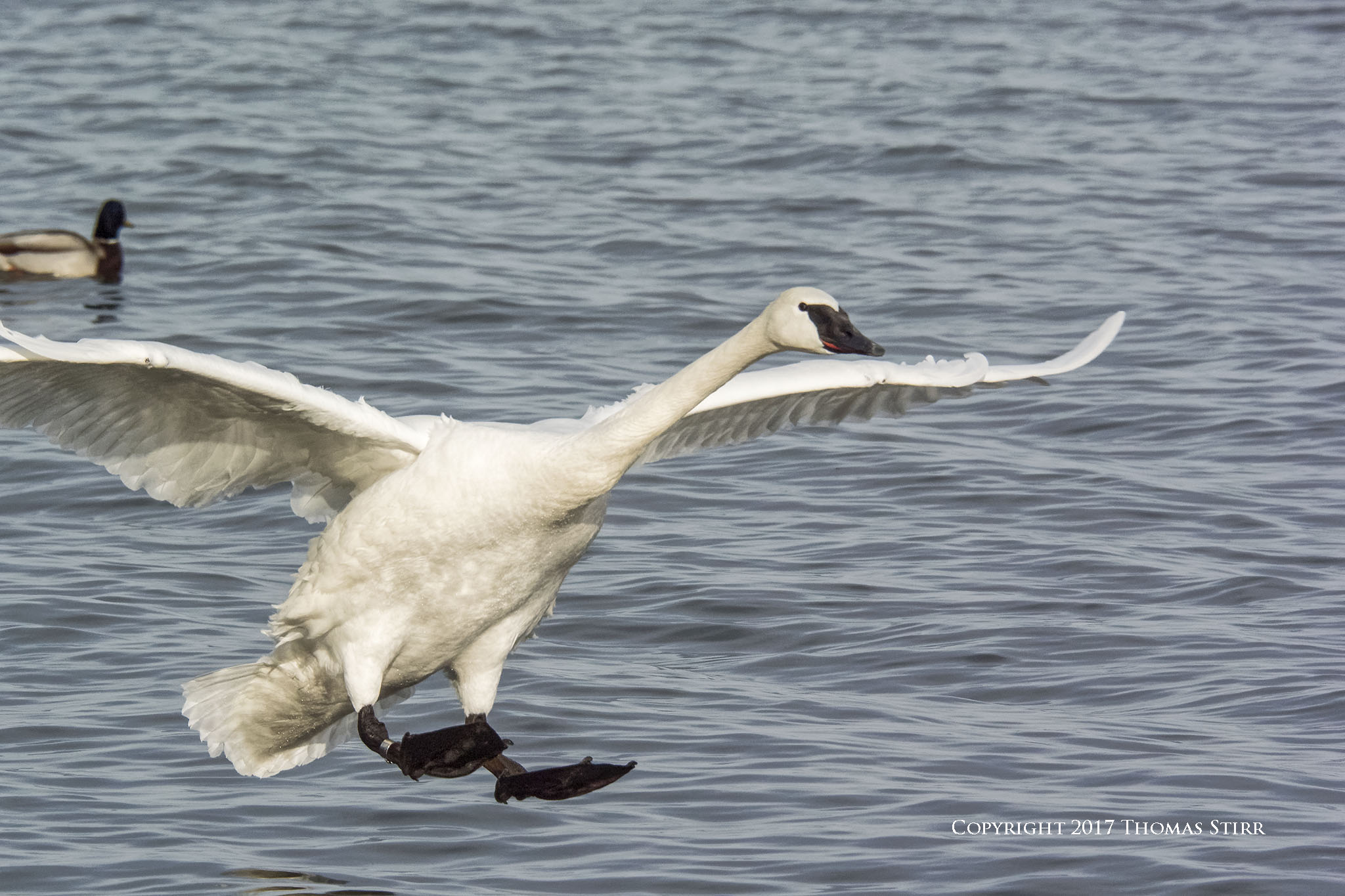
No yellow ID tag visible in the image above. Nice wing position with feet extended. Duck in the upper corner is a bit of an issue but otherwise close to a ‘keeper’.
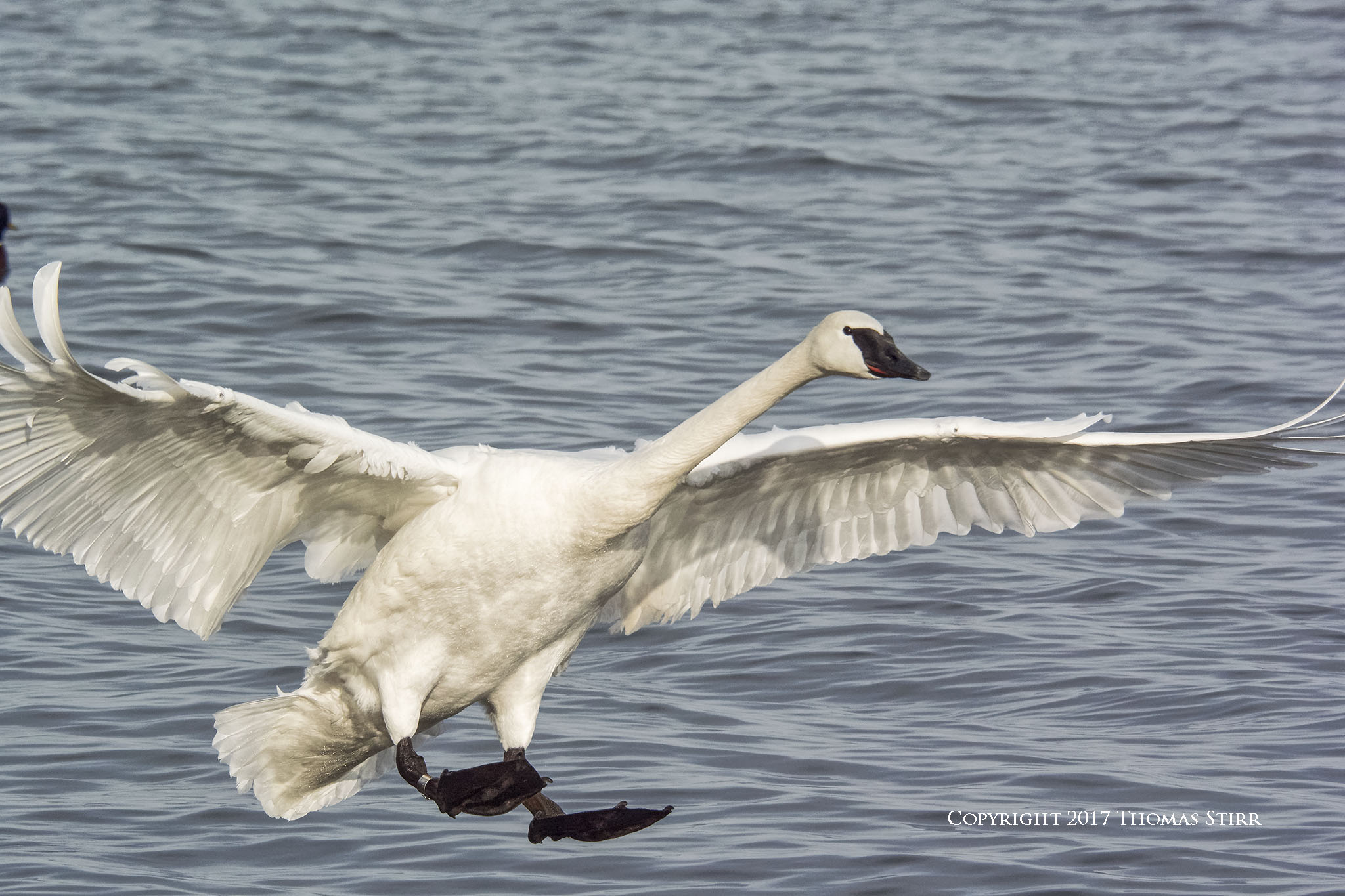
A minor crop or removal of small portion of the duck on the left-hand side and this image would be a keeper for me.
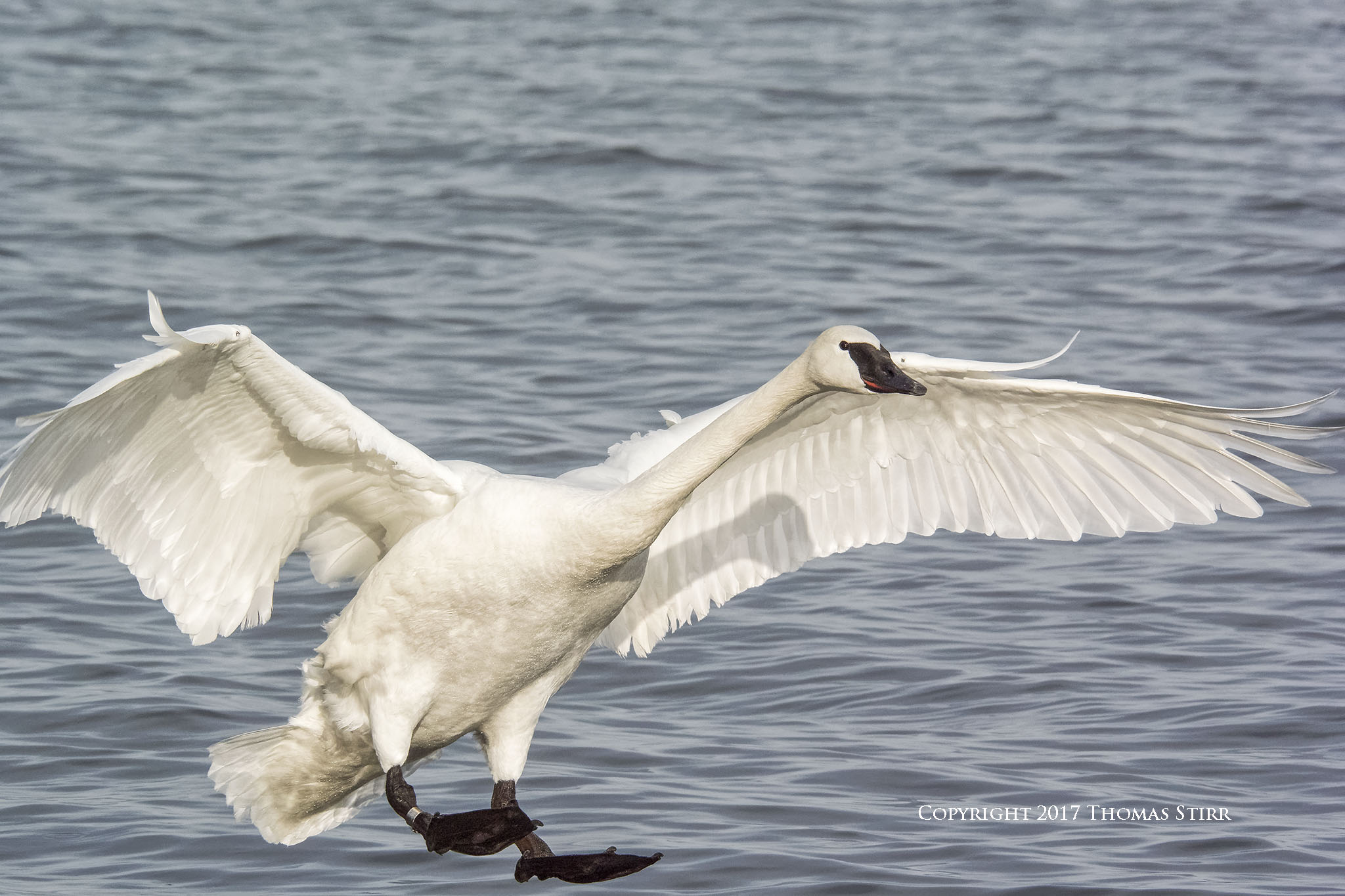
With a tight crop on the top of the photograph, the image above would be a keeper.
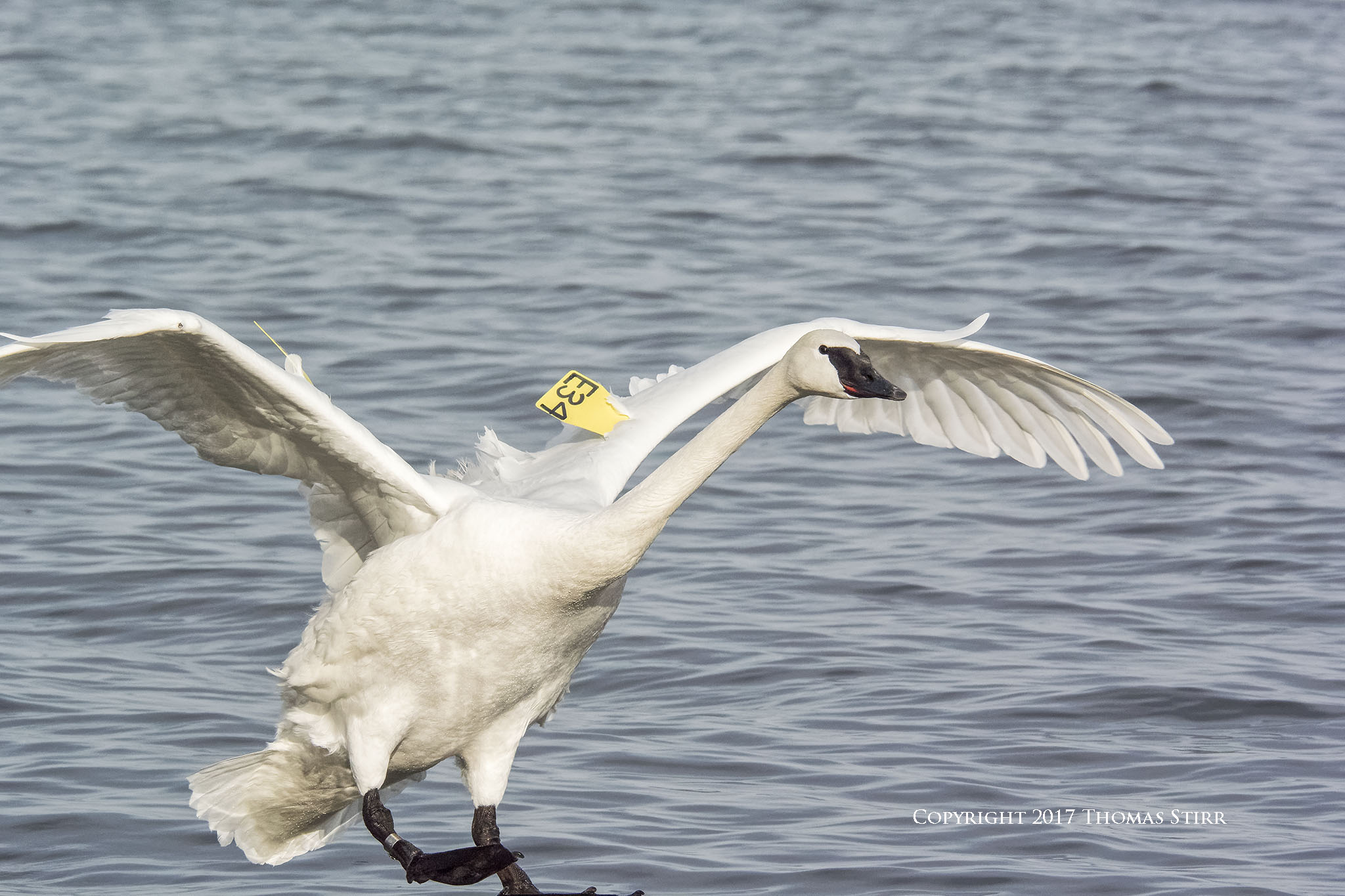
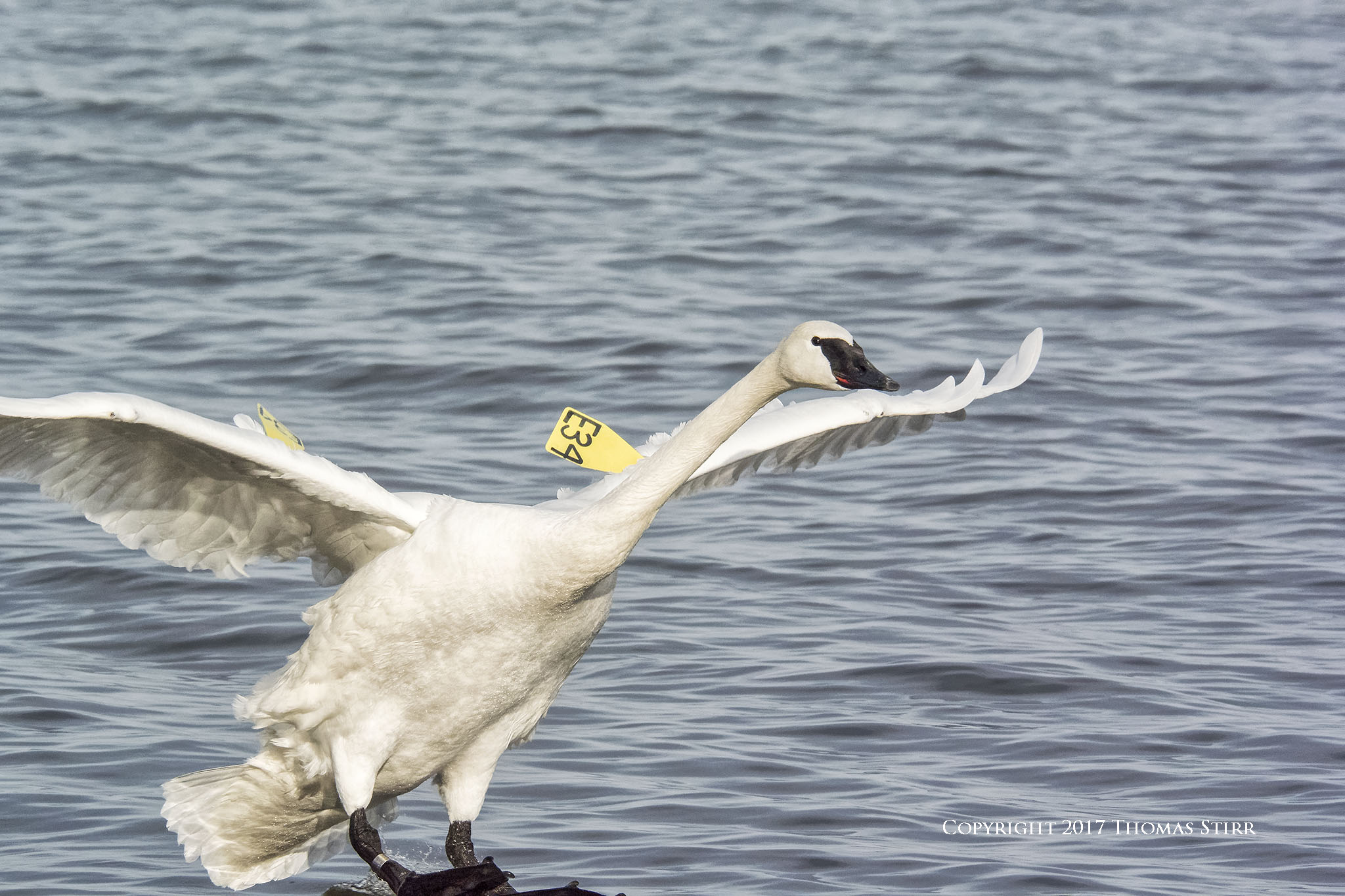
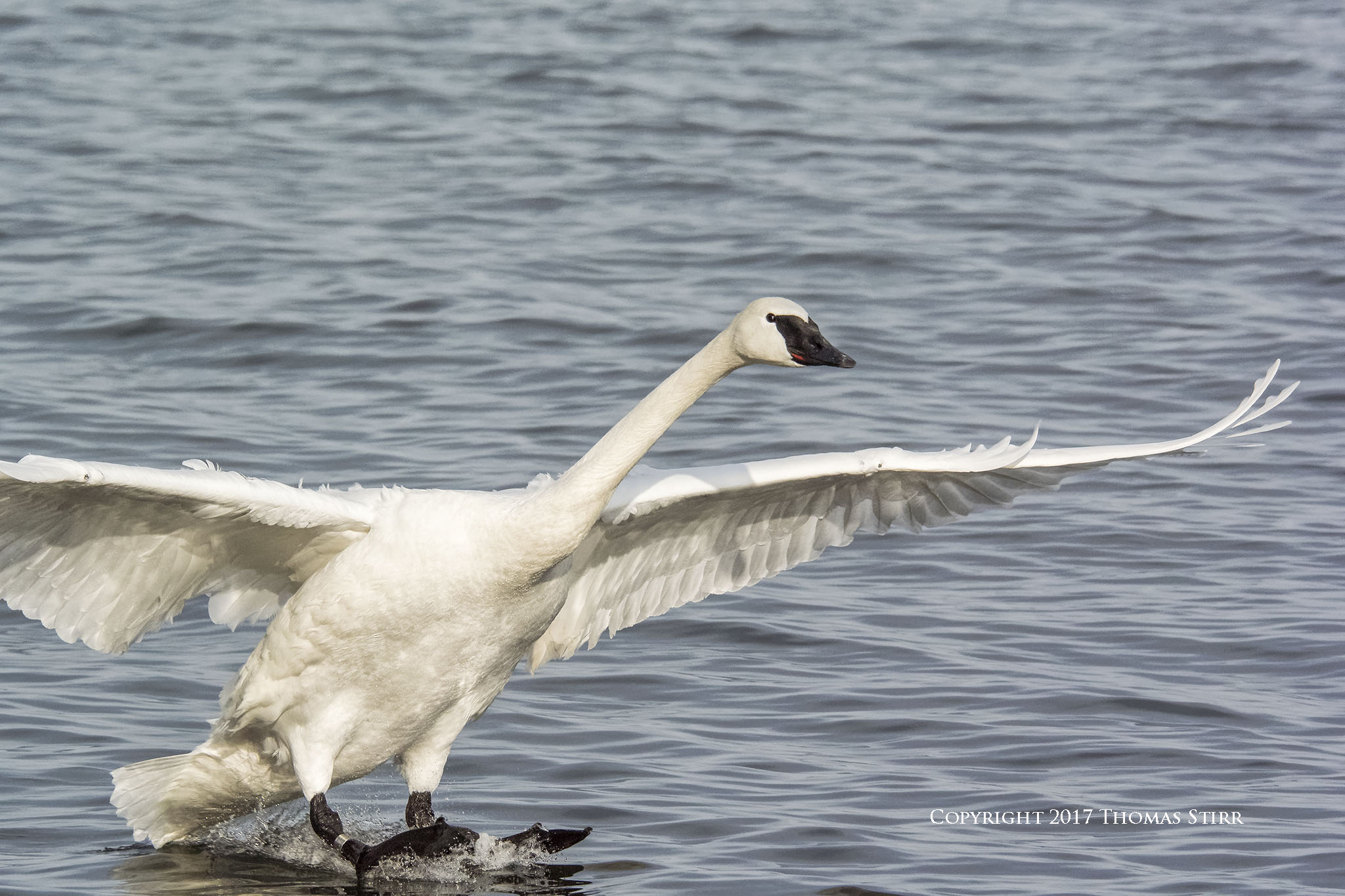
The above image would be another ‘tight crop’ keeper.
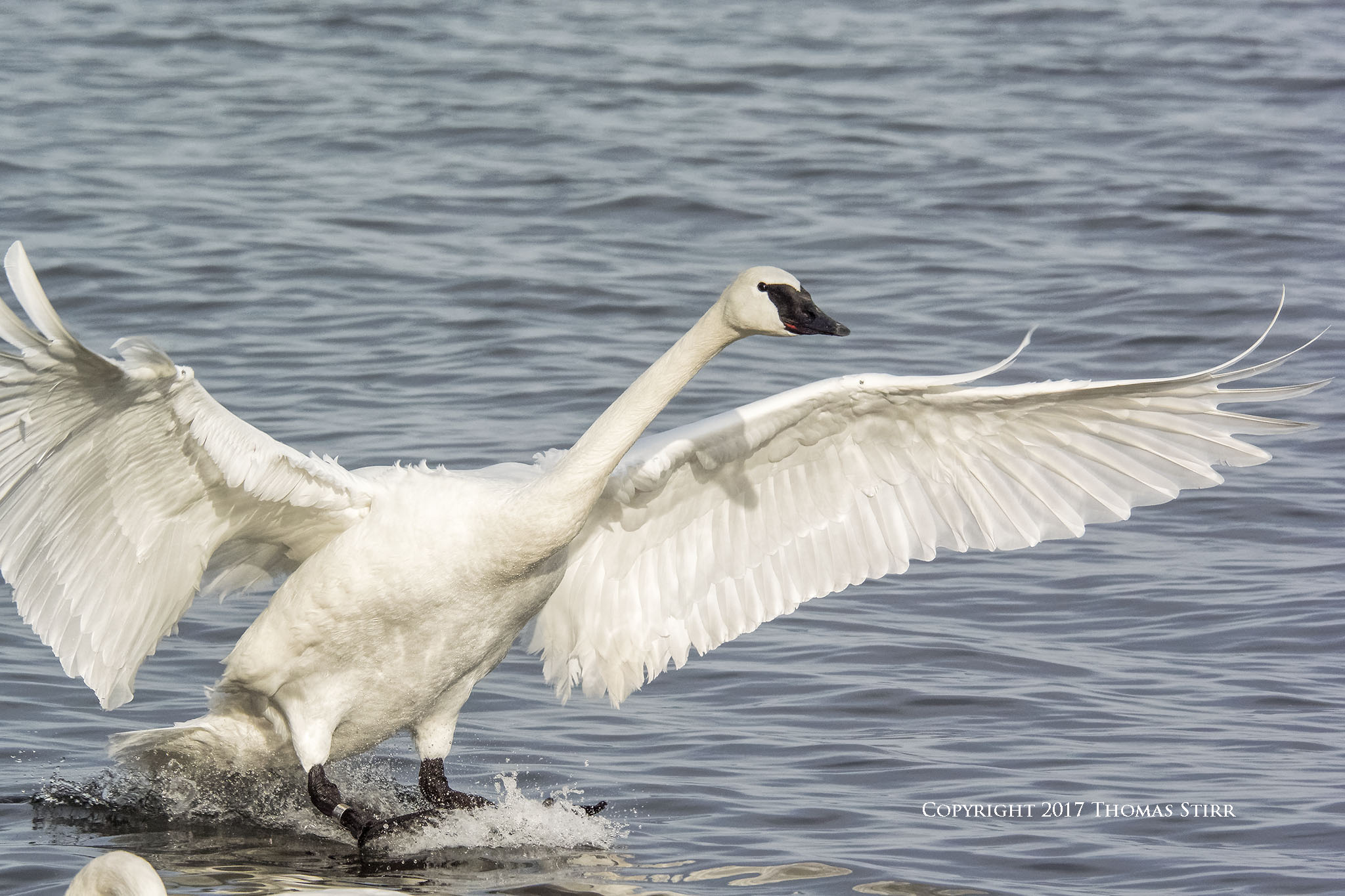
Another keeper above.
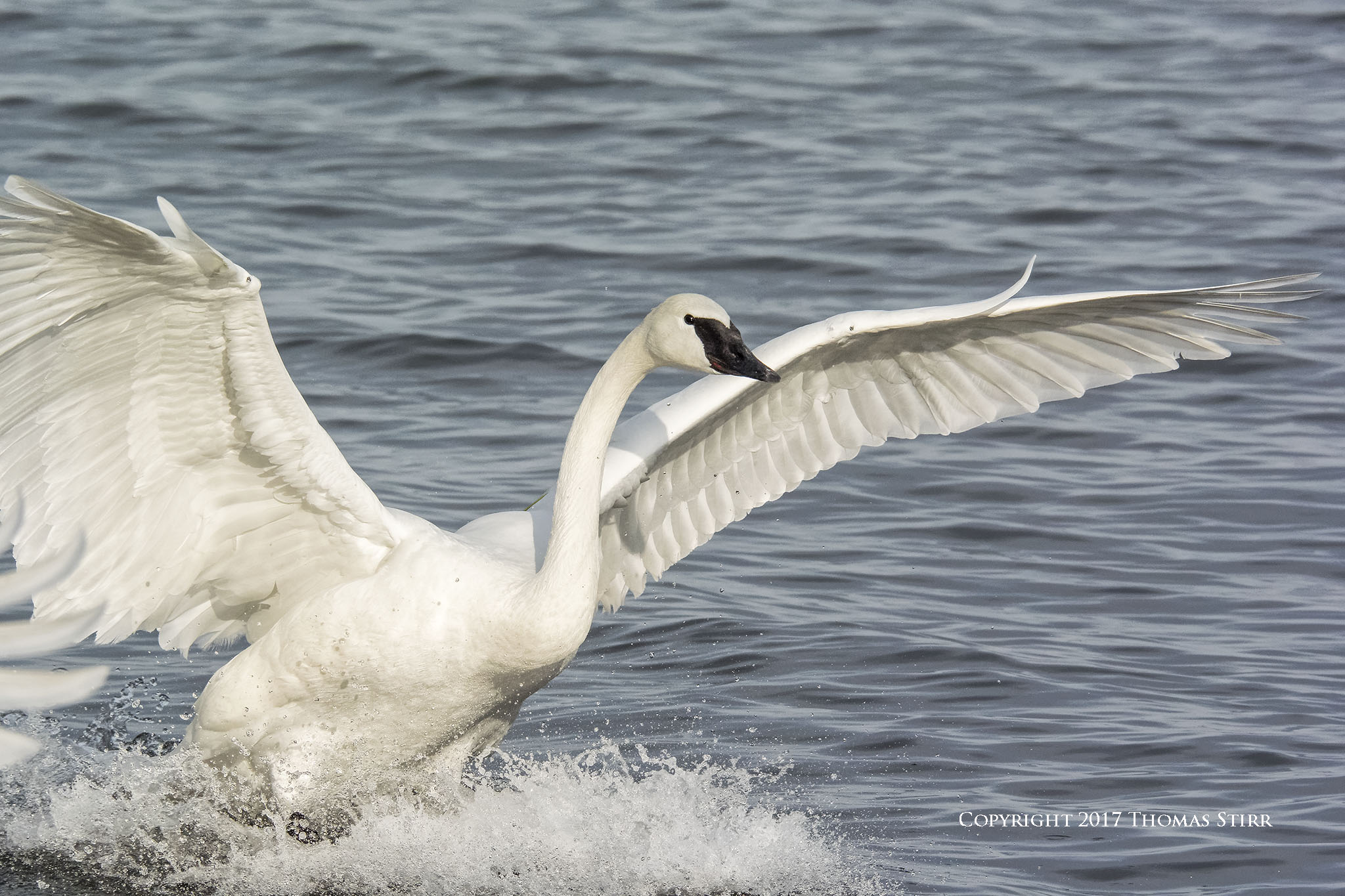
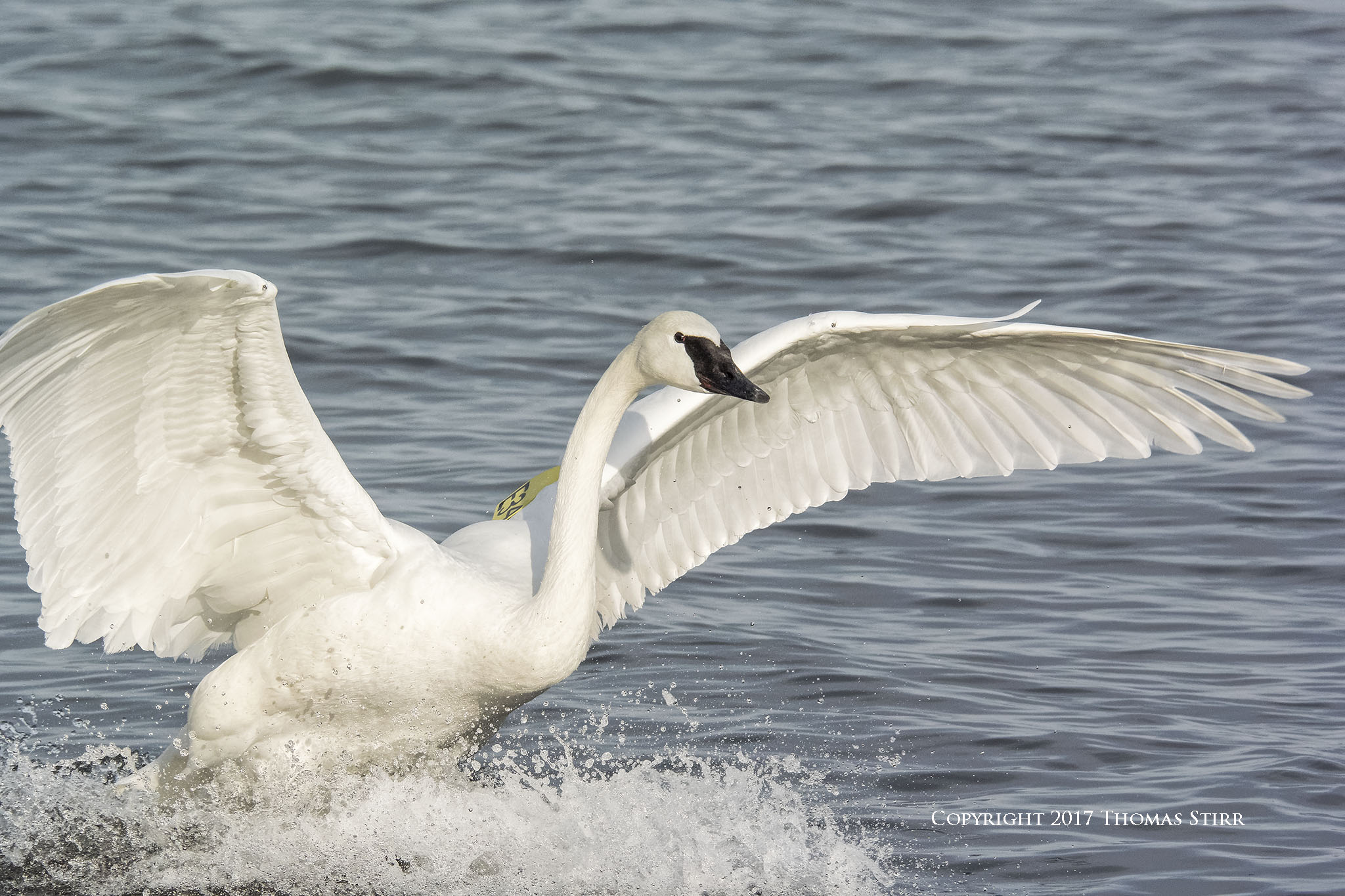
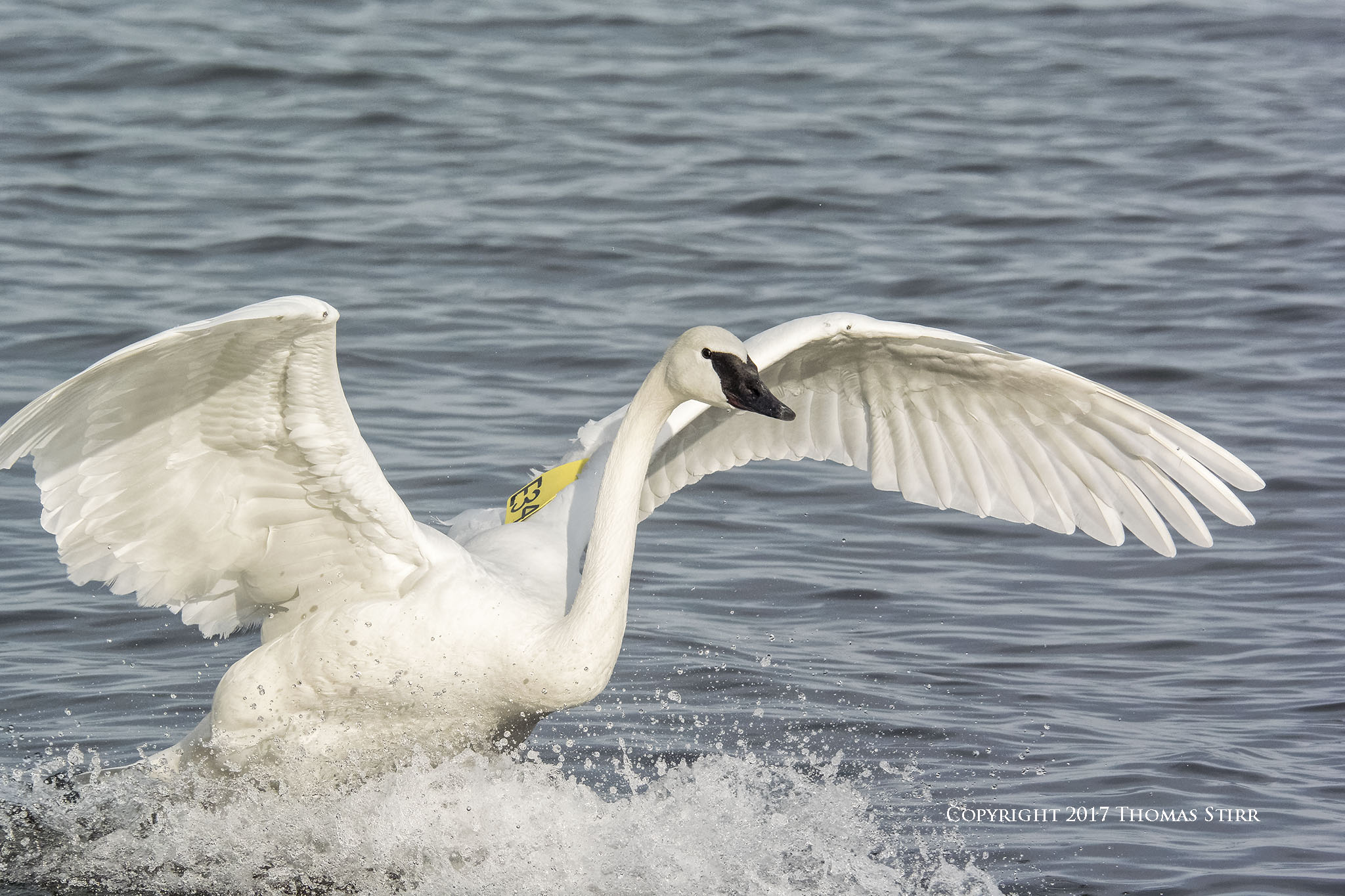
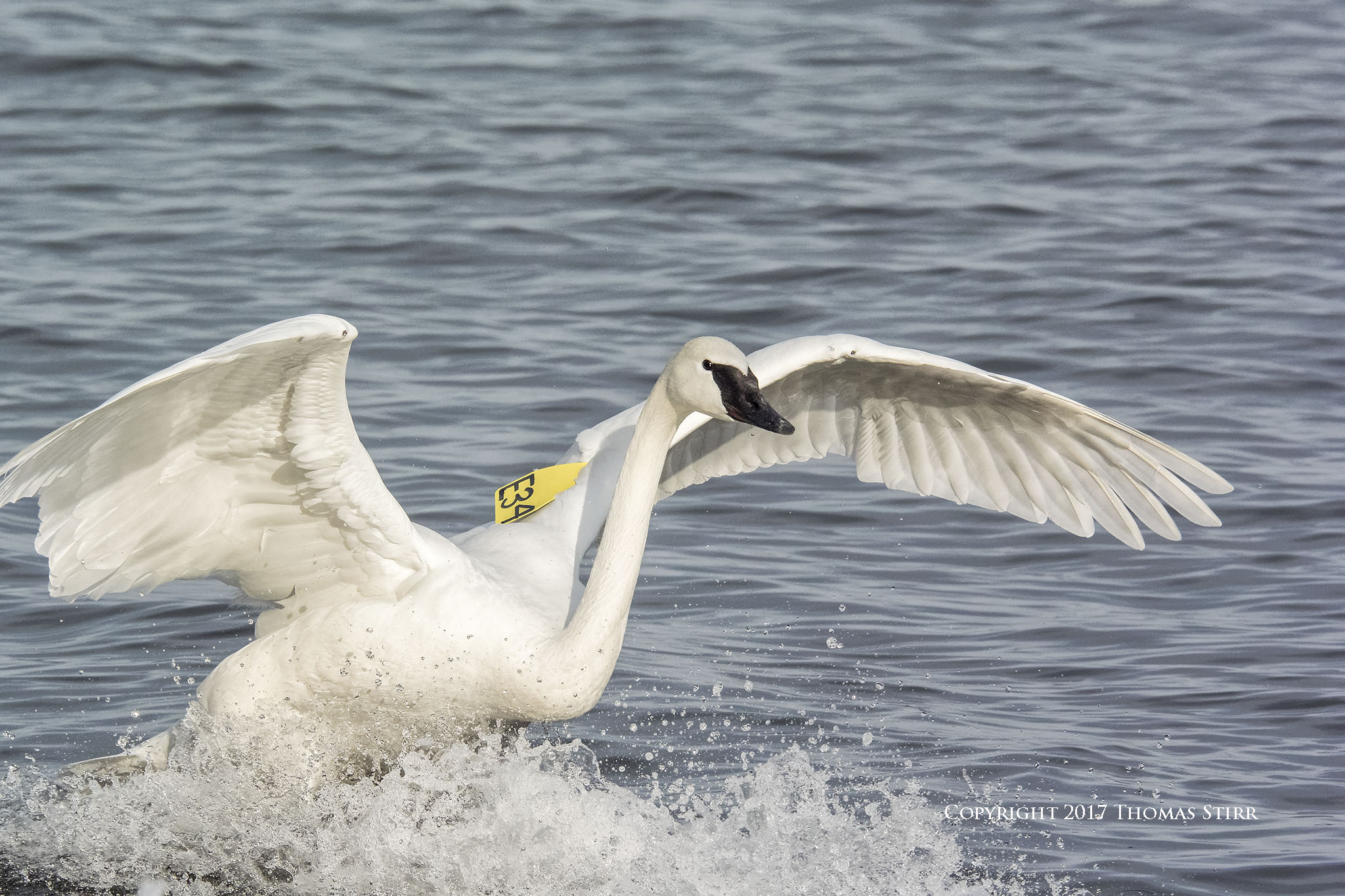
I hope these two Nikon 1 V3 AF-C image runs have been useful for you. Rather than simply talking about the V3’s continuous auto-focus performance I thought showing readers a couple of complete V3 AF-C image runs would be more useful.
If it wouldn’t have been for the yellow ID tags these two AF-C runs would have yielded a decent number of usable images.
I was shooting at both 10 fps and 20 fps in AF-C with subject tracking to get these test images for this article. Since I alternated back and forth sporadically I didn’t keep that of which run was at a particular AF-C frame rate. This last run of 40 images took either 2 seconds or 4 seconds to capture with my Nikon 1 V3 – be kind – I’m old with a porous brain!
Technical Note:
All images were captured hand-held in available light using a Nikon 1 V3, 1 Nikon CX 70-300mm f/4.5-5.6 VR zoom len. All images were produced from RAW files using my standard process of DxO OpticsPro 11, CS6 and the Nik Collection. All photographs are presented as captured with no cropping done to any of the images.
Article and all images Copyright 2017 Thomas Stirr. All rights reserved. No use, duplication or adaptation of any kind is allowed without written consent. If you see this article reproduced anywhere else it is an unauthorized and illegal use. Posting comments on offending web sites and calling out individuals who steal intellectual property is always appreciated!
Hi Thomas,
Lovely pics! I have been following your posts for a couple of years now and I am always impressed with your compositions. I finally decided to get the Nikon 1 CX 70-300 for my V3 camera. So far, I really love using it — so light with no need for a tripod. I do have a question about the switch on the lens “FULL ” “LIMIT.” What is the purpose of that switch? Thanks again for all the posts!
Kathleen
Hi Kathleen,
Thanks for the positive comment – I’m glad you have been enjoying my photography blog! There is an explanation about the LIMIT and Full settings in the review that I wrote on the lens…see section 3)
https://photographicfreedom.com/nikon-1-cx-70-300mm-vr
Tom
I really like image number 16 too!
Is the head of the swan what the camera is tracking? Thanks!
Hi Joni,
AF-C typically tracks what is in the centre of the frame…in this case the swan’s body.
Tom
Very good test , but no way to get CX 70-300, anywhere, thanks for your helpful artical .
Hi apwang,
The CX 70-300 seems to have been in short supply since it was introduced. It seems that as soon as camera dealers get them they go off the shelf very quickly.
Tom
Now I use Nikon 70-200 G , one focus point at the center only ,next I will try Nikon 340E, Thank you again!
Thanks Tom, I just added the V3 to my arsenal of Nikon 1’s.
Very anxious to get out and try the bird thing.
One question, on the V3 you have the option of setting AE/AF L button as a back focus button, do you use this?
Great photos by-the way.
Hi Jack,
Yes, you are correct that the V3 can be set to use back button focus. I have not used this feature with the V3. No particular reason for that other than I never used this type of function with my DSLRs either. I’m glad you enjoyed the images!
Tom