
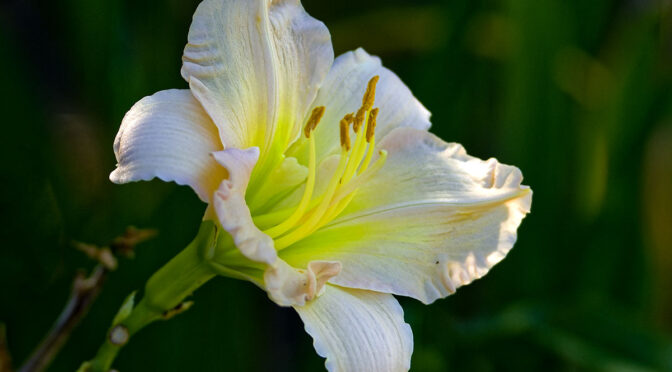
Photographing flowers with the M.Zuiko 150-600 mm f/5-6.3 IS wouldn’t be top-of-mind for the majority of folks who enjoy this image genre. And, I must admit this lens wouldn’t necessarily be my first choice either.
NOTE: Click on images to enlarge. To view this article in a range of languages click on the Canadian flag in the upper right hand corner.
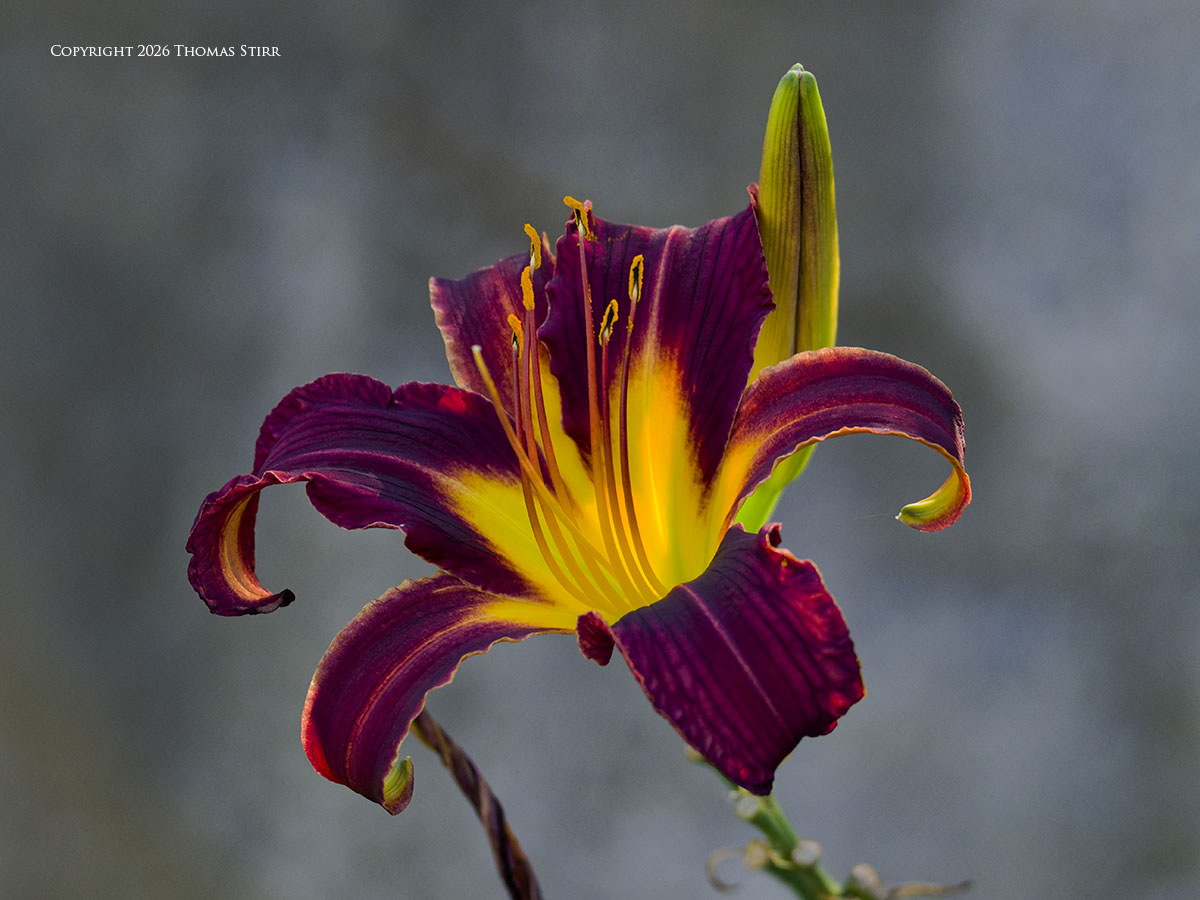
I recently was out doing some bird and dragonfly photography with a friend. As we were walking back to my car at Hendrie Valley we came upon a few flowers that were growing on the ‘wrong side’ of a wire mesh fence.
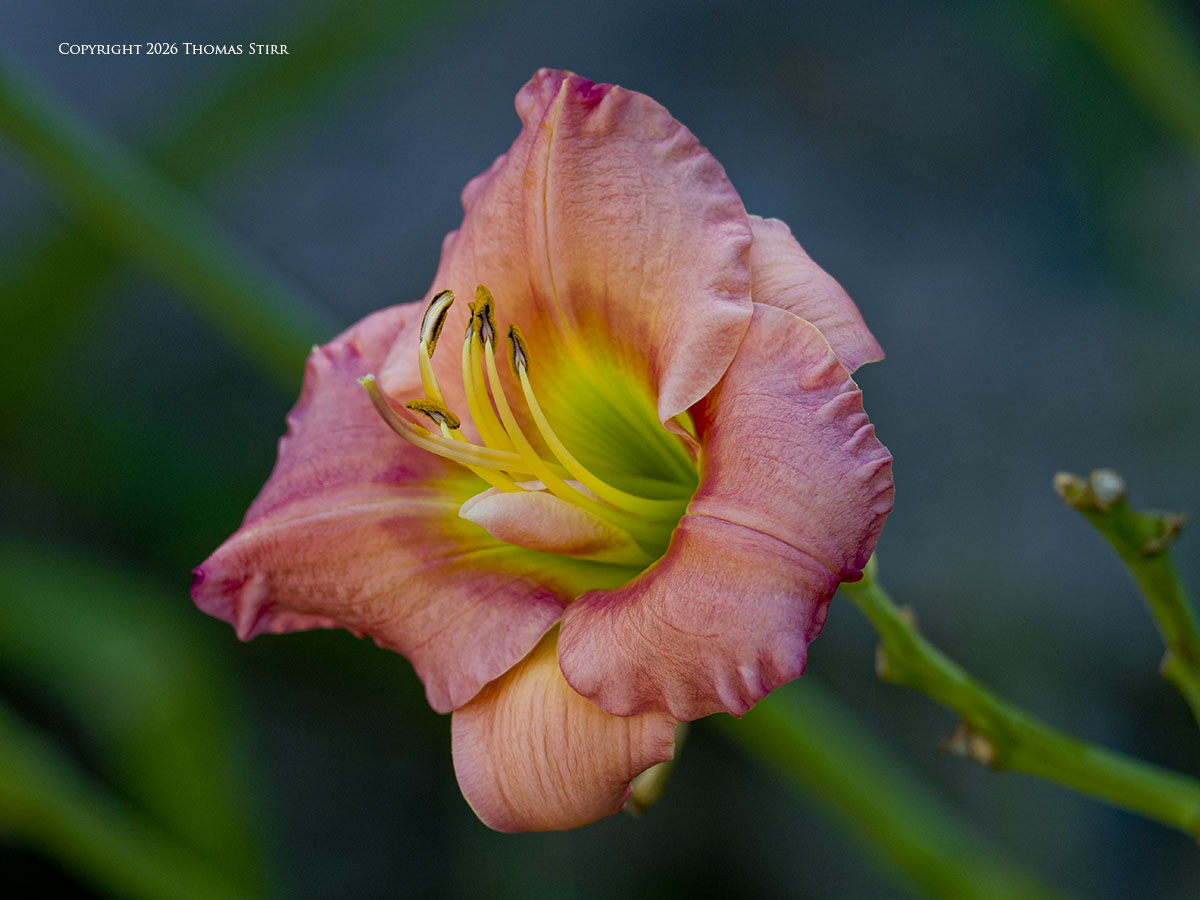
The blossoms were mainly in shade. Since we were walking up a seldom used roadway we had reasonably good access to the blossoms. For some we had almost 180 degree access, which allowed us to ‘work the scene’ with individual blossoms.
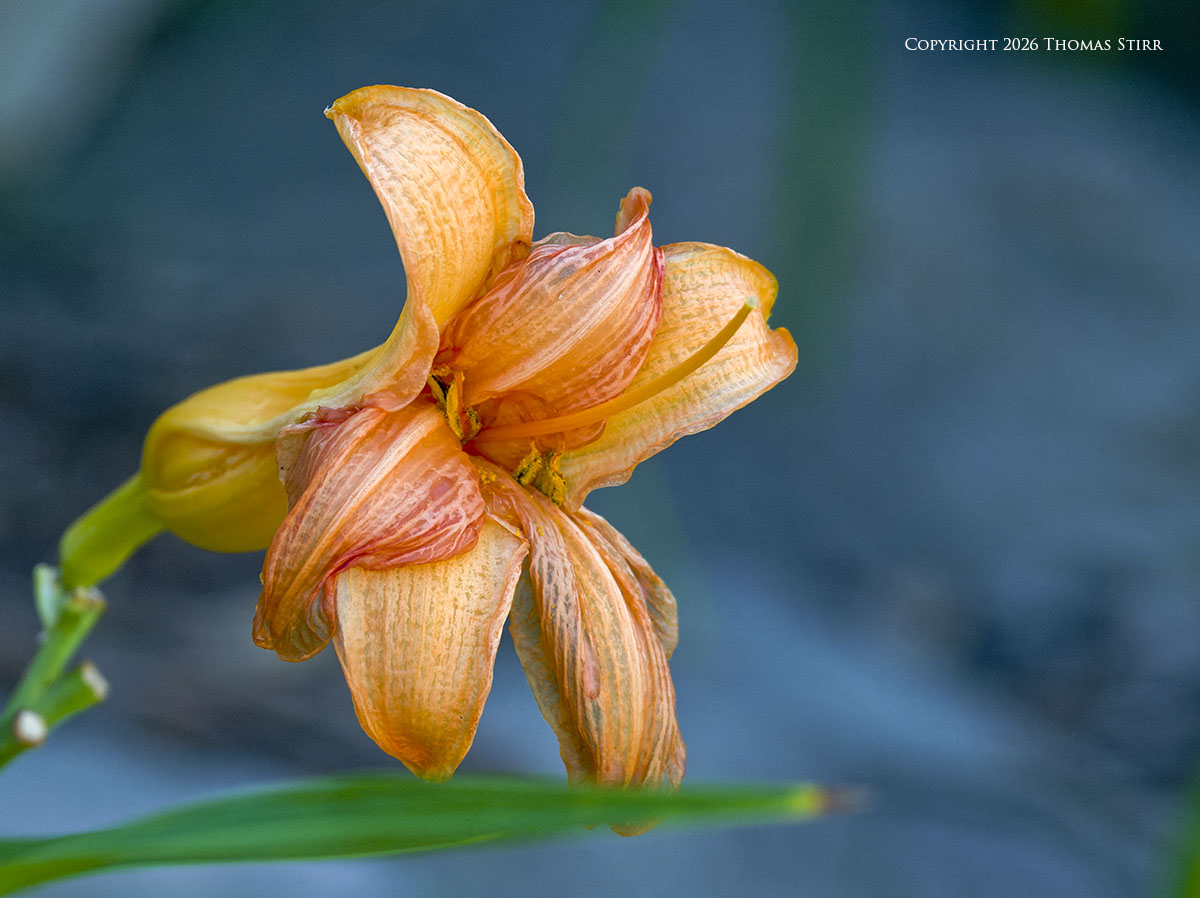
There are specific situations when using a long telephoto lens for flower photography can make a lot of sense. For example, when visiting large, public botanical gardens where we may not be able to get very close to individual blossoms that have piqued our interest.
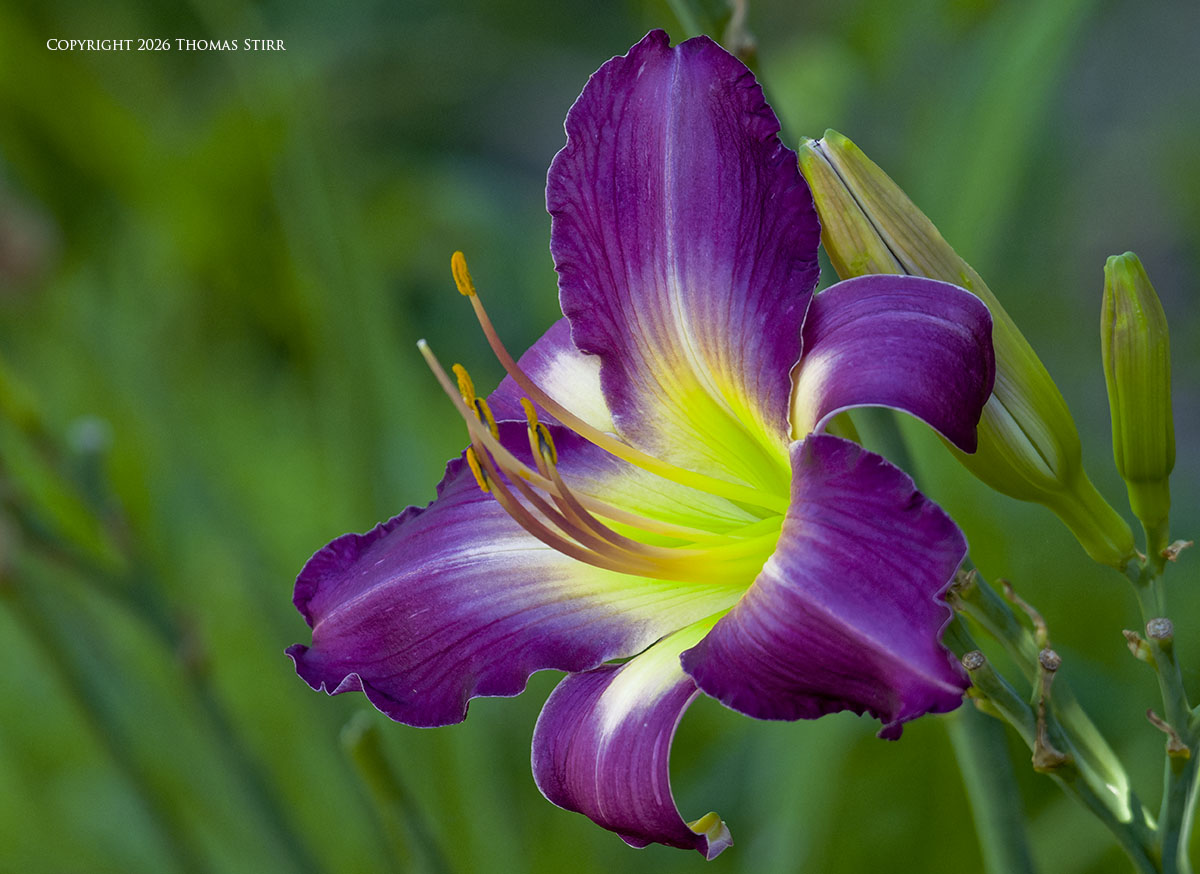
As noted in a number of earlier articles, the sensor sizes in our cameras have no direct impact on depth-of-field. So… even if we are using a camera with a smaller sensor… like M4/3… we can still get good subject separation and shallow depth-of-field.
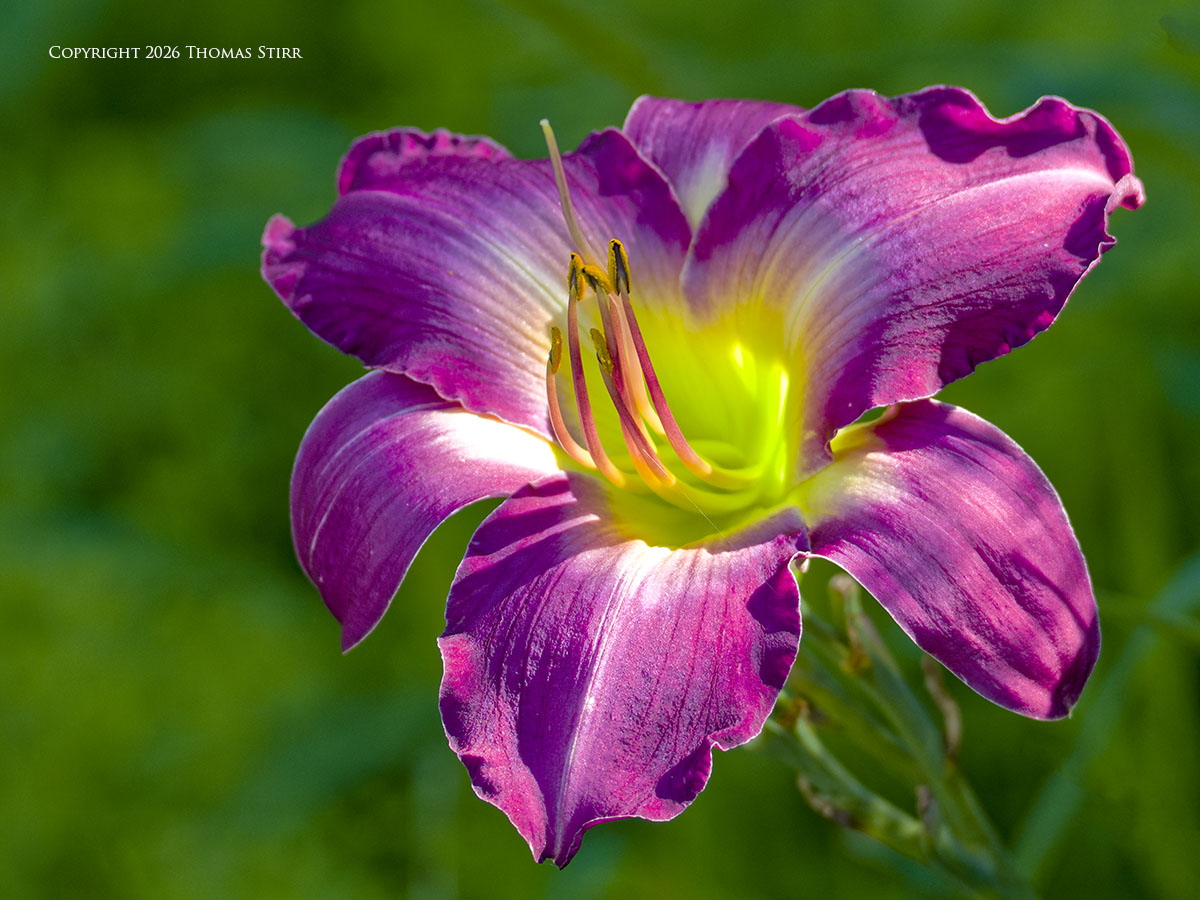
There are four factors that do affect depth-of-field which we need to consider when composing a photograph. These include lens focal length. Aperture. Distance to subject. And, subject distance to background.
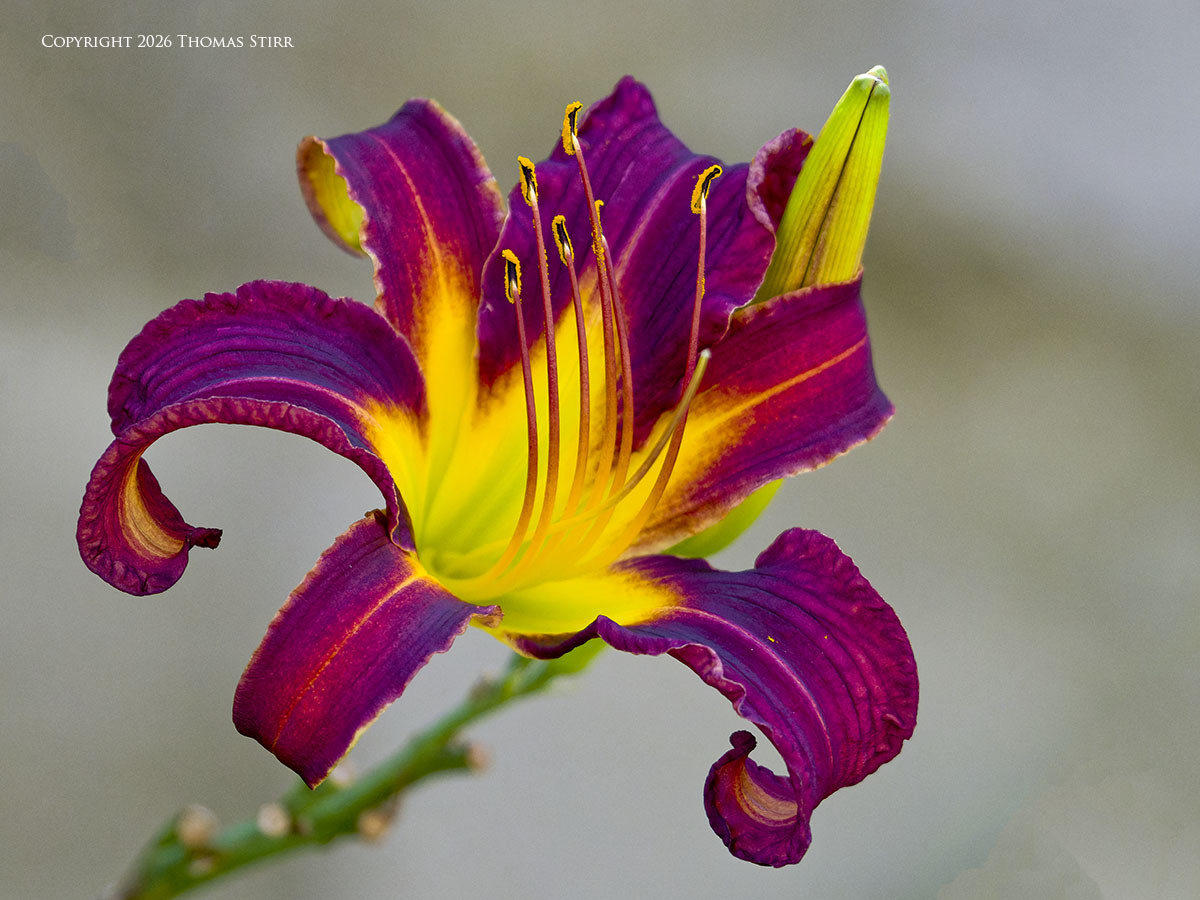
As you examine the images featured in this article you will notice that the maximum aperture used in the photographs was f/5.7. We wouldn’t normally associate this aperture setting with creating an out-of-focus background.
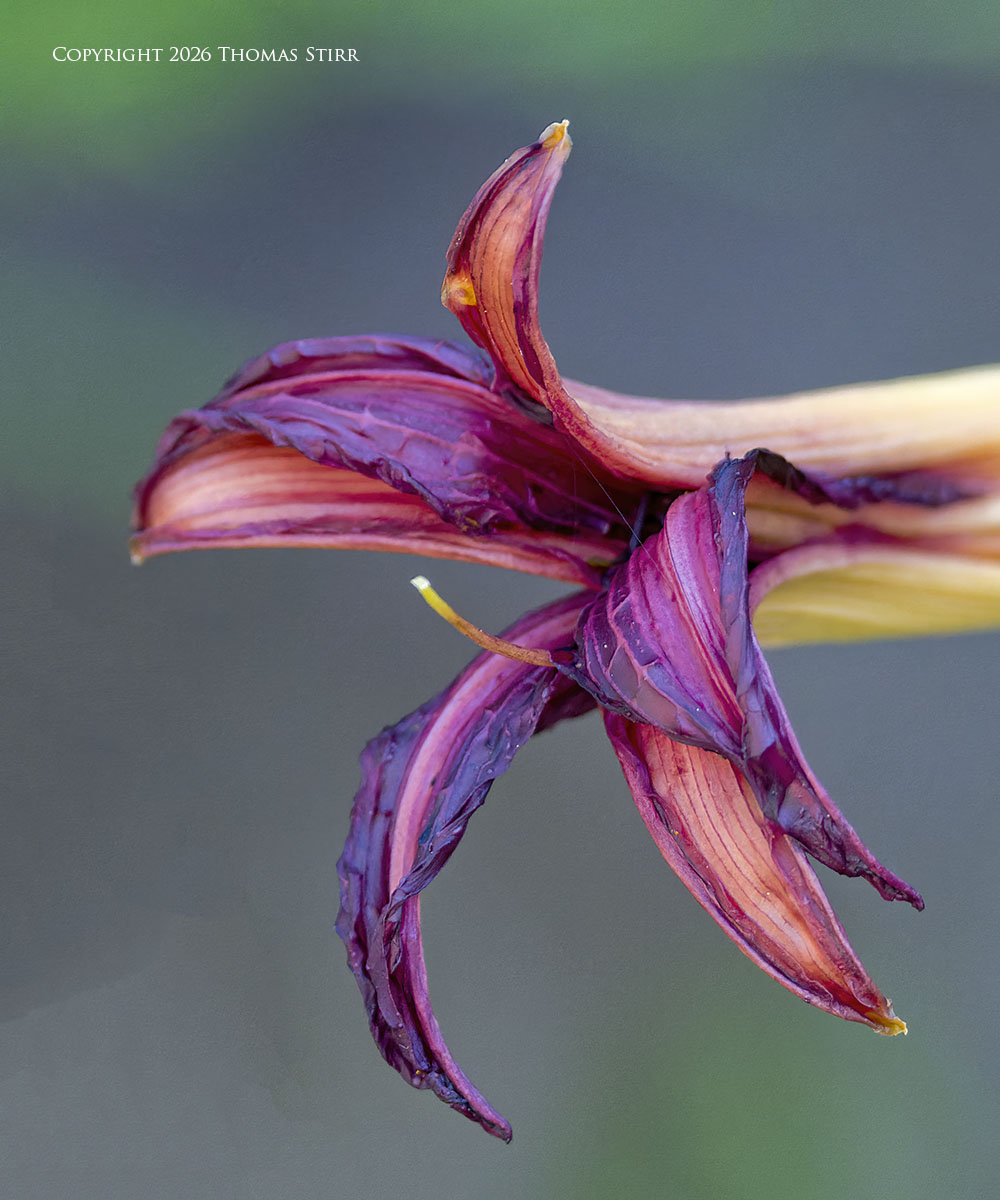
To create shallow depth-of-field I had to rely on lens focal length, distance to subject, and the subject’s distance to the background.
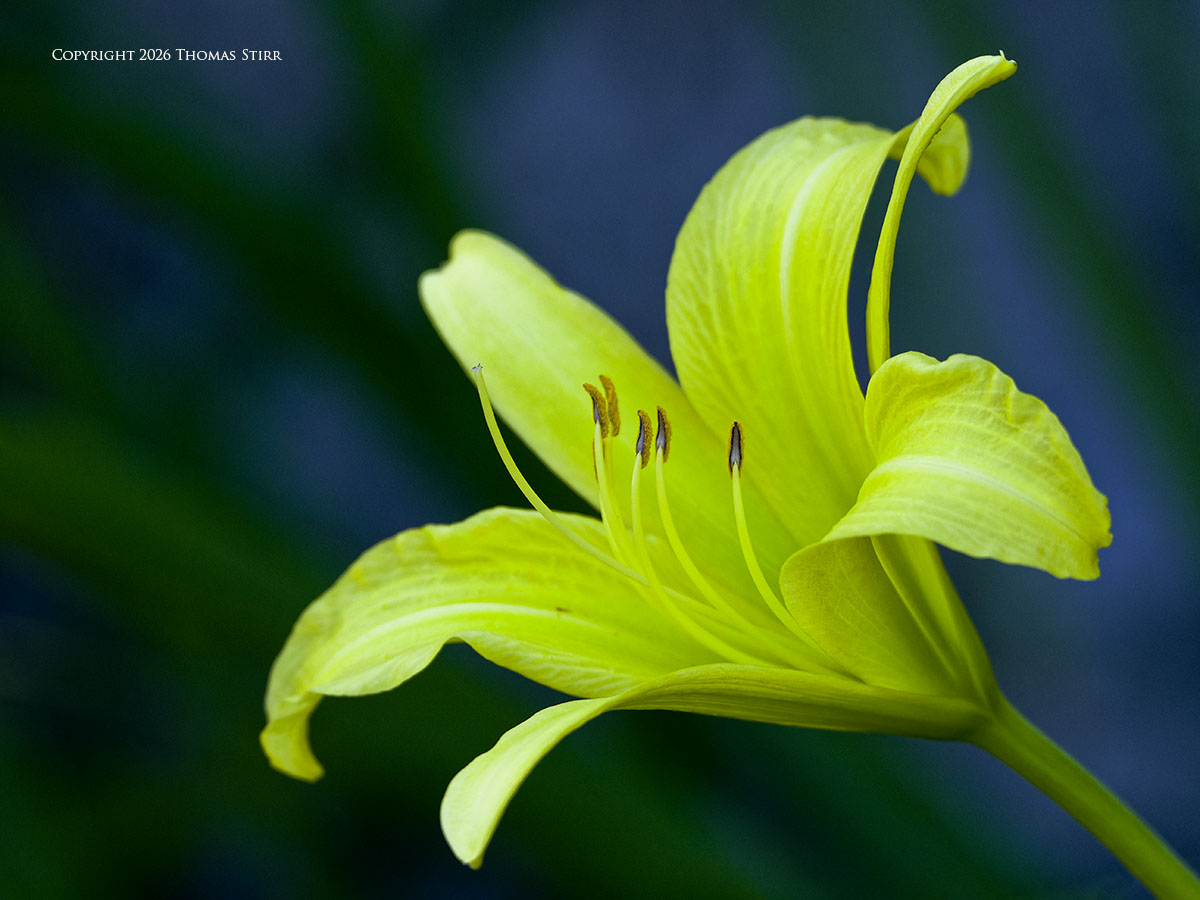
We know that the longer the lens focal length used is, the shallower the depth-of-field will be. We also know that the depth-of-field will be shallower when the background is further away from the subject. And, when we move in closer to a subject, the depth-of-field will become more shallow.
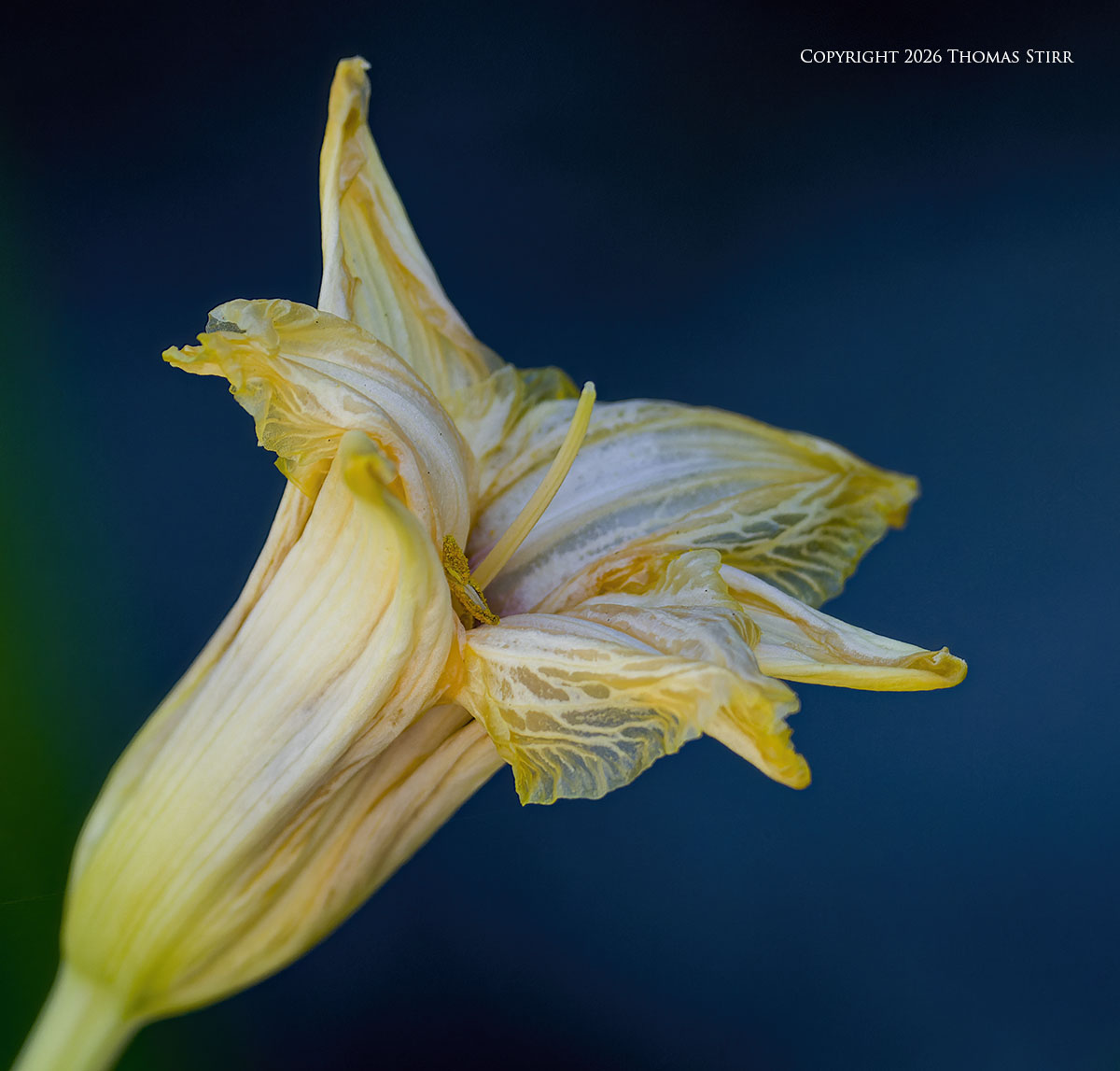
The next time you’re out with your camera and you overhear someone claiming that they needed to buy a full frame sensor camera in order to get shallow depth-of-field… just ignore them. Misinformation and erroneous beliefs about depth-of-field are commonplace.
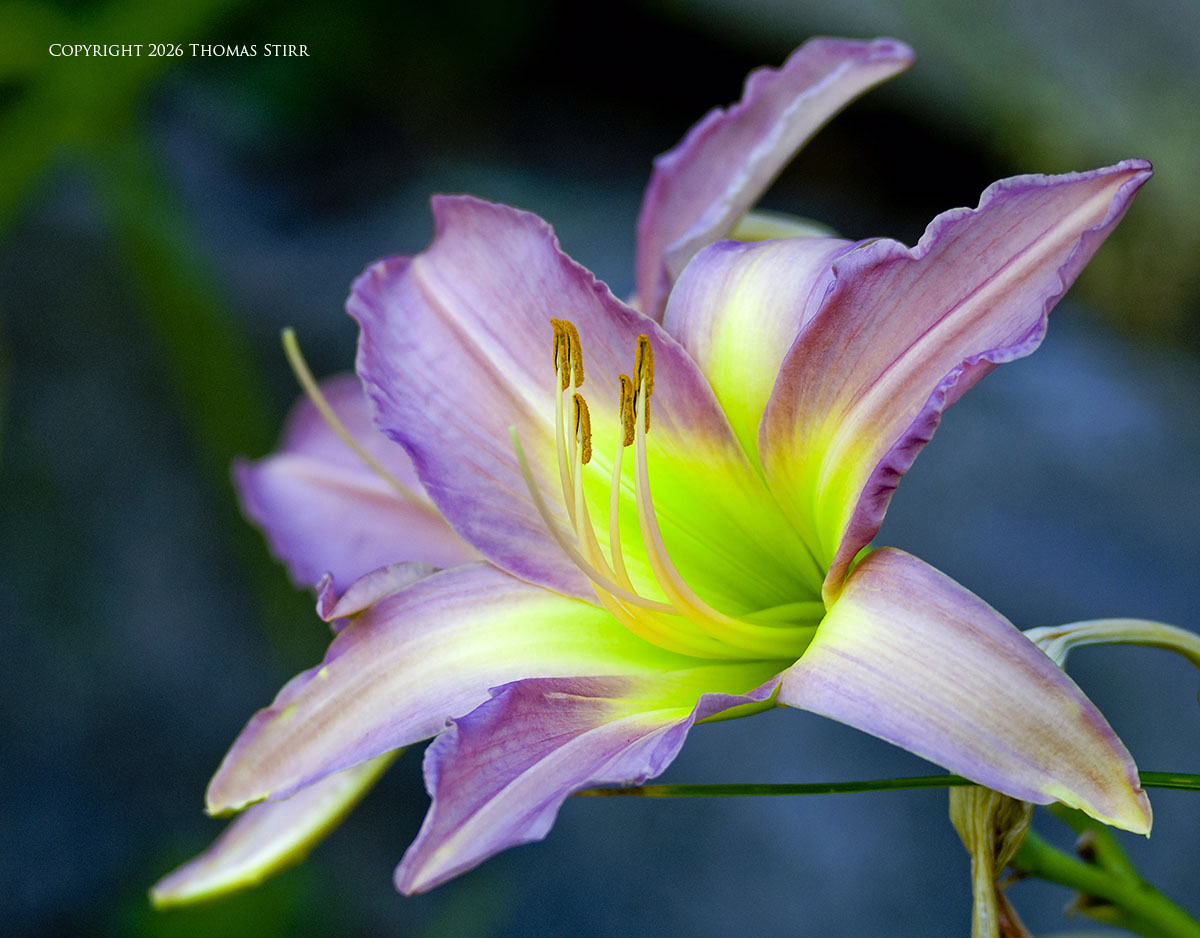
As noted earlier, the M.Zuiko 150-600 mm f/5-6.3 IS zoom lens likely wouldn’t be the first choice for many photographers when doing flower photography.
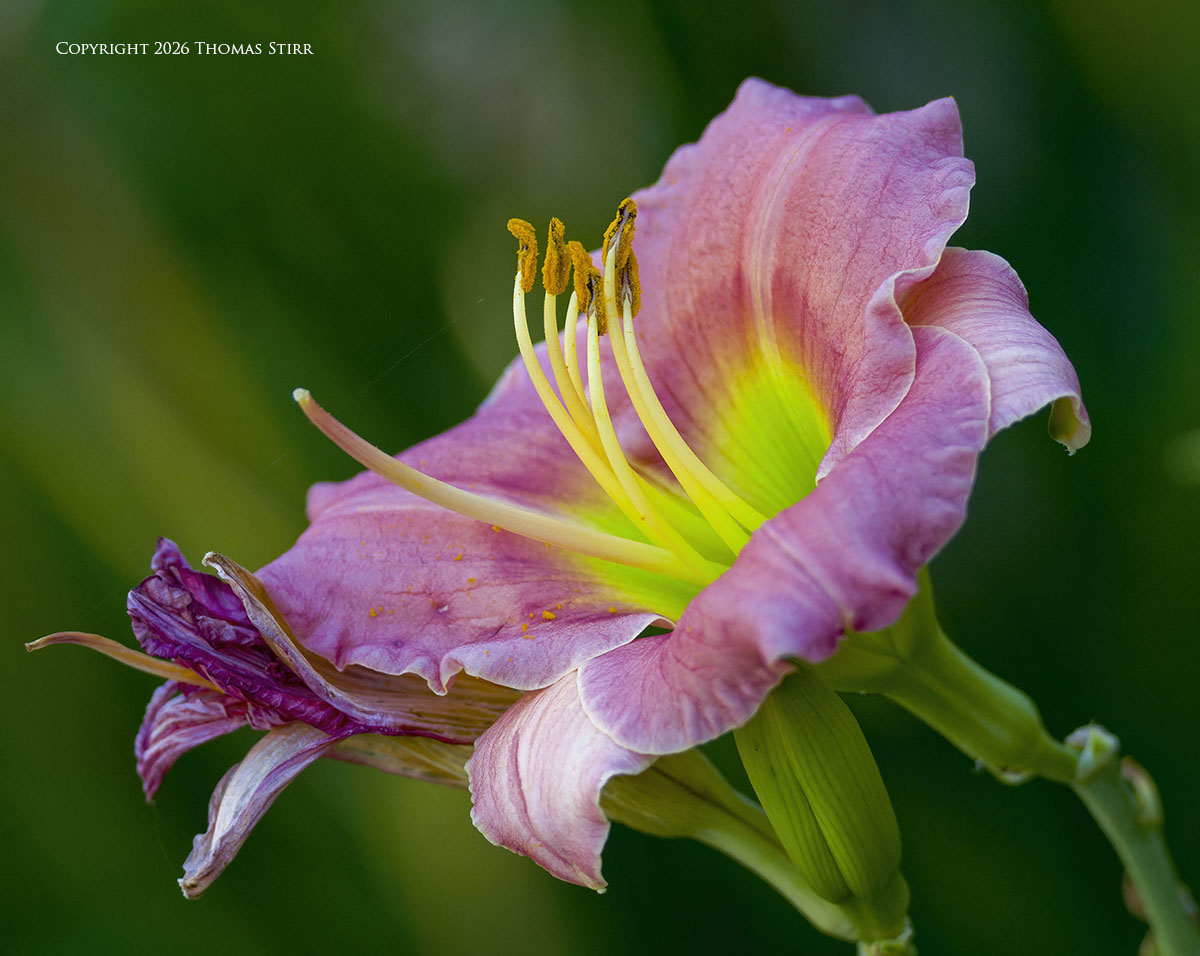
The fact that it does have a minimum focusing distance of only 0.56 metres (~22 inches) on the wide end can come in handy for this photographic genre. The push/pull motion for focal length adjustment allows for quick compositions.
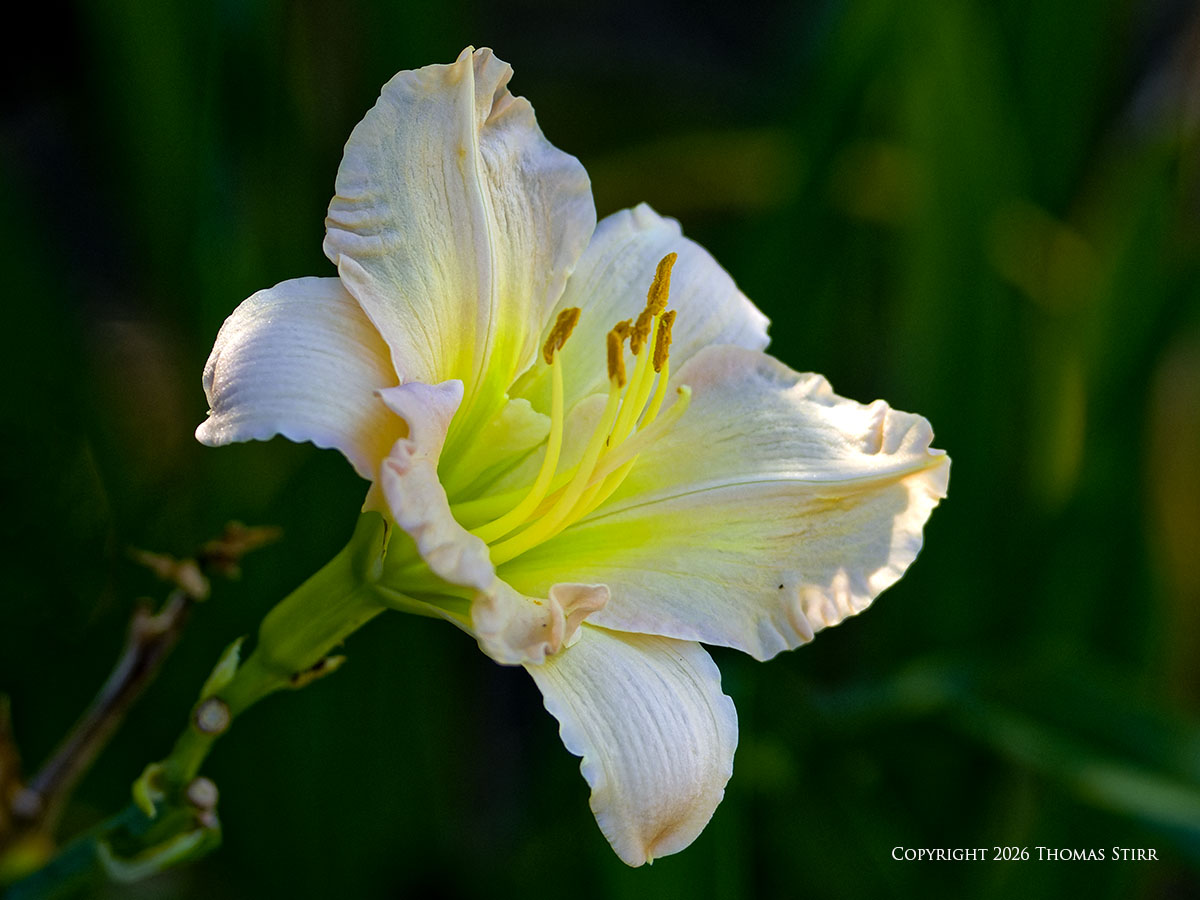
There are challenges of course with the size and weight of this zoom lens, as well as the reality of working with a variable aperture lens with an f/5 to f/6.3 range.
Overall, the in-field flexibility and optical quality, can make the M.Zuiko 150-600 mm f/5-6.3 IS a very good choice for many folks when photographing individual, large blossoms.
Whenever I photograph large blossoms that have good subject separation I am tempted to do some photo art treatments with them. More on that in an upcoming article. 🙂
Technical Note
Photographs featured in this article were captured handheld using camera gear noted in the EXIF data. Images were created from RAW files using my standard process in post. This is the 1545 article published on this website since its original inception in 2015.
Copyright
Word of mouth is the best form of endorsement. If you like our website please let your friends and associates know about our work. Linking to this site or to specific articles is allowed with proper acknowledgement. Reproducing articles, or any of the images contained in them, on another website or in any social media posting is a Copyright infringement.
Article and images are Copyright 2026 Thomas Stirr. No use, duplication or adaptation of any kind is allowed without written consent. If you see this article reproduced anywhere else it is an unauthorized and illegal use. Posting comments on offending websites and calling out individuals who steal intellectual property is deeply appreciated.
what are the four factors that affect depth of field?
Hi Hendrick,
– aperture
– lens focal length
– distance to subject
– subject distance to background
Tom
“minimum aperture used is f5.7”. Shouldn’t that be “maximum aperture used”?
Hi Jim,
Thanks for catching the mistake… I’ve made a correction.
Tom
Hi Thomas.
As a professional photographer, you can ofcourse decide to go out on a mission to photograph flowers, and bring the best lenses for that. We amateurs, just bring along a camera with today’s lens choice, and hope to find some interesting subjects, maybe a flower? The big difference is, that you somehow manage to make lovely photos with whatever lens you bring along, even the very ‘wrong’ ones! 🙂
Hi Olaf,
Thank you for your supportive comment… it is appreciated!
Tom