
There appears to be some opinions in a few photographic chatrooms that using computational photography is cheating. Of course name calling… and ridiculing the photographic choices of others… is nothing new in the photography community. Some folks have been throwing stones at others for years… if not longer.
NOTE: Click on images to enlarge. To view this article in a range of other languages click on the Canadian flag in the upper right corner.
Even back in the film days there were individuals who thought that some technological advancements were cheating. Today it seems incredulous that some basic technology like auto-focus, was once frowned upon.

The shift from film to digital photography was originally met with all kinds of resistance.

Technology that we take for granted today like IBIS (in body image stabilization) or lens-based vibration reduction technology, had detractors who put ‘cheating’ labels on the technology, and those who used it.
Over the past decade or so the development of computational photography technologies has increased dramatically.

We now have in-camera high dynamic range technology so we don’t have to spend time combining a number of photographs in post to extend the dynamic range of our images.
Hmmm…. I guess for some people even using software to combine a series of images in post to improve dynamic range could be viewed as cheating.

Is using handheld in-camera focus stacking cheating? Is combining a number of images with different focusing points in post processing software cheating?

Is it cheating if we use software to reduce the effects of noise in our images?
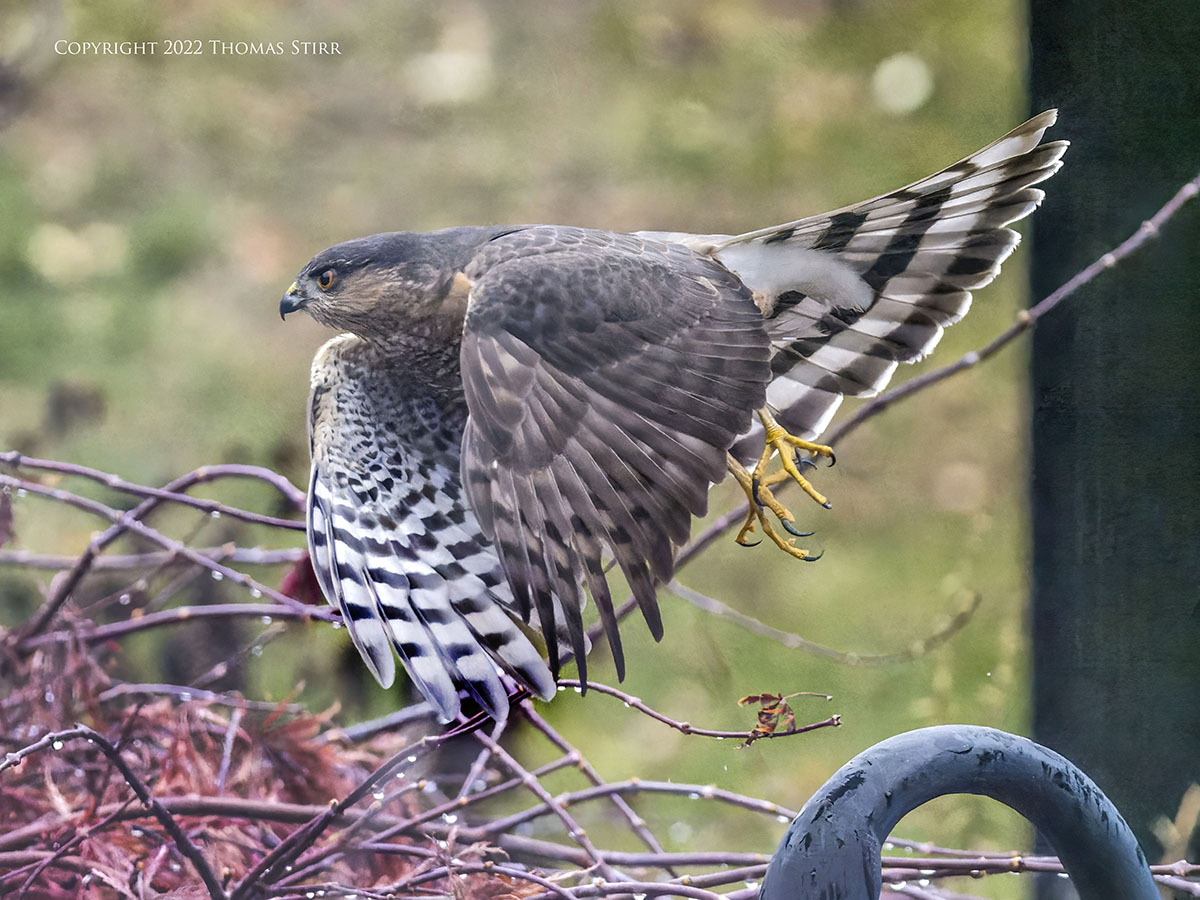
Is it cheating to use exposure compensation, or techniques like exposing to the right, so we can photograph a raptor taking flight at ISO-16000 and limit the noise in the image?

Is it cheating to use handheld in-camera focus stacking and intentionally underexpose an image so we can adjust it in post to create an emerging from darkness effect?

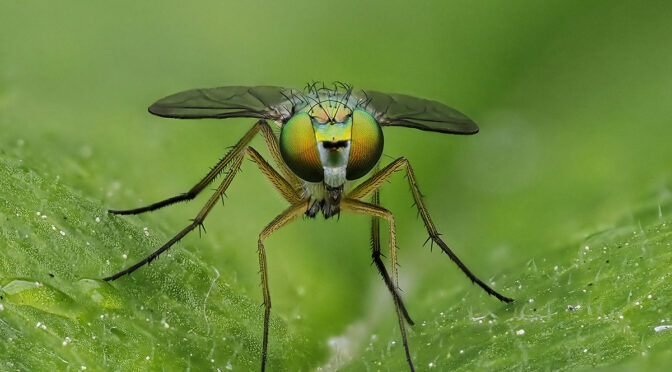
Is it cheating to use Pro Capture H with a frame rate of 60 frames-per-second to capture a fly launching into flight? Is using a physical teleconverter cheating?

Is it cheating to combine computational photography technologies like Pro Capture L with Bird Detection AI Subject Tracking to photograph puffins in heavy fog?

Is it cheating to use Pro Capture L and Bird Detection AI Subject Tracking to photograph a precise moment of a tern in flight juggling a fish that it caught a few moments earlier?

Is it cheating to change our camera’s metering mode to spot metering in order to get the proper exposure on an image?
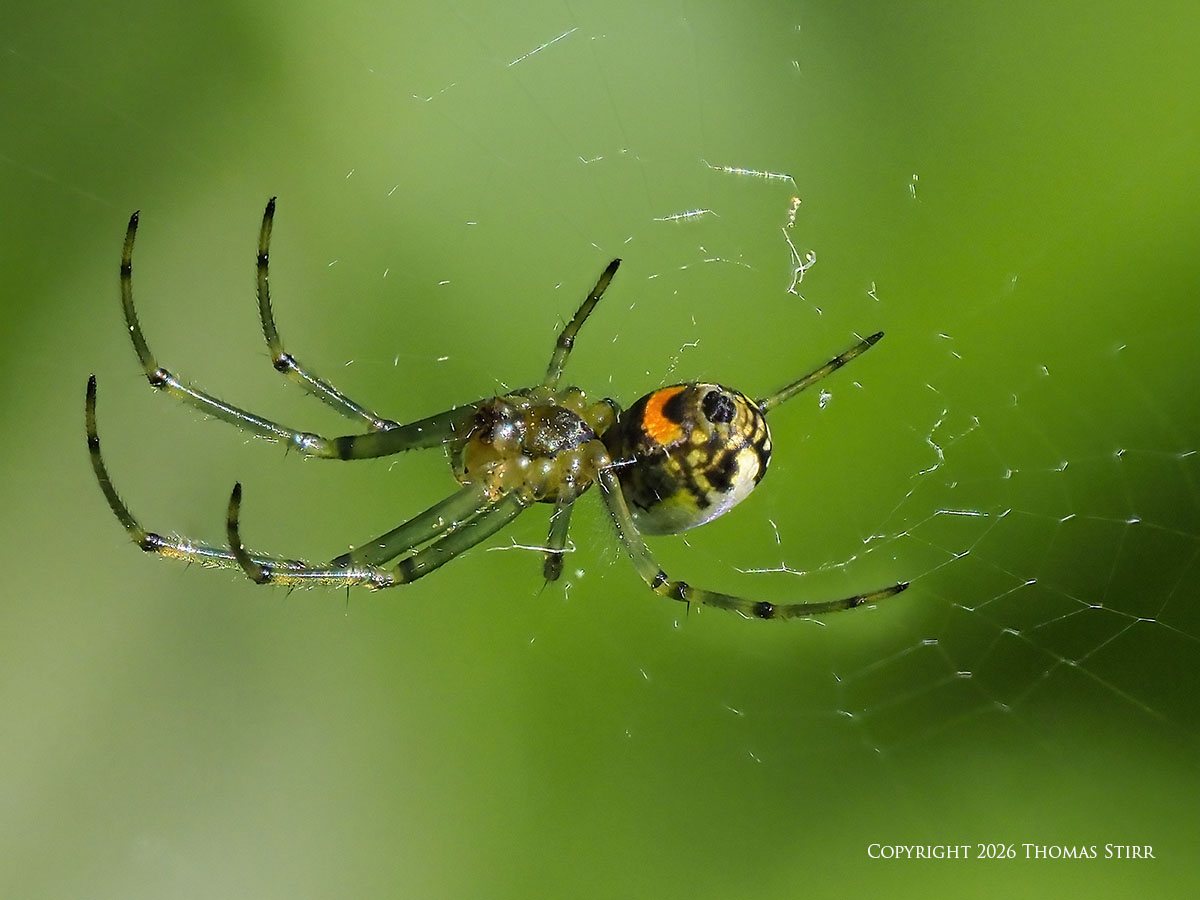
Is it cheating to use handheld in-camera focus stacking in combination with a digital teleconverter to further increase the magnification of a handheld macro photography image?
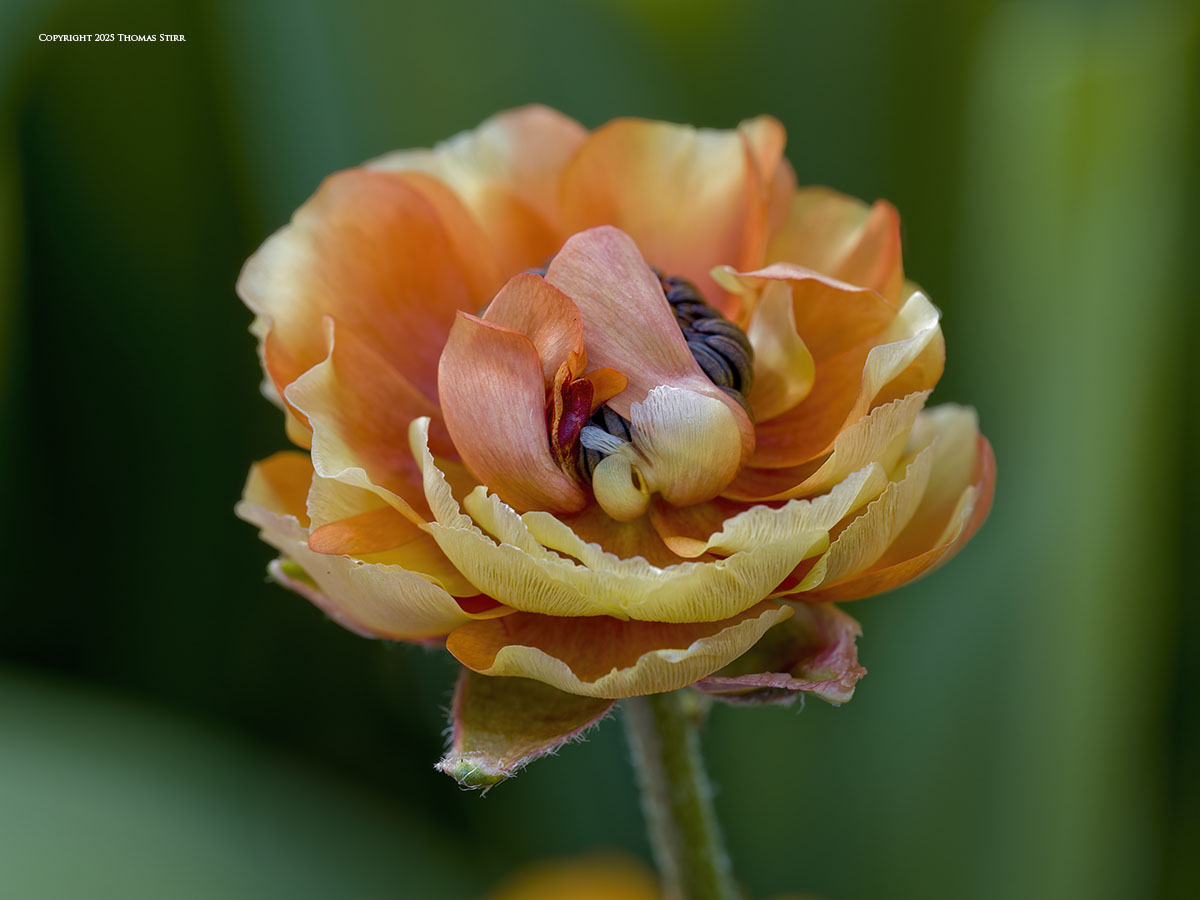
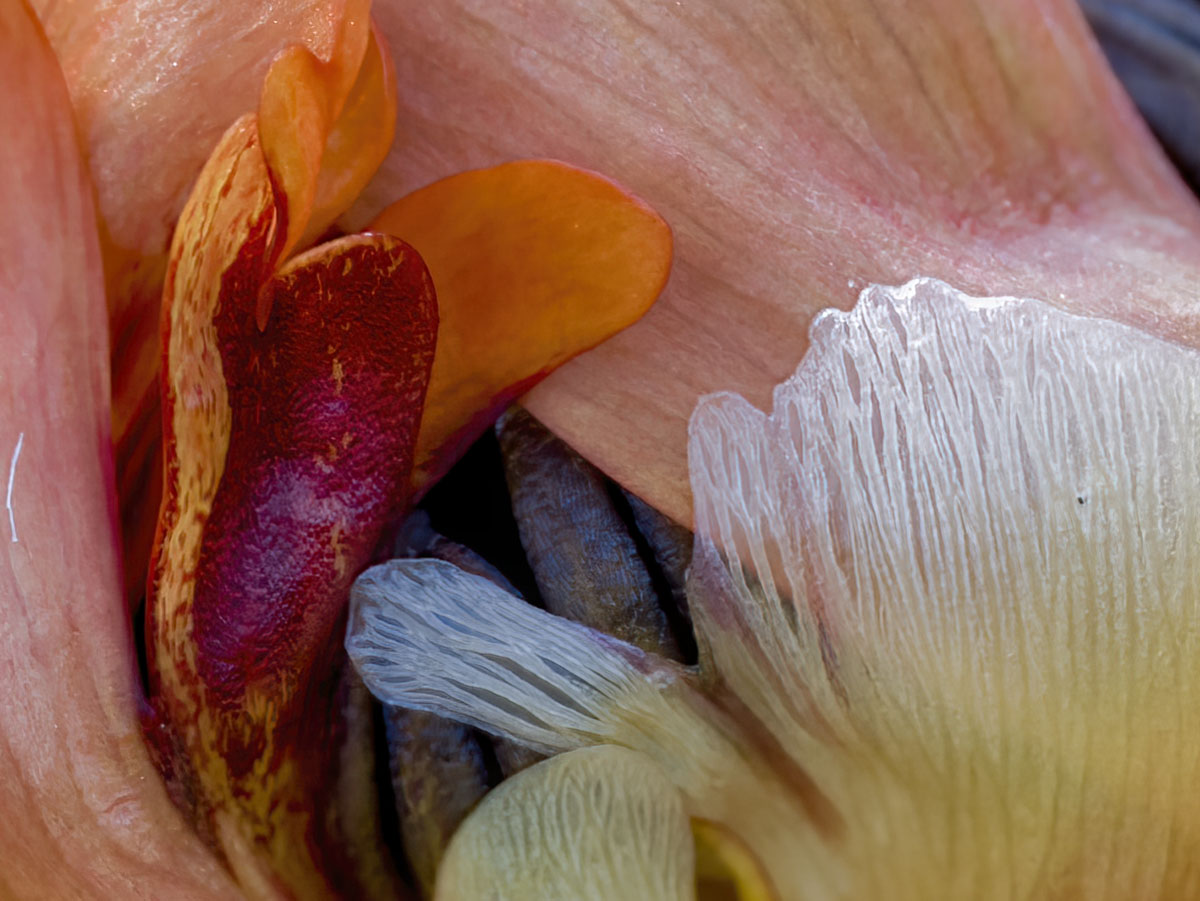
Is it cheating to use Handheld Hi Res to increase the resolution of our images, improve dynamic range, and capture finer details?
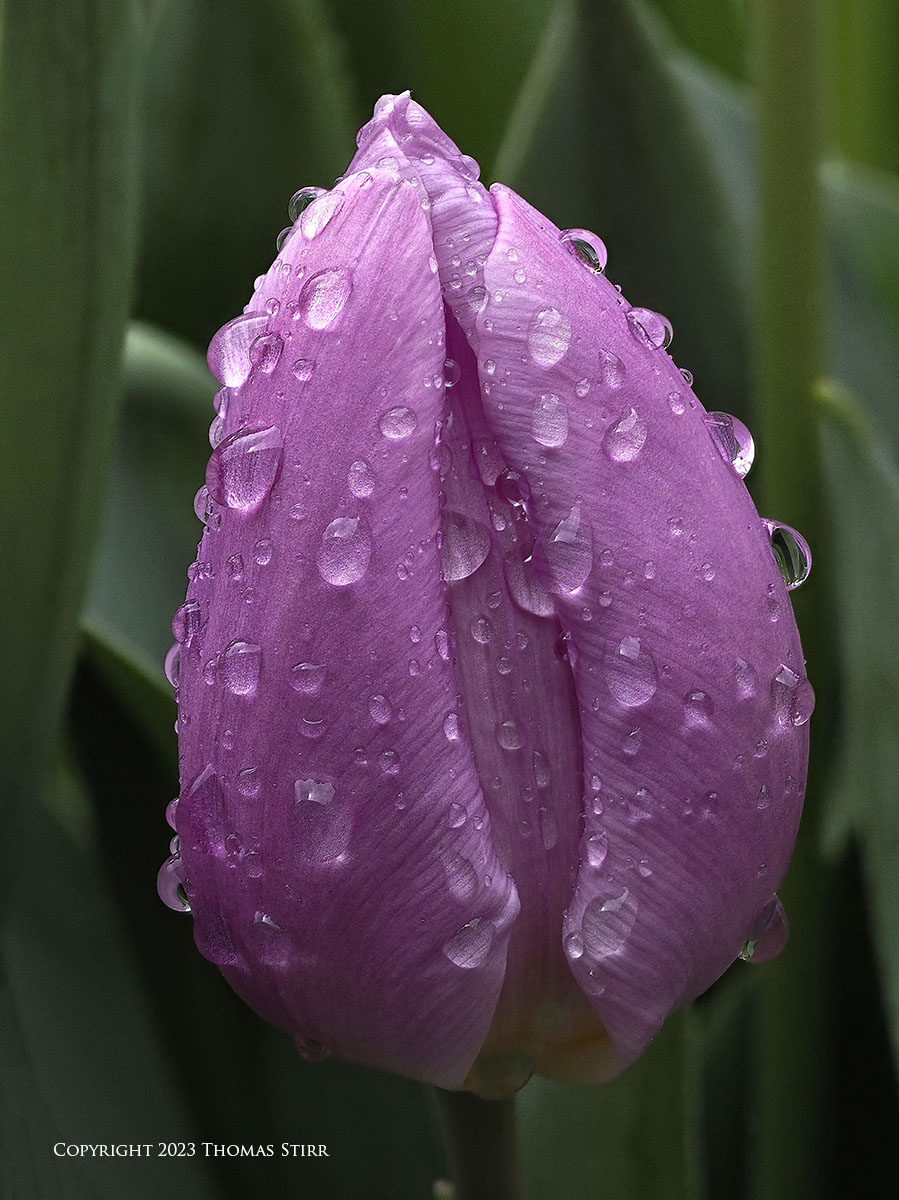
Is it cheating to use camera equipment that is weather sealed so we can extend our photography during inclement weather without the need to use a rain sleeve? Hmmm… is using a rain sleeve cheating?
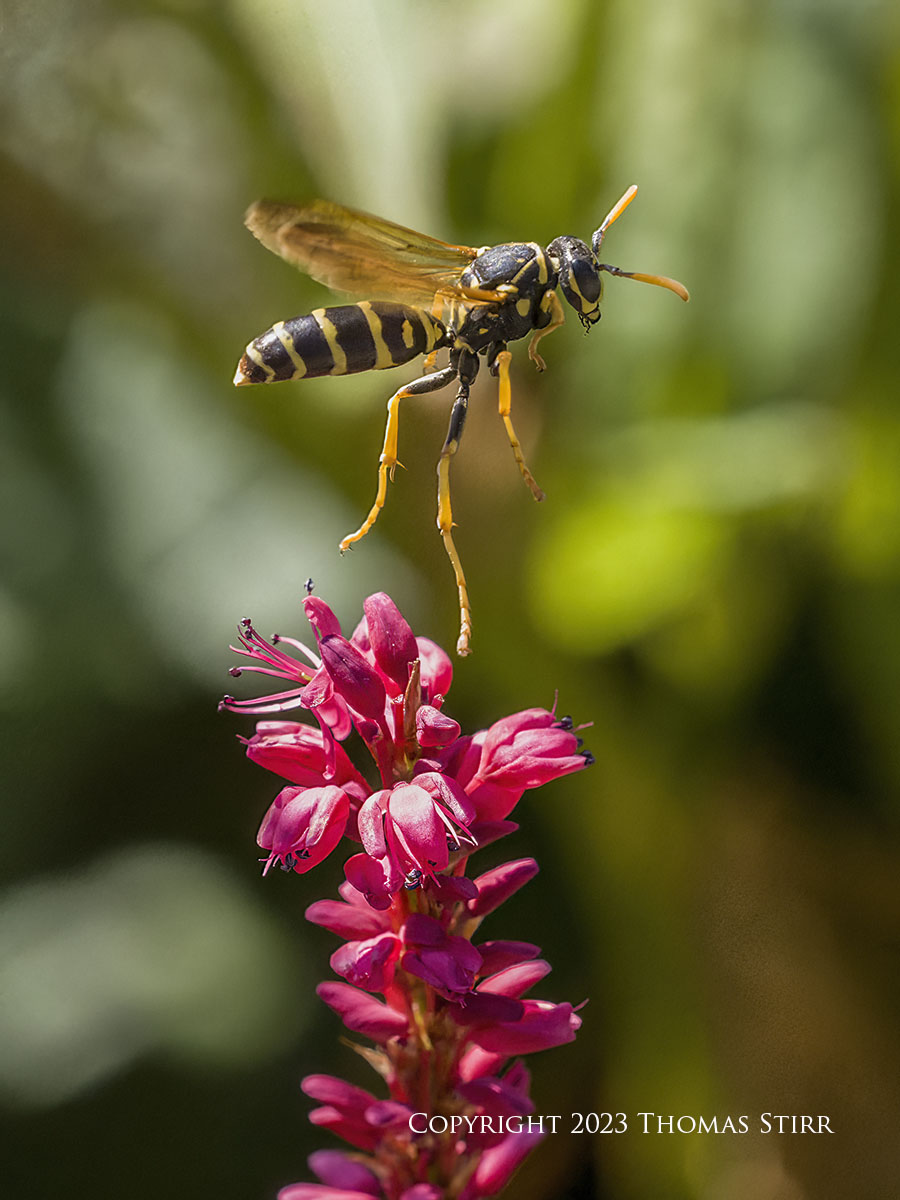
What can we do about the name calling and the negative labels that some photographers put other people? Nothing.

Just like the camera gear that each of us chooses to buy… whether we use computational photography technologies or not… is simply a personal decision. And, quite frankly it is no one else’s business.

What someone else thinks about what each of us does with our approach to photography… is nothing more than meaningless noise.
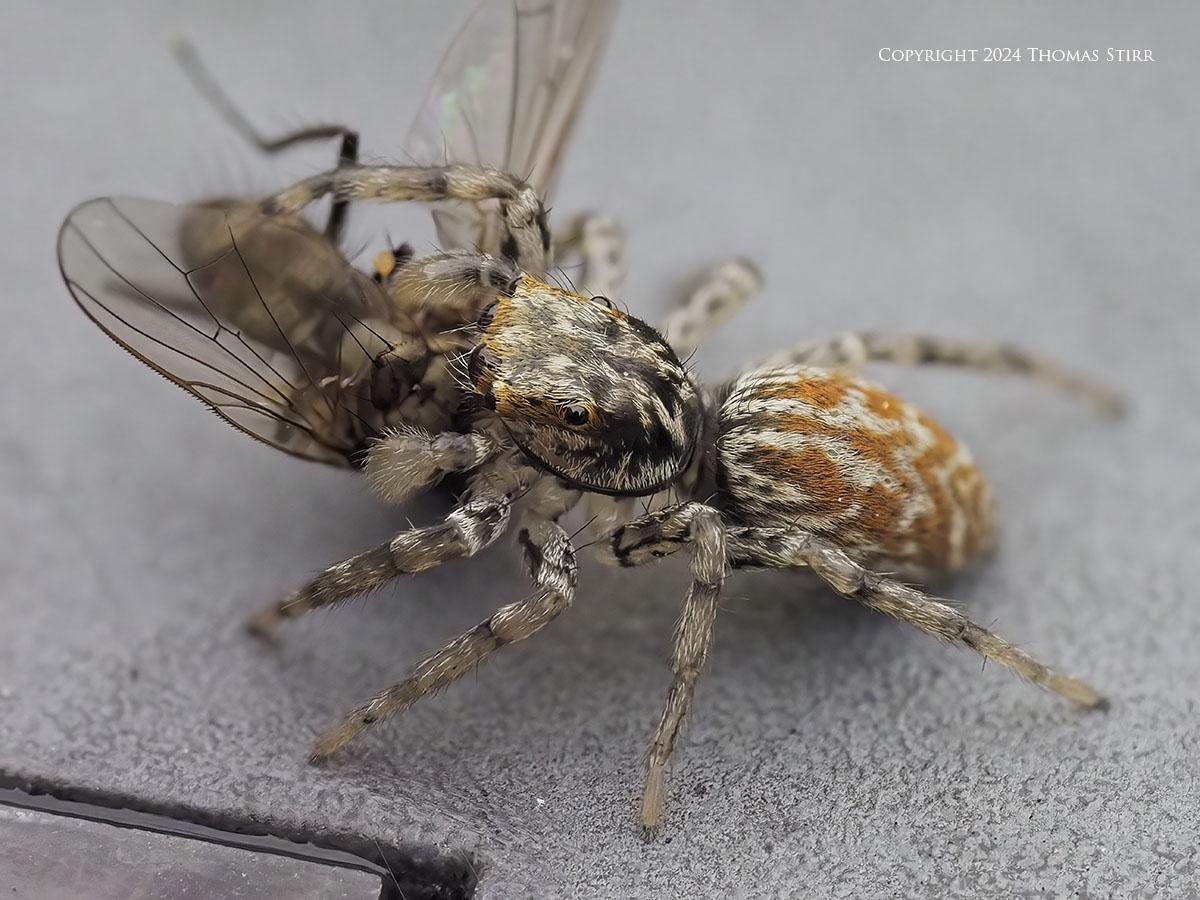
Shouldn’t we call out the photographers who are judgemental of other people just because they use computational photography technologies? They label them as cheaters… that doesn’t seem fair.
Sure, let’s call them something. What should we call them?

We should call them what they are. Photographers who choose not to use computational photography technologies.
Technical Note
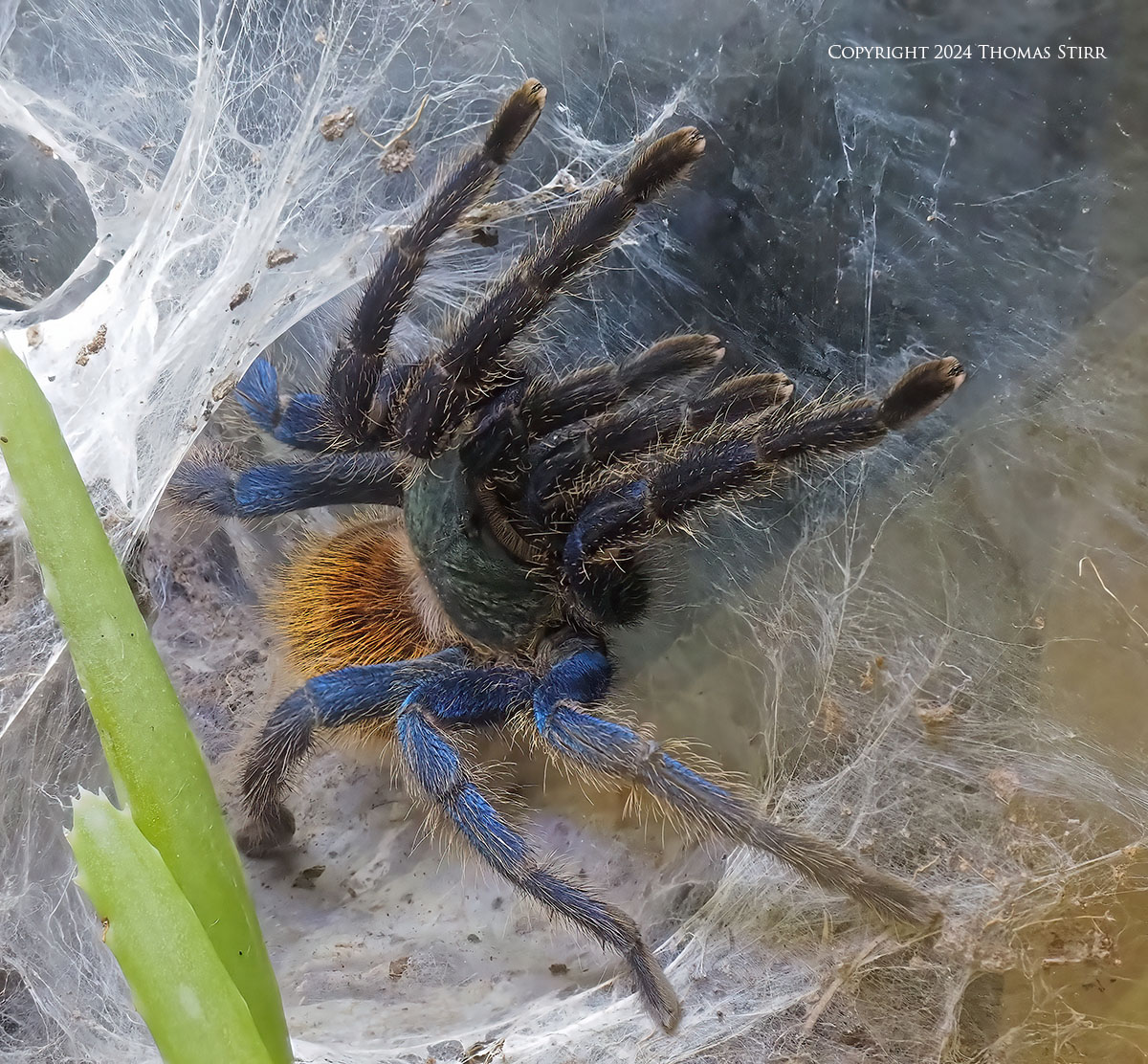
Photographs featured in this article were captured handheld using camera gear and technologies noted in the EXIF data. Images were created from RAW files or out-of-camera jpegs using my standard process in post. This is the 1544 article published on this website since its original inception in 2015.
Copyright
Word of mouth is the best form of endorsement. If you like our website please let your friends and associates know about our work. Linking to this site or to specific articles is allowed with proper acknowledgement. Reproducing articles, or any of the images contained in them, on another website or in any social media posting is a Copyright infringement.
Article is Copyright 2026 Thomas Stirr. Images are Copyright 2022-2026. No use, duplication or adaptation of any kind is allowed without written consent. If you see this article reproduced anywhere else it is an unauthorized and illegal use. Posting comments on offending websites and calling out individuals who steal intellectual property is always appreciated!
Rules are necessary in many vocations to insure safety, compatibility, or predictable and reproducible results. Photography is an art. Artists are free to use whatever tools they want and however they want.
Hi Jack,
I couldn’t agree more!
Tom
Hello Thomas,
Thank you for this article. I love photography and hardly ever seen without my camera when out and about. Have been taking photos for the better part of 50+ years now so have seen many changes in this time. Loved the film era, and would not say in any way that I am technology minded. Working in a dark room developing my pictures would be, to me, the same as now working in camera or computer, to ‘alter’ the image to how I want it to be represented. I don’t have photoshop. My reasoning is, I try to take the photo I want as best I can, in camera. My decision. I have no issue with those clever enough to use technology and make their images what they want them to be. My opinion, you nailed it when you said, it’s no one else’s business. Art is subjective. Enjoy what you do. If it makes others smile to see something that you love doing and sharing with us, that’s a wonderful gift. So, thank you for sharing your amazing work. Take care.
Hello Aileen,
Thank you for your comment and sharing some of your life experience with photography. Having this art form as an integral part of your life for over 5 decades speaks volumes of its importance to you.
Tom
Hi Thomas.
Using the features that our cameras are equipped with, is not cheating. To me, the limit is a post process using AI to ‘improve’ a picture, which is then presented as the photographers image. The question is then, whether it is a photography, or a form of AI artwork. The scary part is that some AI programs have reached a level, where collecting and manipulating other people’s work may may end up being presented as one person’s original work. I believe that the concept of photographic cheating, will change in a not distant future.
Yours, Olaf
Hi Olaf,
I agree totally that people buy cameras because of the capabilities that they deliver. Those of us who own cameras with photographic technologies view using them as not only normal, but as expected advantages. Apparently the folks who claim these new technologies are ‘cheating’ believe that everyone should create images the ‘old’ way as was done in the past 15 to 20 years ago. I obviously don’t agree with this point of view.
AI is a concern for a wide range of creators. Intellectual property theft is already rampant and only getting worse. The legal costs of protecting one’s work can be significant. I suppose at some point many creators will simply leave public media.
Tom
Cheating implies standardized rules and agreement to follow them. Photography has neither. Nor should it or any art form. Photography is not a sport. Now if there is a framework of competition that a photographer chooses to participate in (a contest for example) then they must abide by the rules of that framework. But outside of those proscribed areas there are no boundaries. Even when a photographer claims to use or not use a particular technique or technology (i.e AI) but did or did not I would not call them cheaters. I would call them liars.
Hi Joshua,
I agree that photography is an art form that does not have boundaries. There are some folks who try to impose their definitions on others.
Tom