
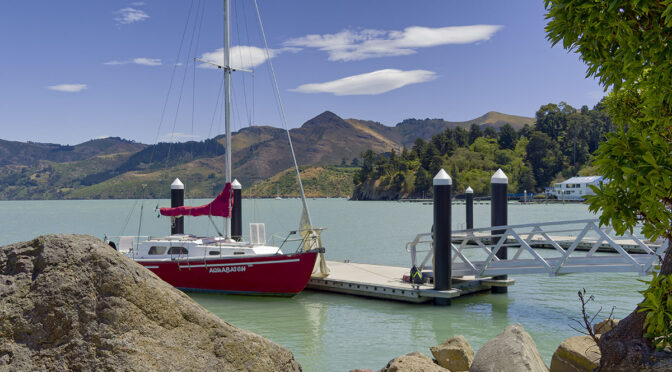
The M.Zuiko 14-150 mm f/4-5.6 II zoom lens is a wonderfully flexible piece of kit that is sometimes undervalued by folks. This article provides some first hand insights on this lens. These are based on some time using this lens, observing my wife using it in the field, and working in post with files produced with it. We’ve owned this lens for over 4 years and have found it to be reliable, and a joy to use.
NOTE: Click on images to enlarge. To read this article in a range of other languages click on the Canadian flag in the upper right corner.

Size, weight and cost.
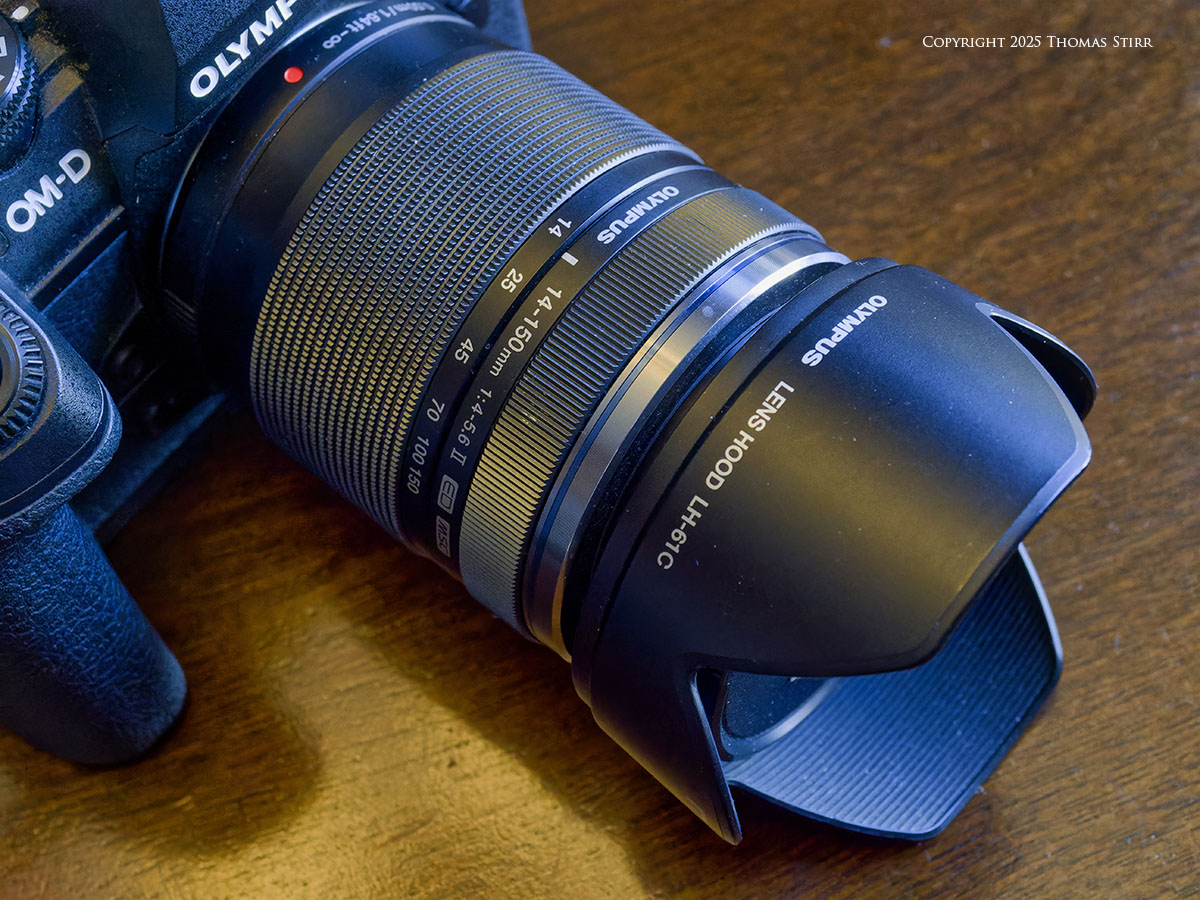
The M.Zuiko 14-150 mm f/4-5.6 II is a small, lightweight and cost affordable zoom lens. In Canada the lens lists for $849 and weighs 285 grams (~10 ounces). It measures 63.5 mm (~2.5 inches) in diameter and is 83 mm (~3.27 inches) long.
This compares to a list price of $1799 for the M.Zuiko PRO 12-100 mm f/4 IS. The PRO 12-100 measures 77.5 mm (~ 3.05 inches ) in diameter and 116.5 mm (~ 4.6 inches) in length. It weighs almost twice as much as the 14-150 II at 561 grams.

When its diameter is compared to the M.Zuiko PRO 12-100 mm f/4, the 14-150 II is considerably smaller.

When collapsed, the M.Zuiko 14-150 mm f/4-5.6 is noticeably shorter than the PRO 12-100 f/4 IS.

The two lenses are almost the same length when fully extended due to the increased focal length range of the 14-150 mm f/4-5.6 II.
Obviously a lens like the M.Zuiko PRO 12-100 mm f/4 IS that costs almost twice as much as the 14-150 mm f/4-5.6 II, provides a superior set of features including 12 special glass elements (5 ED, 3 Aspherical, 1 DSA, 1 HR and 2 Super HR) compared to 5 special glass elements in the 14-150 II (2 ED, 3 Aspherical of which 1 is ED).
The PRO 12-100 f/4 IS has a focus clutch, L-FN button, and better weather sealing which is rated at IP53. It is also able to work at 50 frames-per-second with C-AF (Continuous Auto-Focus) with cameras like the OM-1, OM-1 Mark II and the OM-3.

Comparing the M.Zuiko 14-150 mm f/4-5.6 II to the PRO 12-100 f/4 IS is somewhat of an apples to oranges situation. So, this review focuses on the practical image capturing capabilities of the 14-150 mm f/4-5.6 II, and why it can still be a very good choice for many photographers.

Weather sealing.
My wife has used the M.Zuiko 14-150 mm f/4-5.6 in a range of inclement weather situations without any issues. For example, the image above was captured while out in the open during a pretty heavy downpour when visiting Hamilton Gardens in New Zealand late last year. While other photographers headed for cover, we just kept on shooting with our Olympus (now OM) gear.

Auto-focus performance
My wife doesn’t have much experience trying to photograph action scenes… but was able to capture some interesting images of rafts going over Okere Falls, thanks in part to the quick and accurate auto-focus performance of the 14-150 mm II.
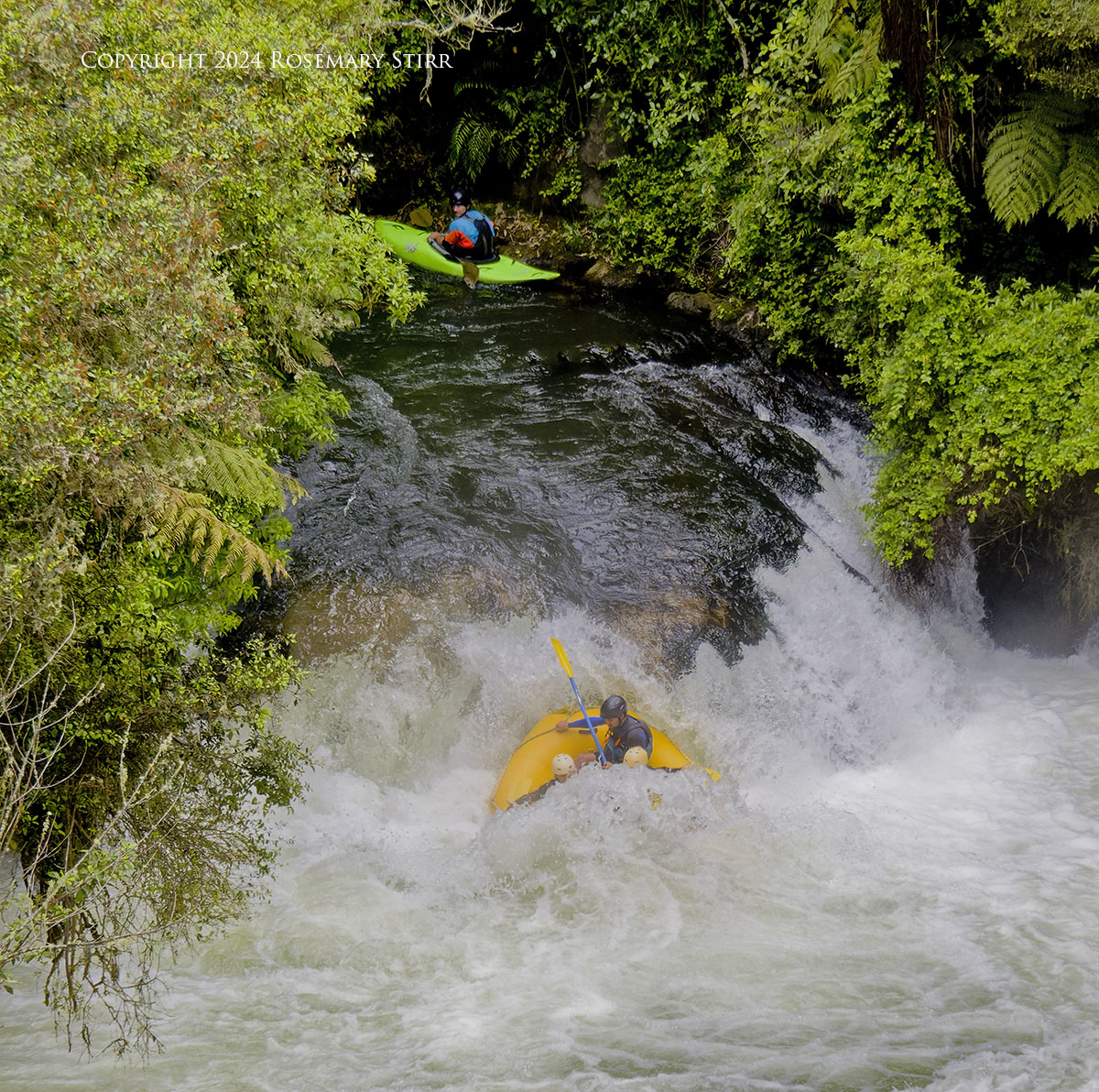
Even when shooting individual frames she was able to photograph consecutive images quickly enough to show the same raft being partially submerged as it entered the pool at the bottom of the waterfall.
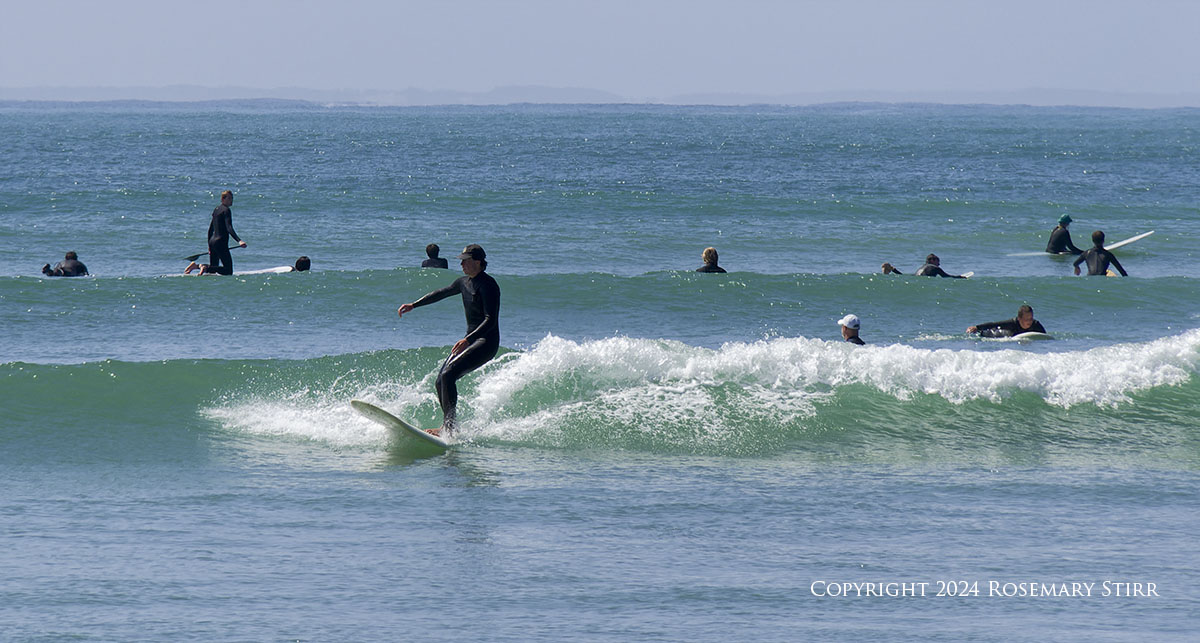
She also had success capturing individual frames of some surfers on the South Island. A longer focal length range would have been handy in this situation, but using an equivalent field-of-view of 300 mm was certainly helpful.
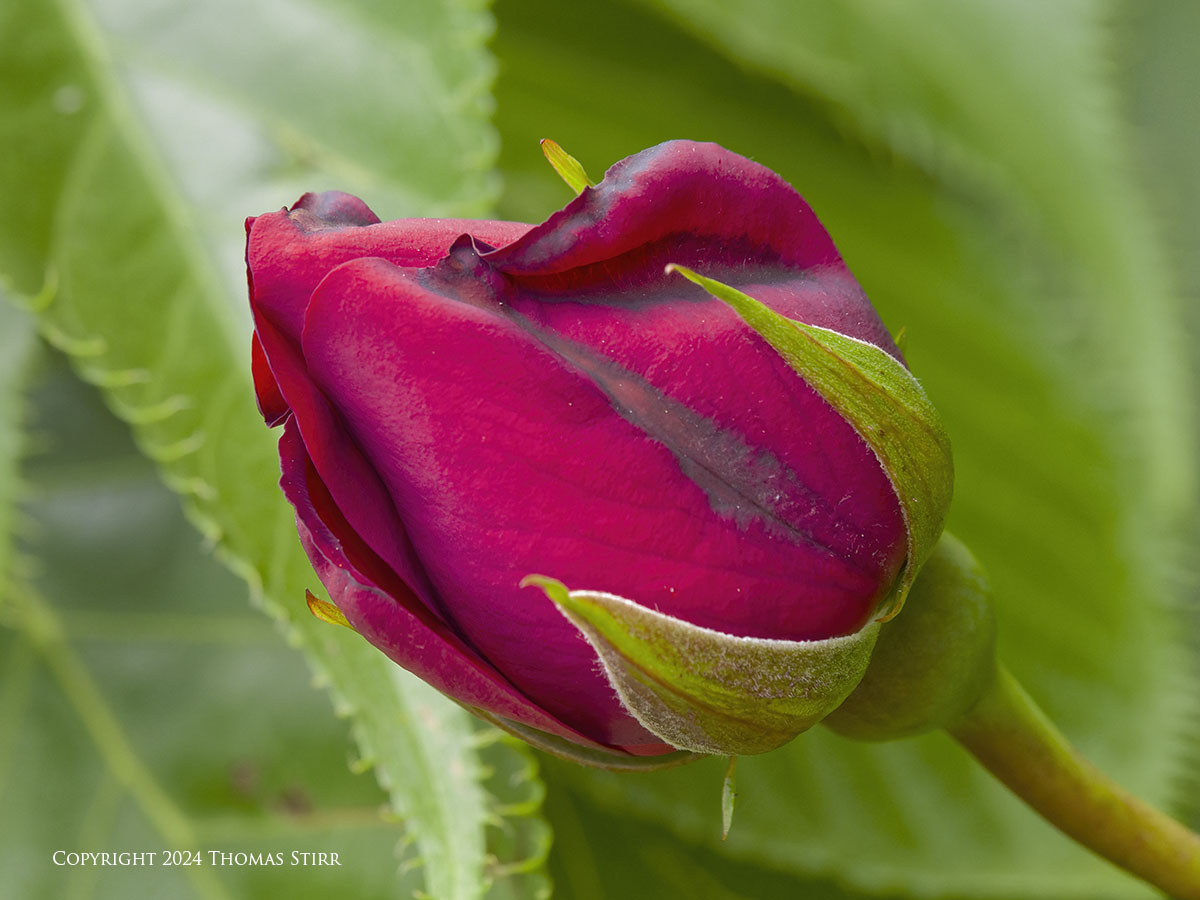
Minimum focusing distance.
The M.Zuiko 14-150 mm f/4-5.6 II has a minimum focusing distance of 0.5 metres (~ 19.7 inches) which can come in handy when photographing flowers and other close-up subjects.

Flexible focal length range ideal for travel.
Having a small, lightweight lens that provides an equivalent field-of-view of 28 mm to 300 mm makes the M.Zuiko 14-150 mm f/4-5.6 II ideal for holiday travel.

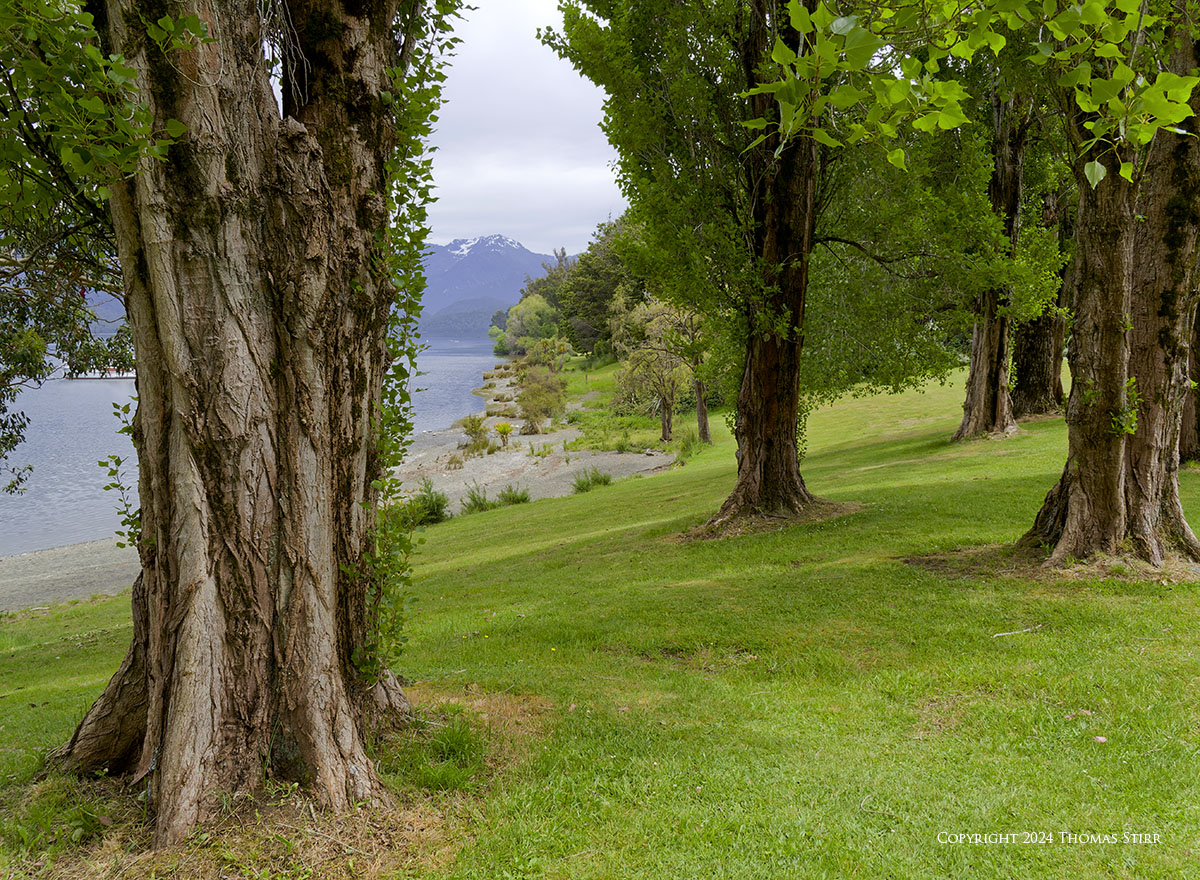
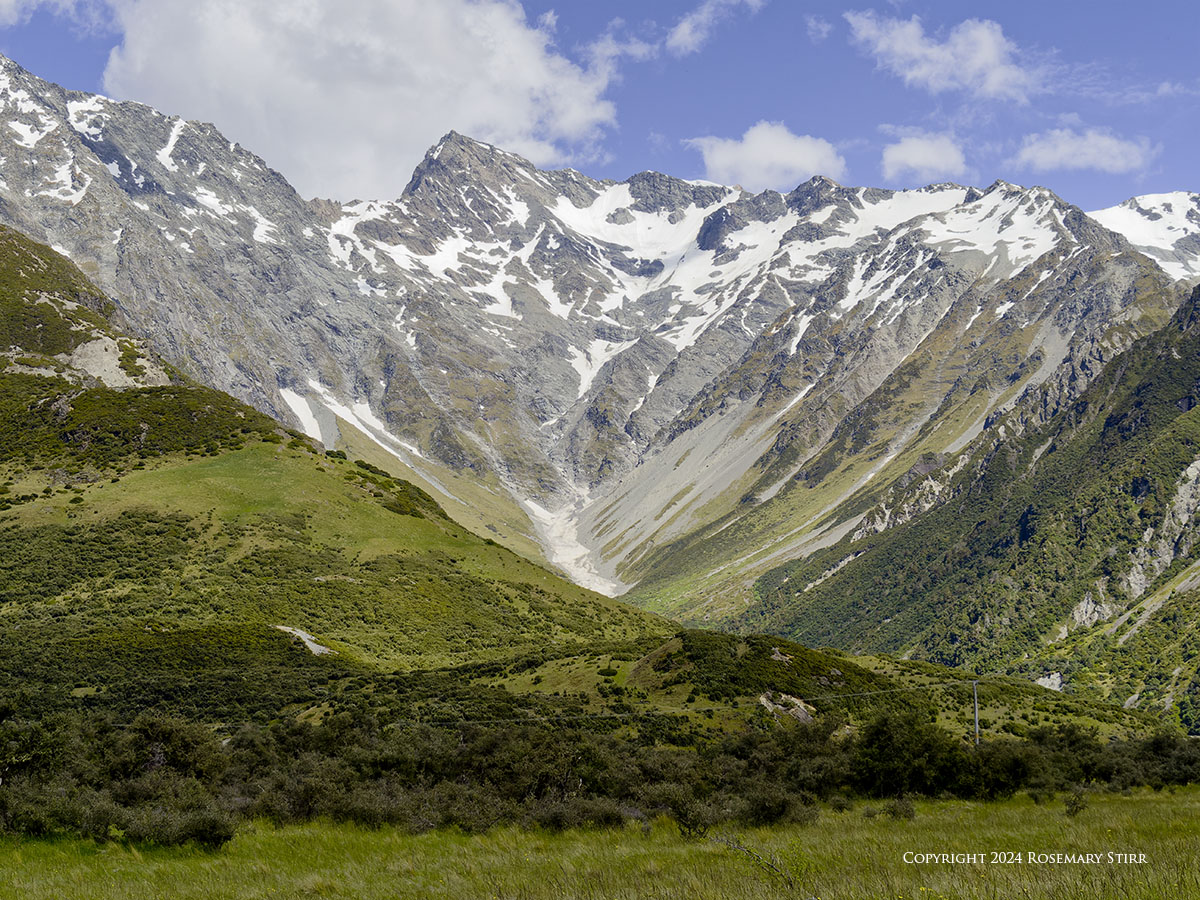
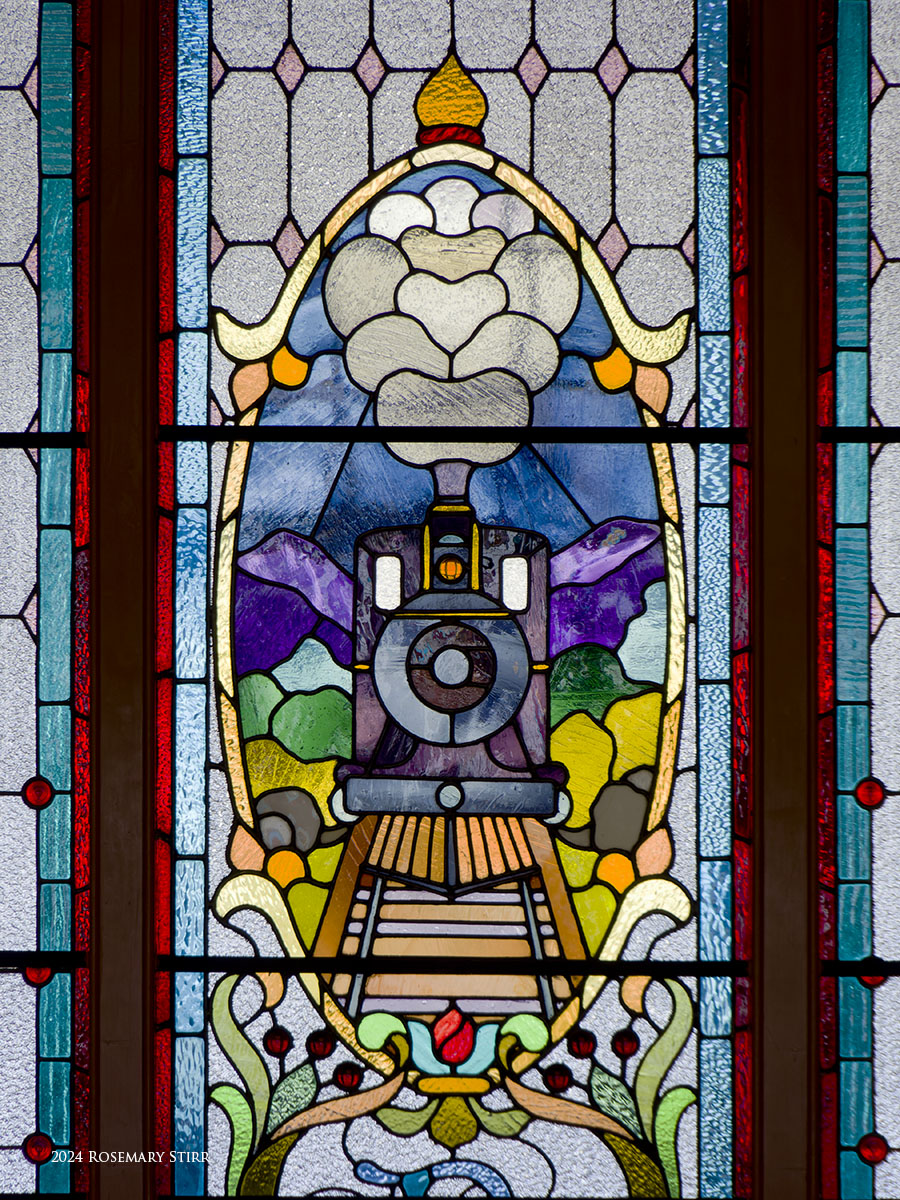
During trips to Nova Scotia, Newfoundland and New Zealand this lens has been a stalwart performer. Here are a few sample images from our recent trip to New Zealand.





Good partner for computational photography technologies.
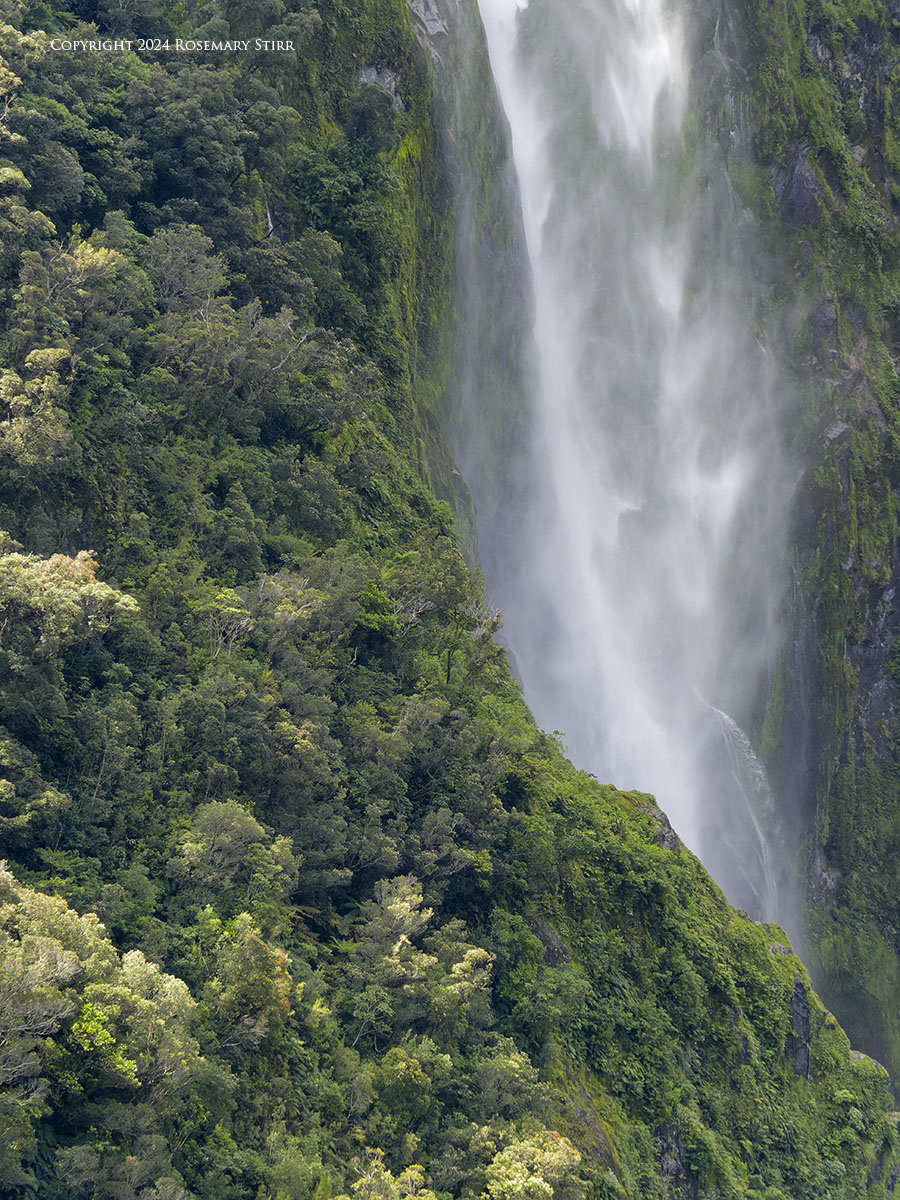
As you can see from the image of Purakaunui Falls above, the 14-150 II is a good partner to use with computational photography technologies. The Live ND image above was captured handheld using a shutter speed of 1/5th of a second.

Image quality.
While the 14-150 II is not a PRO lens and does not have all of the special glass elements found in the PRO 12-100 IS, it is capable of producing some very pleasing images. I found that I did not have to spend very much time in post working on RAW files created with this lens.

I didn’t bother applying any sharpening, microcontrast or clarity to any of the images featured in this article as I didn’t feel that the images needed those adjustments. Obviously a lens like the PRO 12-100 f/4 IS would produce superior image quality, and thus be better suited for use when photographs are planned to be printed in very large sizes.

Many photographers will find that the image quality from the 14-150 II is more than sufficient for their needs… especially if the bulk of their planned use is on social media, or for smaller to mid-sized prints.
Conditions can make the 14-150 II a preferred lens.
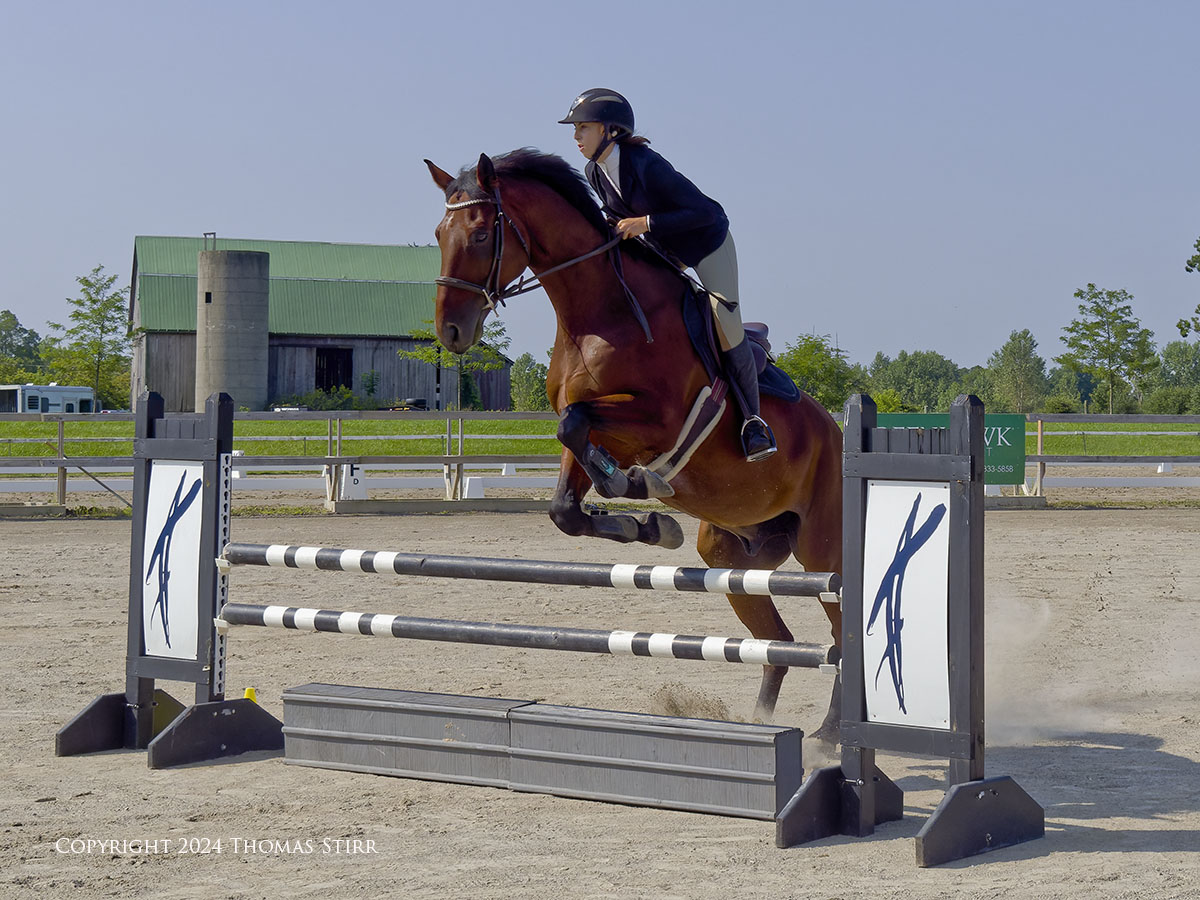
Due to its broad focal length range and its small, lightweight size, I sometimes prefer to use the 14-150 II instead of my PRO 12-100 f/4 IS under certain conditions. In a previous article about photographing a horse jumping event, I explained why using the 14-150 II was a much better choice than the PRO 12-100 IS because of its broader focal length range.

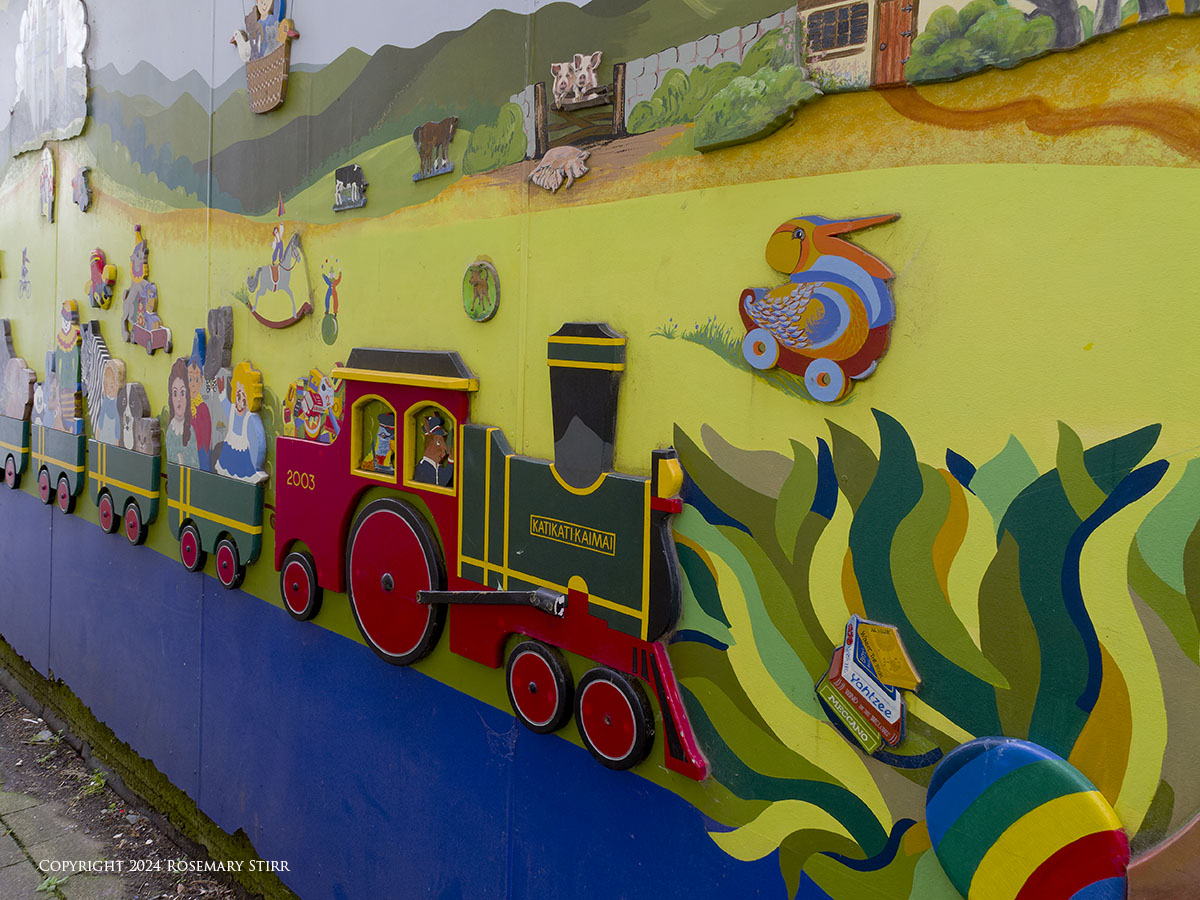
We also decided to use the M.Zuiko 14-150 mm f/4-5.6 II when we spent the better part of the day exploring the downtown area of Christchurch with all of its murals painted on the sides of buildings.

Solid, affordable performer.
When all is said and done, the M.Zuiko 14-150 mm f/4-5.6 II is a solid, affordable lens that performs very well. My wife used a Nikon 1 V3 with the 1 Nikkor 10-100 mm f/4-5.6 for many years and really enjoyed that gear.

When we were originally making the switch to Olympus almost six years ago she was a little hesitant about the slightly larger size and increased weight. All of her hesitation quickly melted away once she started experiencing the increased photographic potential that her new Olympus gear provided. Of special note is the increased grip comfort and ergonomics using the OM-D E-M1 Mark III. The M.Zuiko 14-150 mm f/4-5.6 II is ideally suited to her specific needs, and she loves using this lens.

Technical Note
Photographs were captured handheld using camera equipment noted in the EXIF data. All images were created from RAW files using my standard process in post. This is the 1,445 article published on this website since its original inception in 2015.
How you can keep this website advertising free
My intent is to keep this photography blog advertising free. If you enjoyed this article and/or my website and would like to support my work, you can purchase an eBook, or make a donation through PayPal (see Donate box below). Both are most appreciated.

You may enjoy bird photography, and if so our 188 page eBook Handheld Bird Photography may be of interest. It is available for download for an investment of $14.99 CDN. The best viewing experience of this eBook will be at 100% using Adobe Acrobat Reader.
Sometimes all we need as photographers is a bit of inspiration. We hope you can find some of that inside Finding Visual Expression II.

Finding Visual Expression II is available for download for an investment of $11.99 CDN. The best viewing experience of this eBook will be at 100% using Adobe Acrobat Reader.
You may be interested in all of the 30 concepts covered in both of these related eBooks. If so, you may want to also consider Finding Visual Expression.

Finding Visual Expression is available for download for an investment of $11.99 Cdn. The best viewing experience of this eBook will be at 100% using Adobe Acrobat Reader.
Our other eBooks include Images of Ireland, New Zealand Tip-to-Tip, Nikon 1: The Little Camera That Could, Desert & Mountain Memories, Images of Greece, Nova Scotia Photography Tour, and a business leadership parable… Balancing Eggs.
If you click on the Donate button below you will find that there are three donation options: $7.50, $10.00 and $20.00. All are in Canadian funds. Plus, you can choose a different amount if you want. You can also increase your donation amount to help offset our costs associated with accepting your donation through PayPal. An ongoing, monthly contribution to support our work can also be done through the PayPal Donate button below.
You can make your donation through your PayPal account, or by using a number of credit card options.
Word of mouth is the best form of endorsement. If you like our website please let your friends and associates know about our work. Linking to this site or to specific articles is allowed with proper acknowledgement. Reproducing articles, or any of the images contained in them, on another website or in any social media posting is a Copyright infringement.
Article is Copyright 2025 Thomas Stirr. Images are Copyright 2024 Thomas Stirr or Rosemary Stirr. All rights reserved. No use, duplication or adaptation of any kind is allowed without written consent. If you see this article reproduced anywhere else it is an unauthorized and illegal use. Posting comments on offending websites and calling out individuals who steal intellectual property is always appreciated!
Dag Thomas, ik heb een luxe probleem. We reizen binnenkort naar Canada en gaan wat rondtrekken, vanaf Vancouver O.a. naar Revelstoke en ook nog naar Alaska (Anchorage) we hebben een boottocht in Seward overdag. Wat is slim ik wil eigenlijk ligt reizen. Om 1 ii en 14-150mm en 75-300 mm. Heb ook de 12-40 pro en de 40-150 pro met 2 converters. Ik twijfel heel erg. De 2 eerste lenzen niet zo snel de 2 pro’s wel en lichtsterk maar ook zwaarder. En wat als ik 1 van de foto’s wil afdrukken op bijvoorbeeld 40×60 cm
Hello Thomas, I have a luxury problem. We will soon be traveling to Canada and going for some traveling, from Vancouver, including to Revelstoke and also to Alaska (Anchorage), we have a boat trip in Seward during the day. What is smart I actually want to travel. At 1 ii and 14-150mm and 75-300mm. Also have the 12-40 pro and the 40-150 pro with 2 converters. I’m very doubtful. The first two lenses are not so fast, the 2 pros are bright but also heavier. And what if I want to print 1 of the photos at, for example, 40×60 cm
Hi Dicky,
Your basic choice comes down to size/weight versus low light performance, in-field flexibility, and overall image quality. The M.Zuiko 14-150 II is quite a capable lens that provides very good focal length flexibility and produces sufficient quality for the majority of folks. My wife and I have used this lens during some travel and had no complaints. The 75-300 II is also a capable lens but it does struggle in lower light conditions. You will be able to compensate for the variable aperture range with the IBIS in your camera body to some degree. According to a few owners, some copies of the 75-300 II can be somewhat soft at the longer end of the zoom. Our copy is fine and files captured with it respond well in post.
Optically the PRO 12-40 f/2.8 and PRO 40-150 f/2.8 will perform better. I’ve not had any issues shooting my PRO 40-150 f/2.8 with 1.4X and 2X teleconverters. The brighter constant aperture will give you more low light capability with the two PRO lenses, and you’ll be able to get out to 300 mm at f/5.6 with the 2X teleconverter. I can’t make this decision for you… as it really comes down to the shooting conditions you anticipate facing during your trip and the print quality that you would find acceptable when doing 40×60 enlargements.
Since you own all four of these lenses you likely have time to go out and shoot a good sampling of images with both set-ups, then do some test enlargements. As far as my bird photography goes, I typically shoot in decent light. So, I decided to take our 75-300 II with us during a trip to New Zealand. I wasn’t planning on doing very much bird photography during our trip so the 75-300 II was acceptable for some casual bird photography. If my trip would have been focused only on bird photography I would have taken my 150-600 IS.
Tom
Hallo Dicky, Uw basiskeuze komt neer op grootte/gewicht versus lage lichtprestaties, flexibiliteit in het veld en algehele beeldkwaliteit. De M.Zuiko 14-150 II is een redelijk capabele lens die een zeer goede flexibiliteit in de brandpuntsafstand biedt en voldoende kwaliteit produceert voor de meerderheid van de mensen. Mijn vrouw en ik hebben deze lens tijdens sommige reizen gebruikt en hadden geen klachten. De 75-300 II is ook een capabele lens, maar heeft moeite bij minder licht. U kunt het variabele diafragmabereik tot op zekere hoogte compenseren met de IBIS in uw camerabody. Volgens een paar eigenaren kunnen sommige exemplaren van de 75-300 II wat zacht zijn aan het langere eind van de zoom. Onze kopie is prima en bestanden die ermee zijn vastgelegd, reageren goed in de post. Optisch zullen de PRO 12-40 f/2.8 en PRO 40-150 f/2.8 beter presteren. Ik heb geen problemen gehad met het fotograferen van mijn PRO 40-150 f/2.8 met 1.4X en 2X teleconverters. Het helderdere constante diafragma geeft u meer lage lichtmogelijkheden bij de twee PRO-lenzen, en u kunt met de 2X-teleconverter naar 300 mm komen bij f/5.6. Ik kan deze beslissing niet voor je nemen… omdat het echt neerkomt op de opnameomstandigheden waarmee je tijdens je reis te maken verwacht en de printkwaliteit die je acceptabel zou vinden als je 40×60 vergrotingen maakt. Omdat u alle vier deze lenzen bezit, heeft u waarschijnlijk de tijd om met beide opstellingen een goede bemonstering van beelden te maken en vervolgens enkele testvergrotingen uit te voeren. Wat mijn vogelfotografie betreft, fotografeer ik doorgaans in fatsoenlijk licht. Dus besloot ik onze 75-300 II mee te nemen tijdens een reis naar Nieuw-Zeeland. Ik was niet van plan om tijdens onze reis veel vogelfotografie te maken, dus de 75-300 II was acceptabel voor wat casual vogelfotografie. Als mijn reis alleen op vogelfotografie gericht zou zijn geweest, zou ik mijn IS van 150-600 hebben gemaakt. Tom
Dank je wel voor je uitgebreid antwoord Tom. Idd wat je zegt keuzes keuzes. Ik ga het laten bezinken. En een beslissing nemen. We zijn maar 4 dagen in Alaska. Daarna met de auto op pad vanuit Vancouver. Neig naar licht reizen. Ga alles overdenken. Nogmaals dank je wel.
Thank you for your detailed answer Tom. Like what you say choices choices. I’m going to let it sink in. And make a decision. We are only in Alaska for 4 days. Then out by car from Vancouver. Tend to travel light. Go think about everything. Thank you again.
Focus on your needs and you’ll come to the right decision.
Concentreer u op uw behoeften en u komt tot de juiste beslissing.
Tom
Thank you for your article. I was dubbing between these two lenses but after reading I have decided to try the 14-150 first and than maybe I could later on buy the 12-100 if the 14-150 doesn’t meet my expectations.
Hello Hans,
I’m glad you found the article helpful. My wife and I own both the 14-150 II and the PRO 12-100 IS. These lenses, like all things photographic, come with trade-offs. The challenge that we all face is to choose camera equipment that best meets our needs, while also minimizing the trade-offs.
My wife prefers the M.Zuiko f/4-5.6 II as it is smaller, lighter and is more cost effective. The image quality it produces is more that acceptable for her purposes. She very much enjoyed our previous Nikon 1 kit, so the 14-150 II’s size, weight and focal length range is closely aligned with the 10-100 f/4-5.6 Nikon 1 zoom that she used in the past. The weather sealing with the 14-150 II is a significant advantage over the Nikon 1 10-100 zoom.
I use her 14-150 from time to time when the increased focal length range it provides is key for the task at hand. I usually reach for my PRO 12-100 f/4 IS as I appreciate the Sync-IS, constant f/4 aperture, and better image quality are more aligned with my needs most of the time.
Tom
Hi Tom, Have you used tele converters with this lens?
Hi Jon,
The M.Zuiko 14-150 f/4-5/6 II does not accept teleconverters. The compatible lenses are 100-400, 100-400 II, 150-400, 300, 150-600, 40-150 and 90 macro.
Tom
Nice article. Ditto your comments. I compared the 14-150 II to a 12-100 Pro before an overseas trip where I had to lighten my gear. The 12-100 Pro was better, of course, but I decided that the 14-150 II was good enough for my needs and it fulfilled them nicely.
Hi Walter,
Thanks for adding your experience to the discussion.
Tom