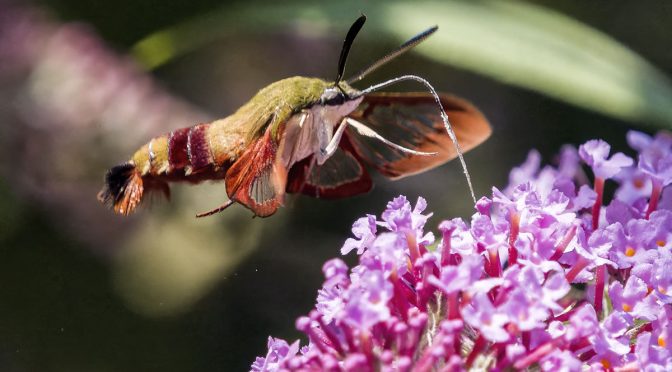
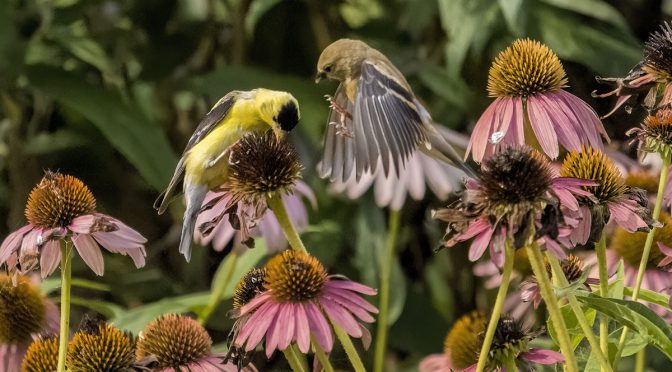
The number of Pro Capture choices that can be created with almost every attempted image run is both incredible and addicting. After using Pro Capture H and L for a number of years now, I cannot imagine owning a camera that did not have this technology.
This article shares 15 consecutive handheld photographs of two dragonflies briefly meeting. These 15 frames were captured in a total of 1/4 of a second.
This article shares a selection photographs of dragonflies landing and discusses technique, including the use of Pro Capture H to create these images. All of the photographs in this article were captured handheld during a short 90 minute visit to the Royal Botanical Gardens (RBG).
This article shares some recent insect kit field test images and discusses the rationale behind this particular equipment set-up. I suppose when many people think of insect photography the first gear that comes to mind is a macro lens. While I do use a macro lens for insect photography quite often, there are occasions when a macro lens is not a particularly effective piece of kit.
This article features some pond photography done with the M.Zuiko MC-20 teleconverter during a recent visit to the Royal Botanical Gardens. One of the reasons that I purchased the MC-20 2X teleconverter was to increase my reach when doing pond photography, and capturing images of frogs, dragonflies and blossoms.
For many people appreciating nature is a passion in their lives, and a cornerstone of their love of photography. Our readership family recently lost a long time member, Milton Joel Bateman. This article shares a selection of images from nature… and is dedicated to Joel and his love of nature photography.
As innovations with mirrorless camera technologies continue to grow, the availability and use of fast frame rates has become more prevalent.
Some of us ‘mature folks’ remember that it wasn’t that many years ago that a continuous auto-focusing frame rate that even approached 10 frames-per-second was thought to be ‘blazing fast’. A lot has happen over the past decade or so.
As photographers it can be instructive to go back through some old files and attempt some do overs in post processing. A lot has changed over the past number of years with more software programs using AI (artificial intelligence) technologies. Sometimes these advancements in software can make a significant difference, especially with images captured with small sensor cameras. Do overs can be very beneficial.
Anticipating behaviour (an important component of knowing our photographic subjects) is one of the three most important factors that contributes to us being successful bird and nature photographers. In my view, it is the most important factor.
It is interesting to consider camera product compatibility and differentiation, as sometimes these factors can work at cross purposes. There are photographers who feel that OMDS should make its proprietary computational photography technologies compatible with lenses from other manufacturers. And, that OMDS should expand the compatibility of these technologies further down its own product line to include less expensive lenses.
Some other photographers are upset that Canon appears to be ready to bar third party lens manufacturers from using its new camera mount and suing them if they attempt to reverse engineer the design. Some folks wonder if this could eventually lead to third party lens manufacturers disappearing down the road.
This article features five consecutive images of a dragonfly tussle that occurred during an August 2022 visit to the Royal Botanical Gardens (RBG). I had been photographing dragonflies taking off and landing on some of the pond plants at the RBG when this interaction transpired.
This website celebrates the joy of photography and features a wide range of photographic subject matter. The content is designed to appeal to a wide range of people interested in photography. The website also provides information to help readers increase their level of photographic freedom.
You cannot copy content of this page
We use cookies to ensure that we give you the best experience on our website. This is an advertising free website and we do not use any kind of advertising tracking cookies. Your email address or any other information you provide as your subscription to the website is never sold to any other party. If you subscribe to this website your email address is used to send out notifications on new articles. If you continue to use this site we will assume that you are happy with our approach to cookie use.