

This short article provides a carbon footprint update related to some decisions that we’ve made over the past few years in support of the environment. Whether each of us has any concerns about the environment on an individual basis, is a matter of personal choice. This article is simply an informational update for those readers that are interested in this topic.
NOTE: Click on images to enlarge.

As regular readers will know, last year we decided to upgrade our old natural gas furnace and dated air conditioner to an inverter heat pump system.
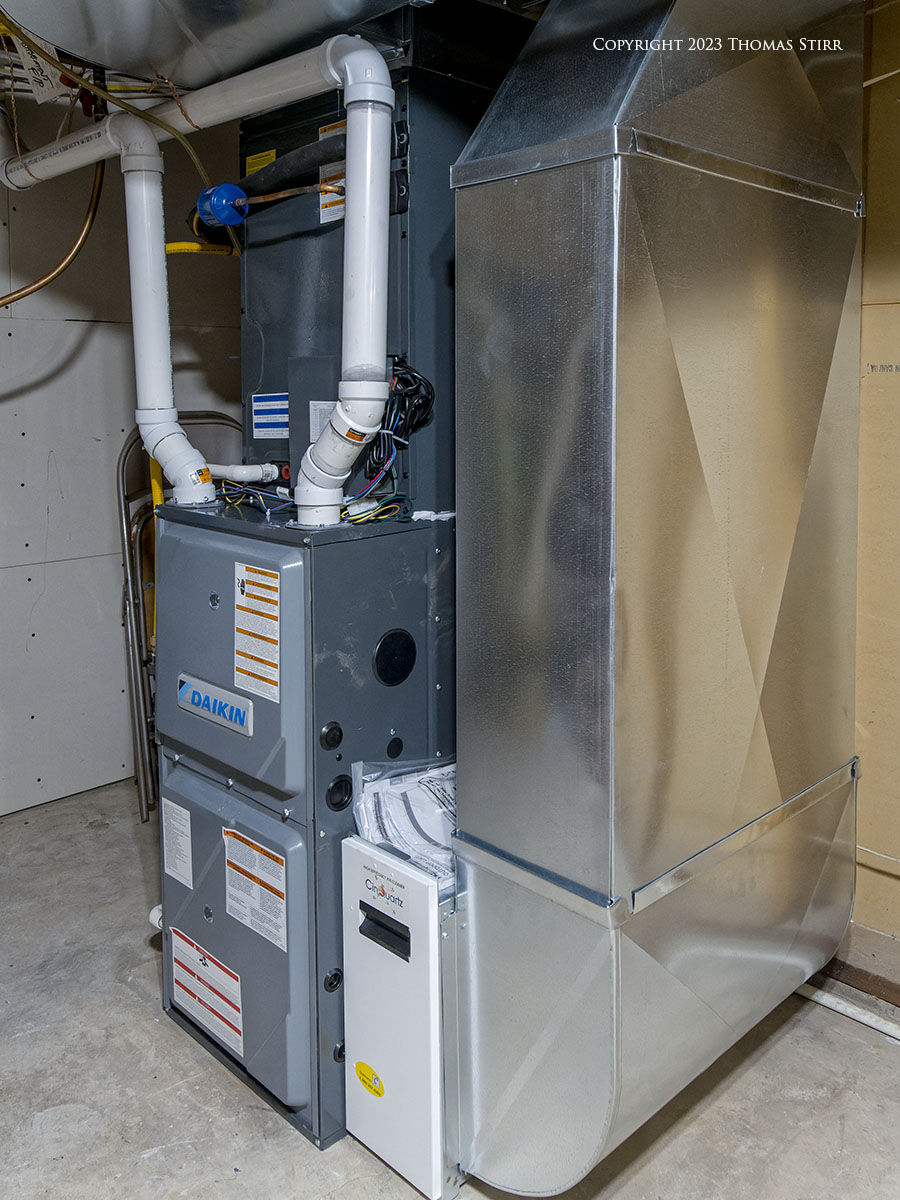
We chose to have a matched natural gas furnace as our back up heat source to help deal with very cold weather. This integrated system operates seamlessly as the two major components are in constant communication and automatically adjusts based on temperature and heating demands.

We have now been through a complete heating season so we can examine the impact of our heating/cooling system change on our carbon footprint. Overall, our natural gas consumption to heat our home decreased by over 80%.
This, combined with some other changes we made, resulted in us reducing our carbon footprint for our home by approximately 2,820 Kgs or about 6,200 pounds in the first year with our inverter heat pump. Our local grid power is provided through hydroelectric generation.

Our plug-in hybrid automobile continues to perform very well on the environmental front. During 4.5 years of operation we have driven over 70,000 Kms (~43,400 miles). During this entire ownership period we have averaged 2.0 litres/100 Kms (~118 miles per US gallon, 141 miles per Imperial gallon) in terms of fuel economy.
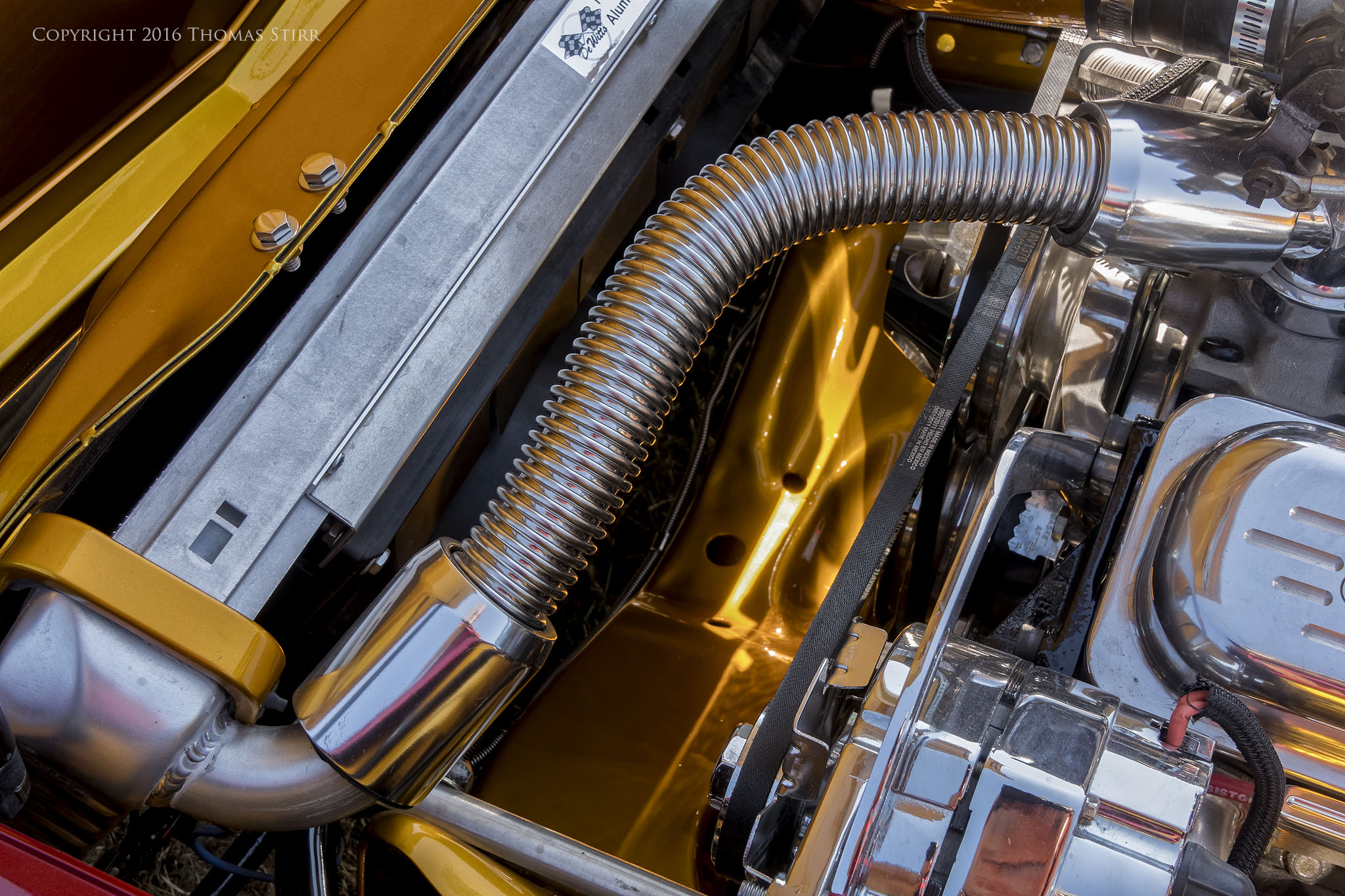
This is a significant reduction in gasoline consumption compared to the old vehicle that it replaced. Since one litre of gasoline produces 2.3 Kg (~5.5 lbs.) of CO2 when burned, we estimate that our plug-in hybrid has reduced our carbon footprint by about 12,880 Kg (~28,336 lbs.) over the past 4.5 years. Or, an average of 2,862 Kgs (~6,300 lbs.) per year.

Earlier in 2024 my wife and I transitioned to a whole food, plant based diet (WFPB). While avoiding processed foods, and eliminating meat, fish, seafood, eggs and dairy from our diet was done for health and longevity objectives, it also helped further reduce our carbon footprint. We estimate this at about 1925 Kgs (~4,235 lbs.) per year.

Having children… and now grandchildren… has provided us with the motivation to try to reduce our negative environmental impact on the world we are leaving behind to the next generations.

In summary, based on decisions we’ve made in the past we’ve reduced our carbon footprint by about 8,030 Kgs (~17,700 lbs.) over the past 12 months.
Technical Note
Photographs were captured handheld with the camera equipment noted in the EXIF data. All images were created from RAW files using my standard process in post. This is the 1,393 article published on this website since its original inception in 2015.
Word of mouth is the best form of endorsement. If you like our website please let your friends and associates know about our work. Linking to this site or to specific articles is allowed with proper acknowledgement. Reproducing articles, or any of the images contained in them, on another website or in any social media posting is a Copyright infringement.
Article is Copyright 2024 Thomas Stirr. Images are Copyright 2014-2023 Thomas Stirr. All rights reserved. No use, duplication or adaptation of any kind is allowed without written consent. If you see this article reproduced anywhere else it is an unauthorized and illegal use. Posting comments on offending websites and calling out individuals who steal intellectual property is always appreciated!