
Visual expression has been integral to human existence for thousands of years with the earliest drawings dating back about 75,000 years.
It is estimated that some engravings on shells created by Homo Erectus go back as far as 500,000 years, although experts disagree whether these artifacts can be classified as art.
NOTE: Click on images to enlarge. To view this article in a range of other languages click on the Canadian flag in the upper right hand corner.
As photographers we have total freedom to produce images that resonate with our creative spirit. We also have the freedom to adapt and creatively modify our photographs as we see fit.
There are some folks in the photographic community that view photographic adaptations as a form of heresy.
What a specific photographer chooses to do with their images has got nothing to do with whether another person likes what has been done or not.
There is no photographic approval panel sitting in the sky that passes judgement on what we create. Following our inspiration and allowing our visual expression to find its own path, is how we grow as photographers and artists.
Is there a risk in posting our work online? I suppose it depends on how one defines risk. Is there a risk that our intellectual property can be stolen by unscrupulous people? Yes… I’ve experienced that kind of theft personally. 🙁
Is there a risk involved with publicly displaying our work if it generates criticism and negative comments? Actually there isn’t any risk at all… unless our self esteem is wrapped up in what other people think of us, and the photographic work that we create.
Hmmm… logically this approach to life… when we actively seek approval from others… has got nothing to do with our “self esteem” but rather our lack of it.
We give others power over us when we choose to care about how they evaluate us, and what we produce. Seeking “other esteem” holds us back, and restricts our creative vision as photographers.
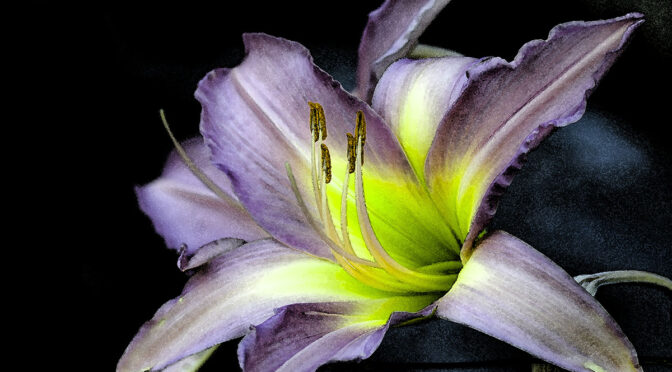
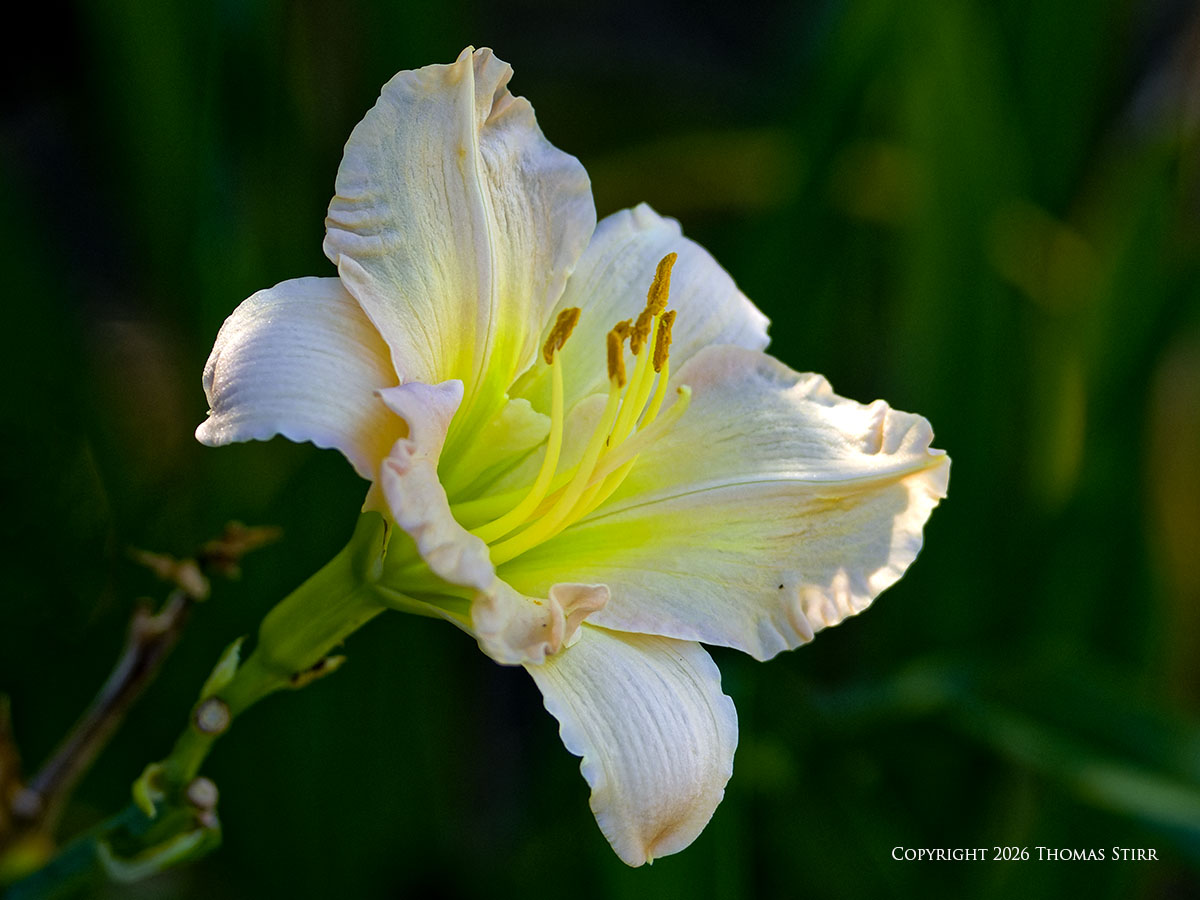
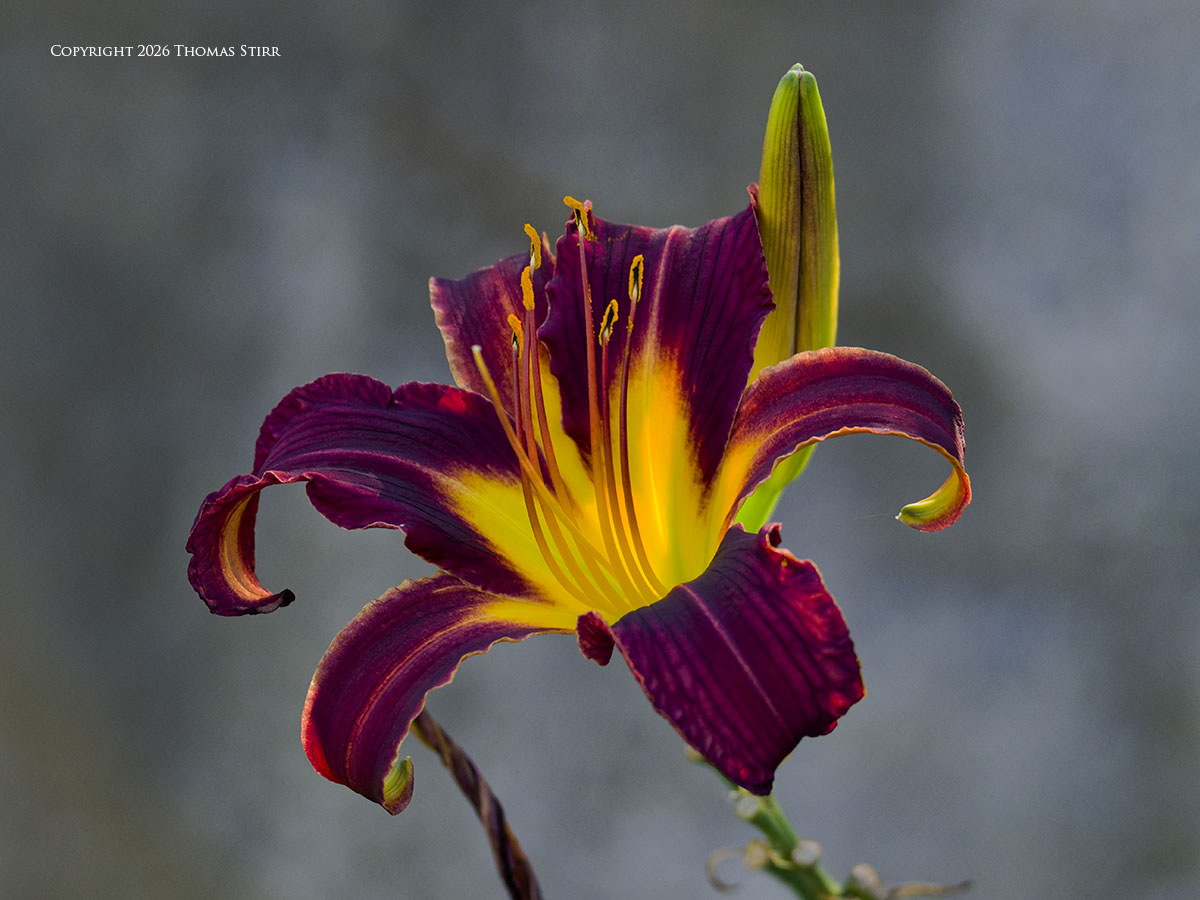
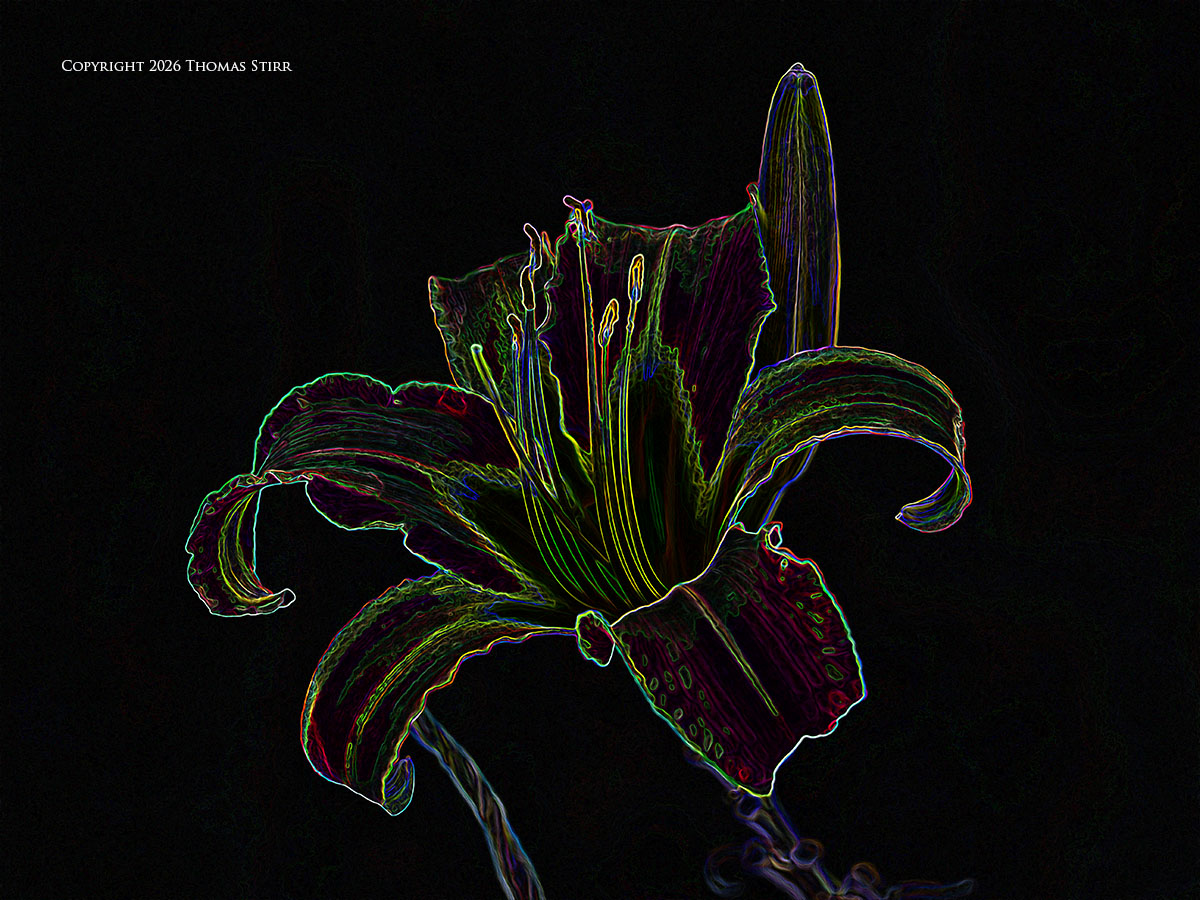
So… let’s have some fun with a few images of blossoms that have had some photo art adaptations done to them. You may like some of them… or you may hate them all. C’est la vie!
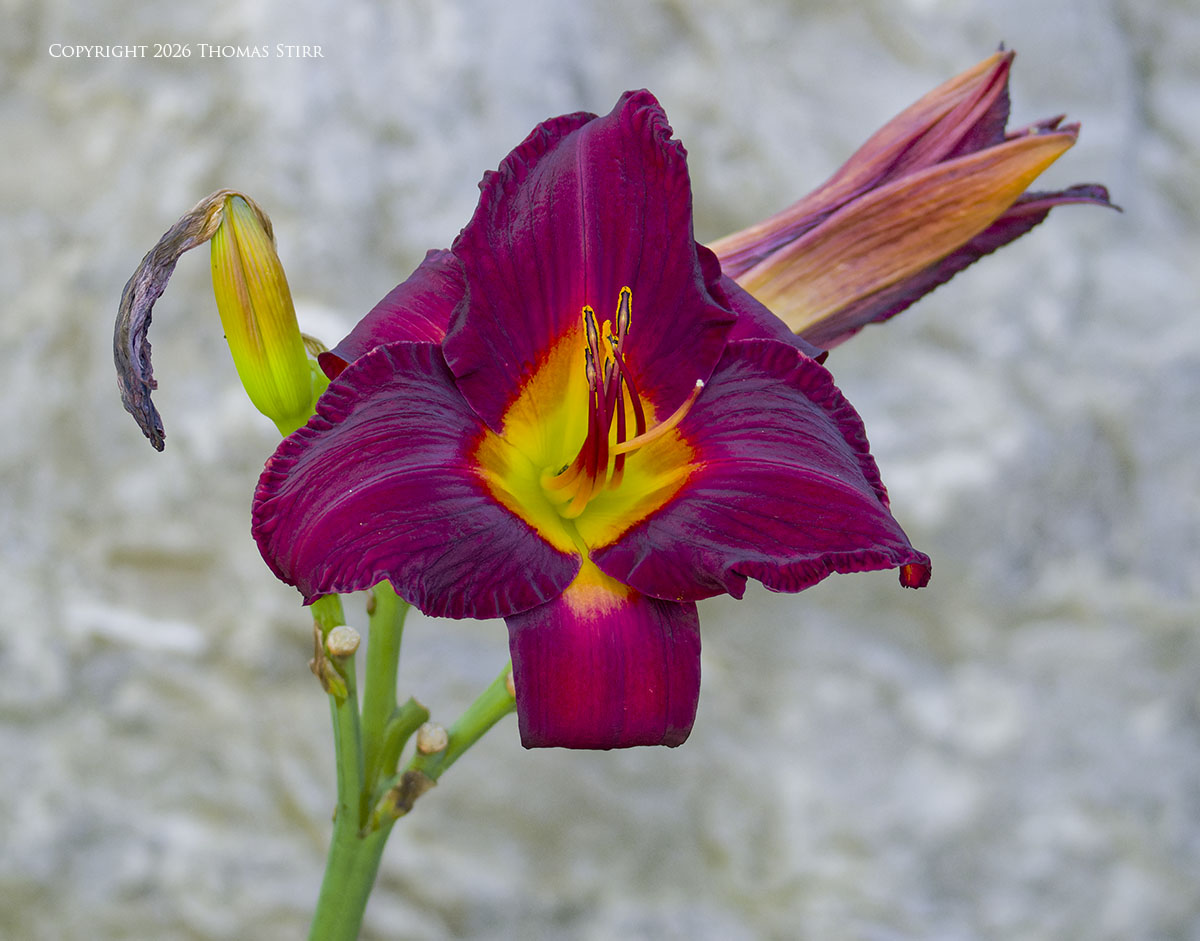
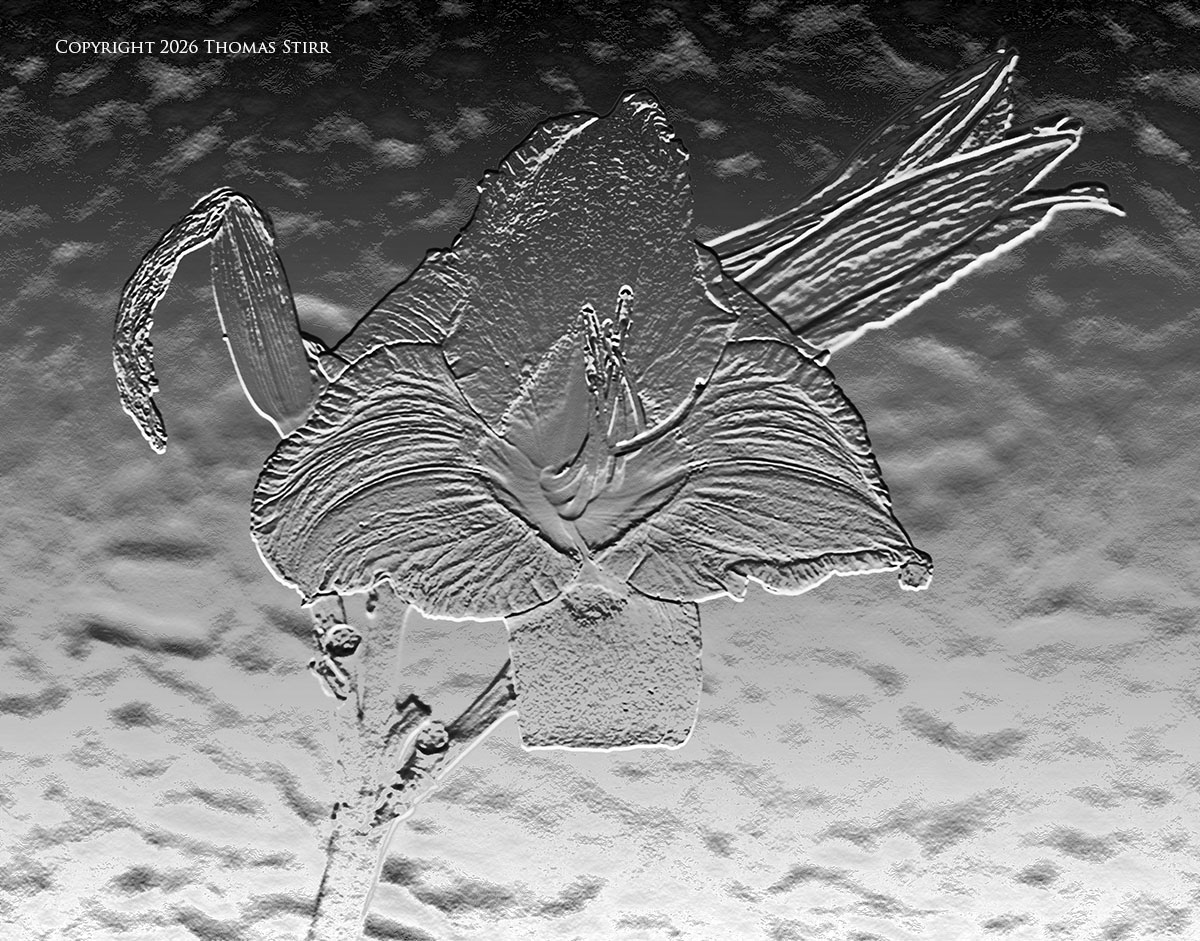
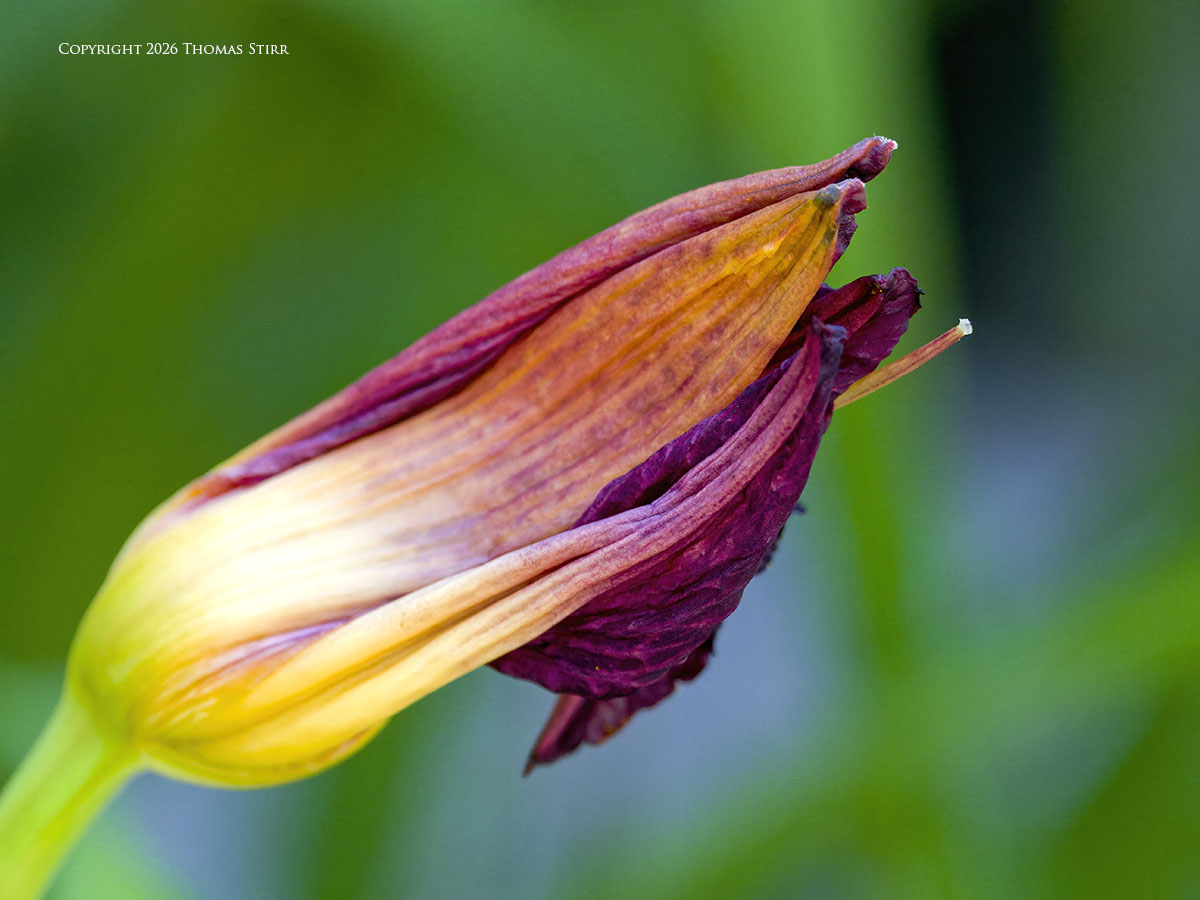
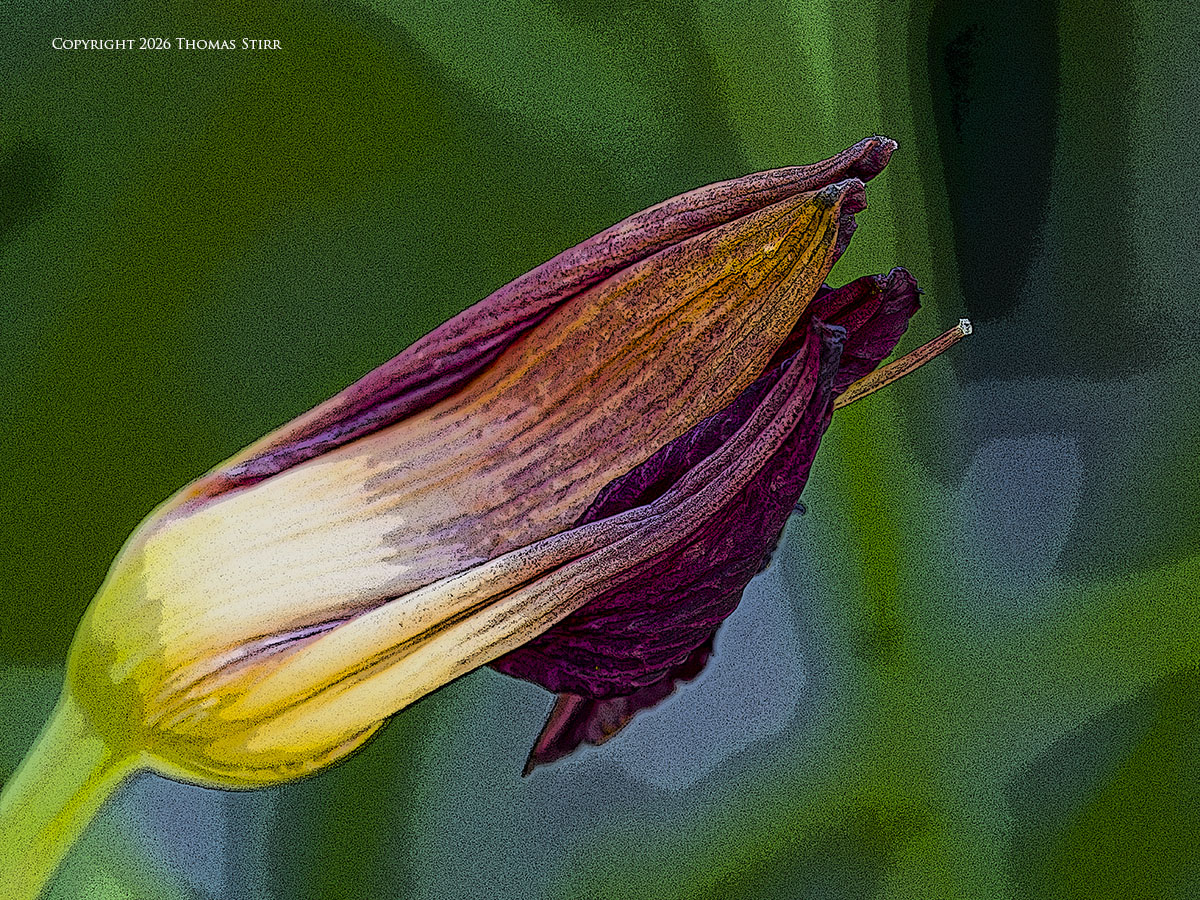
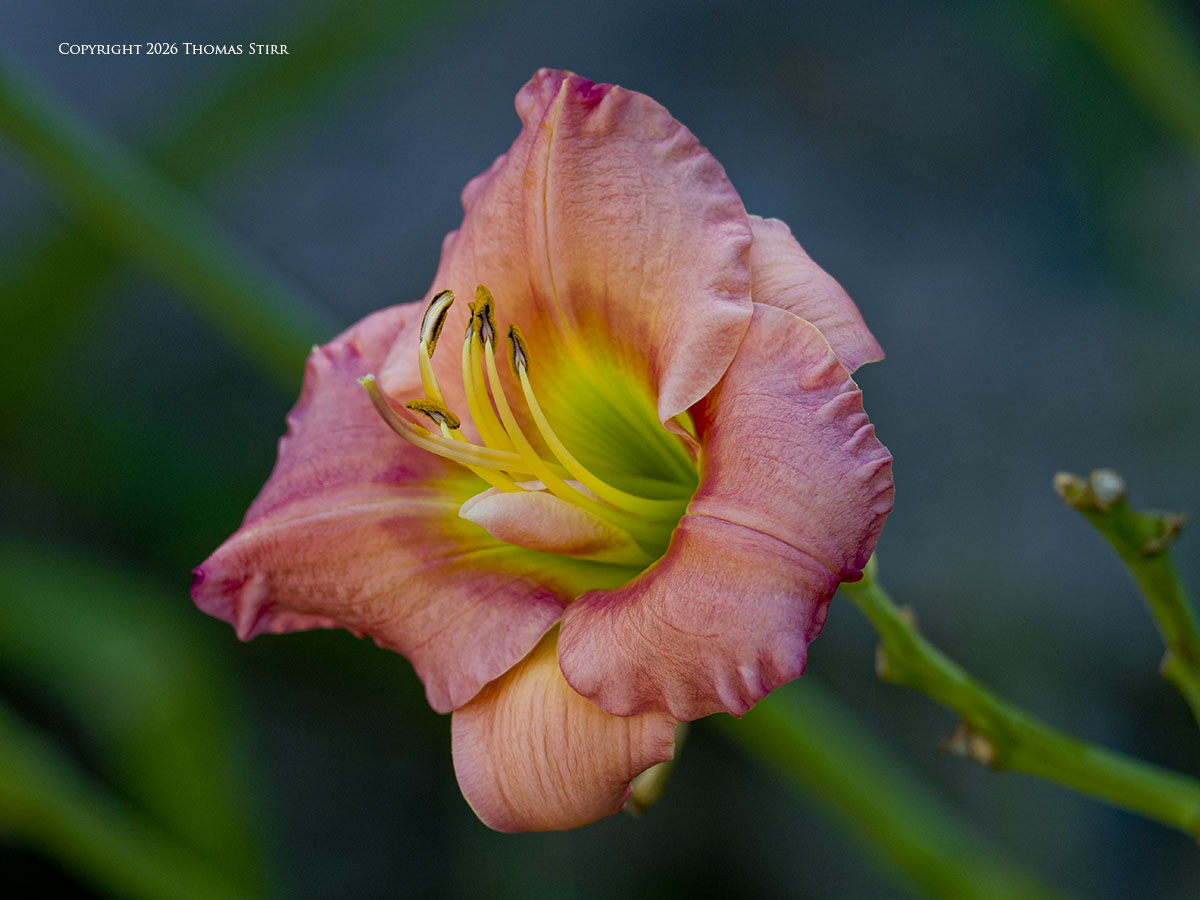
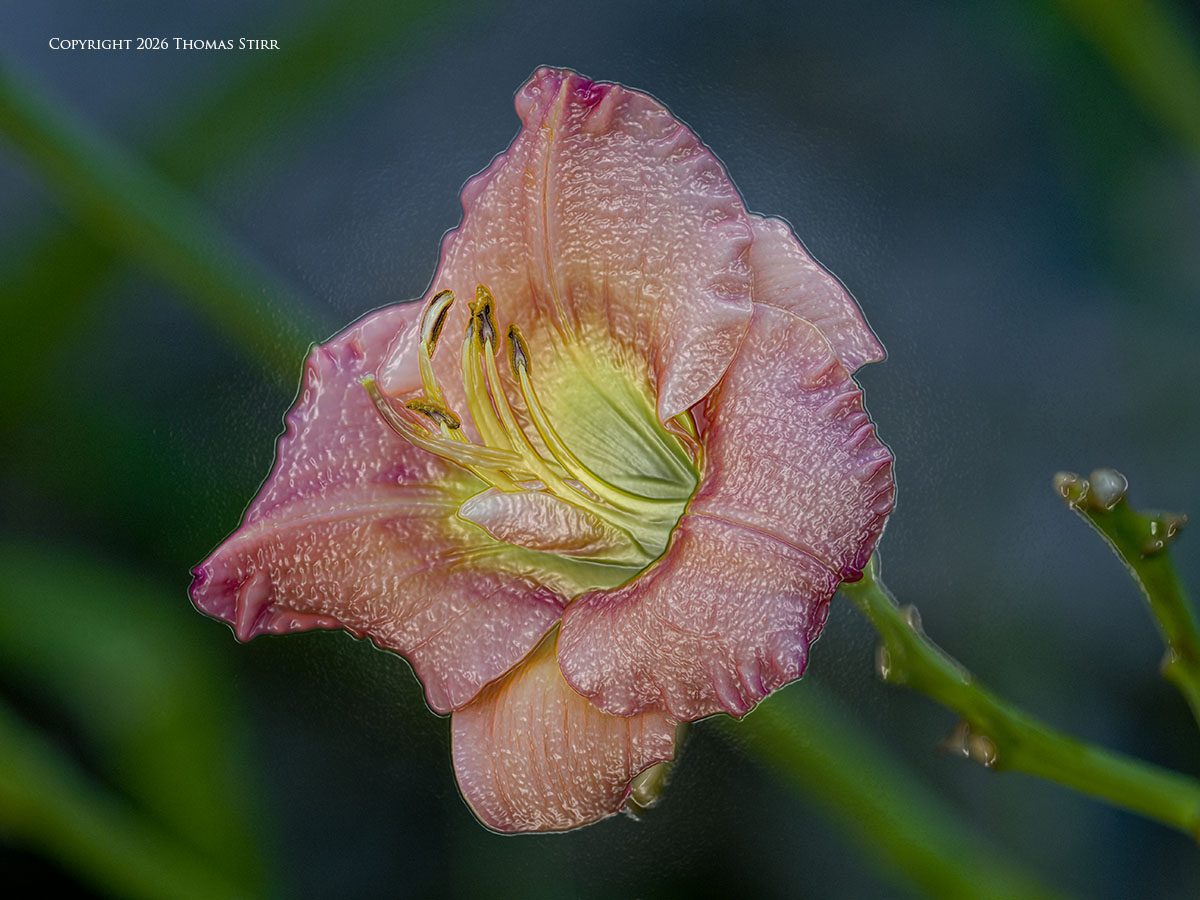
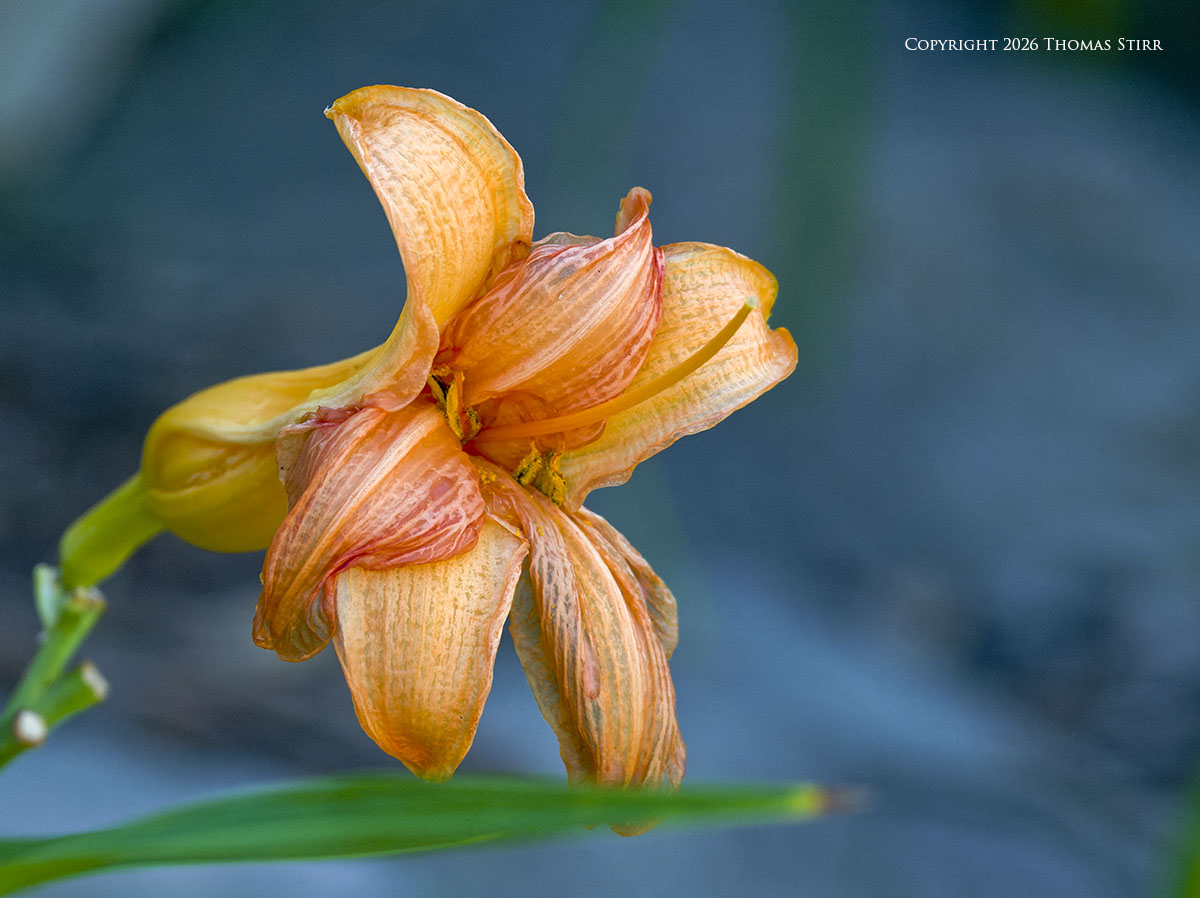
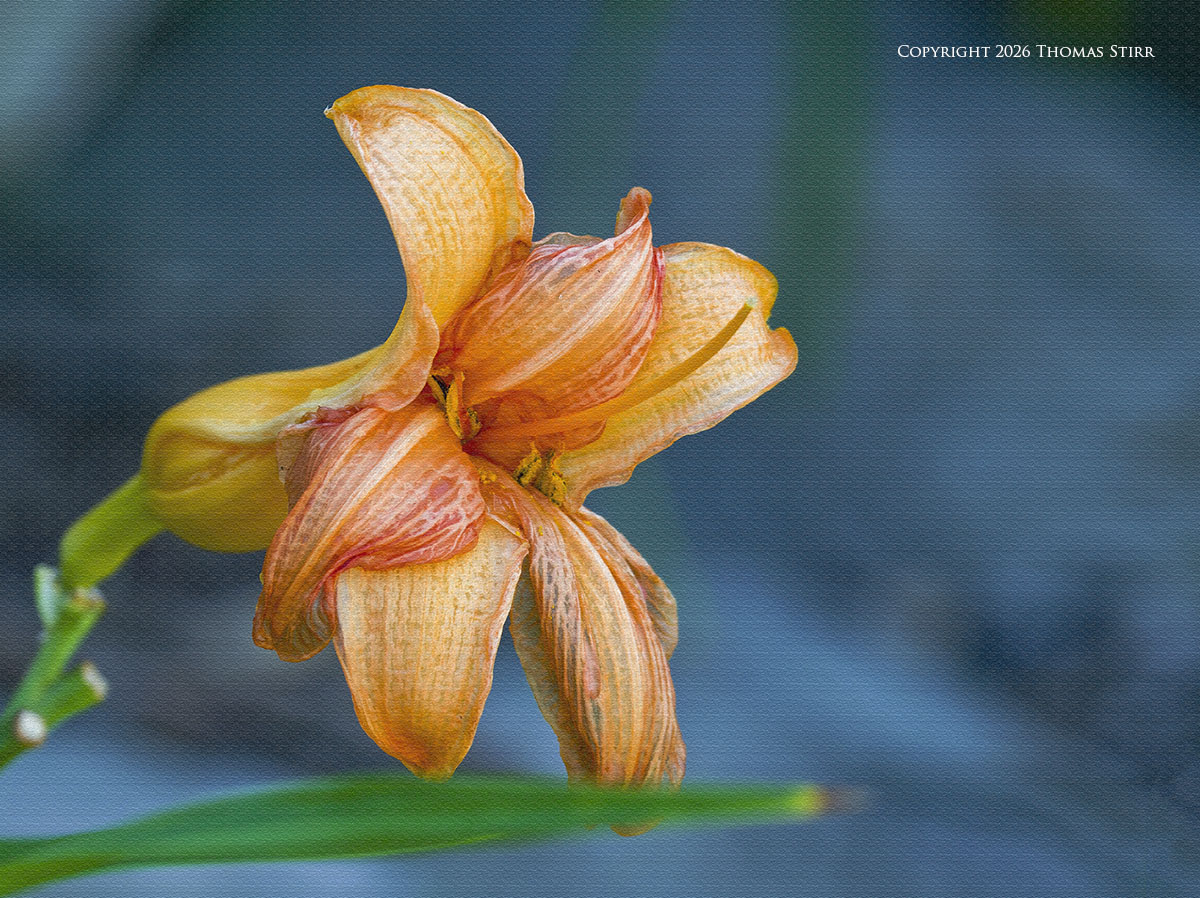
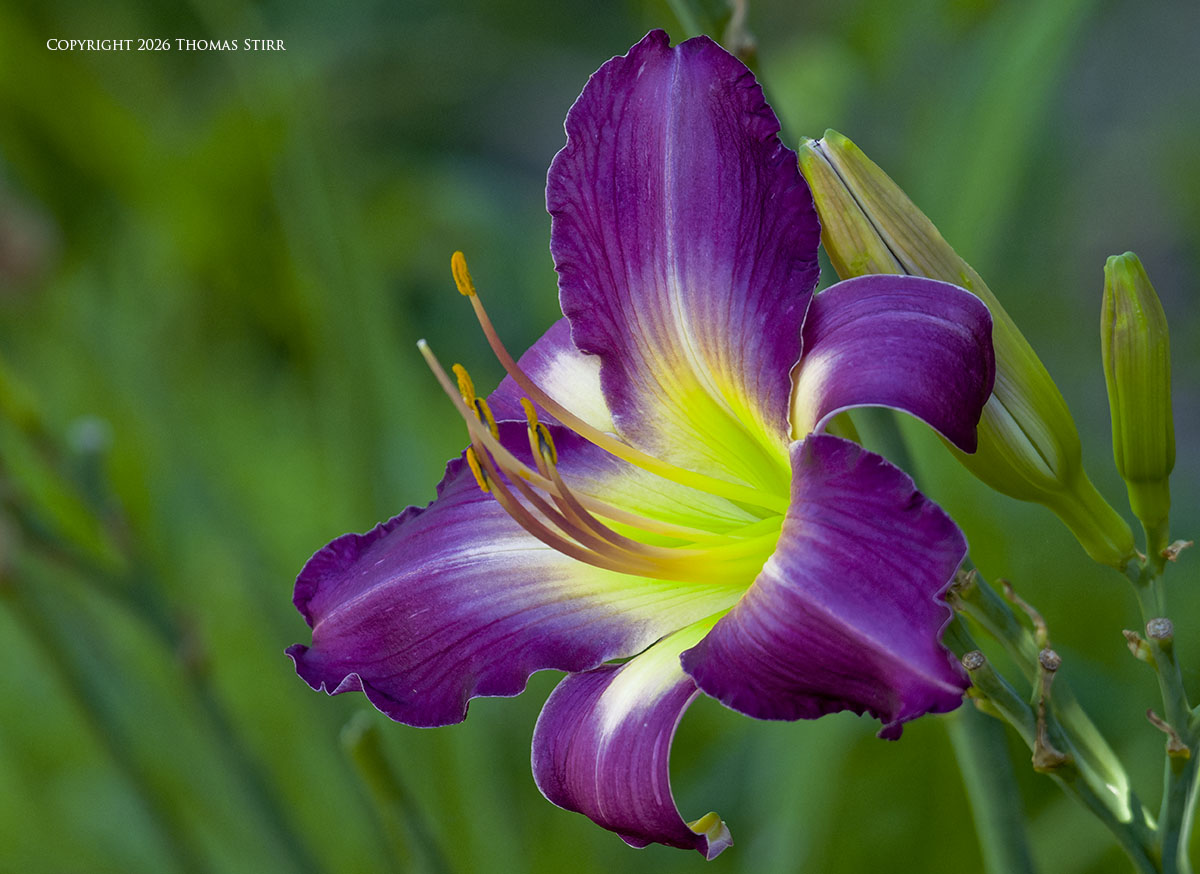
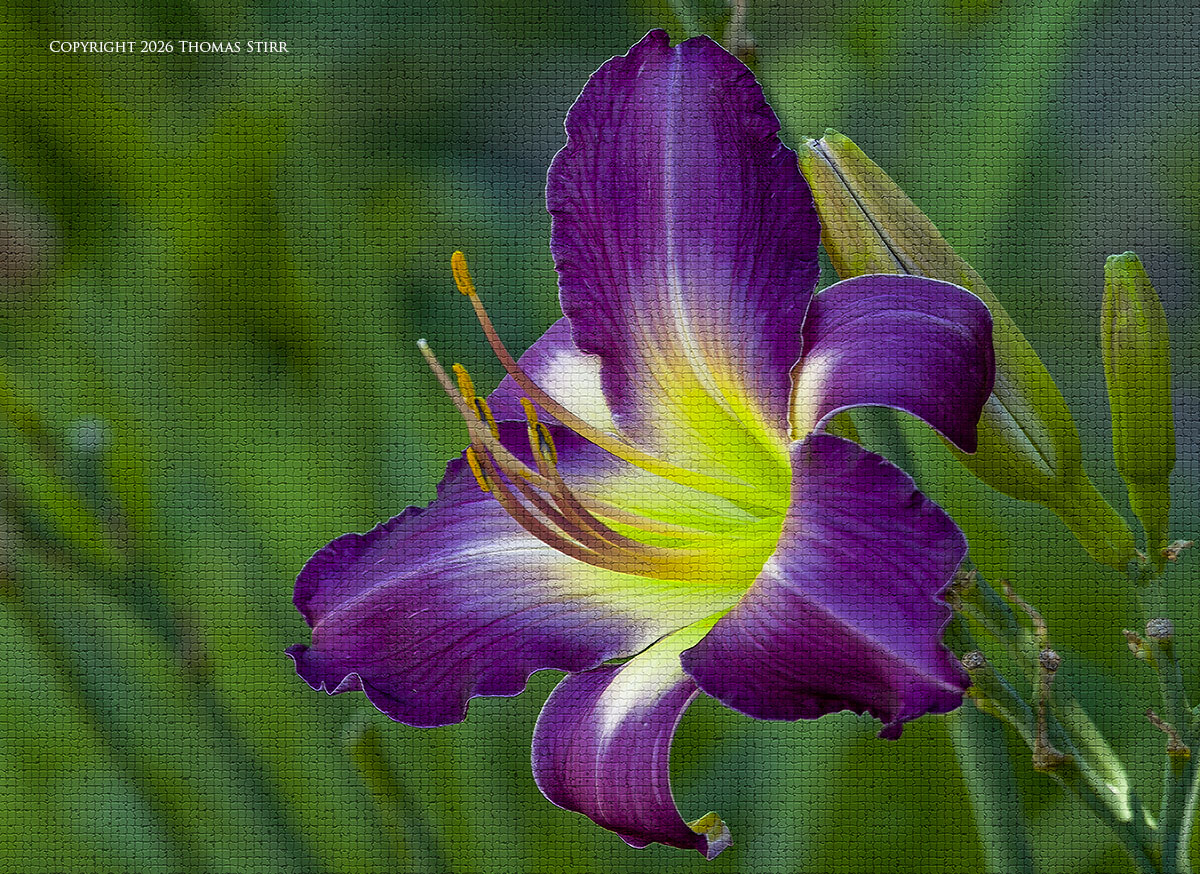
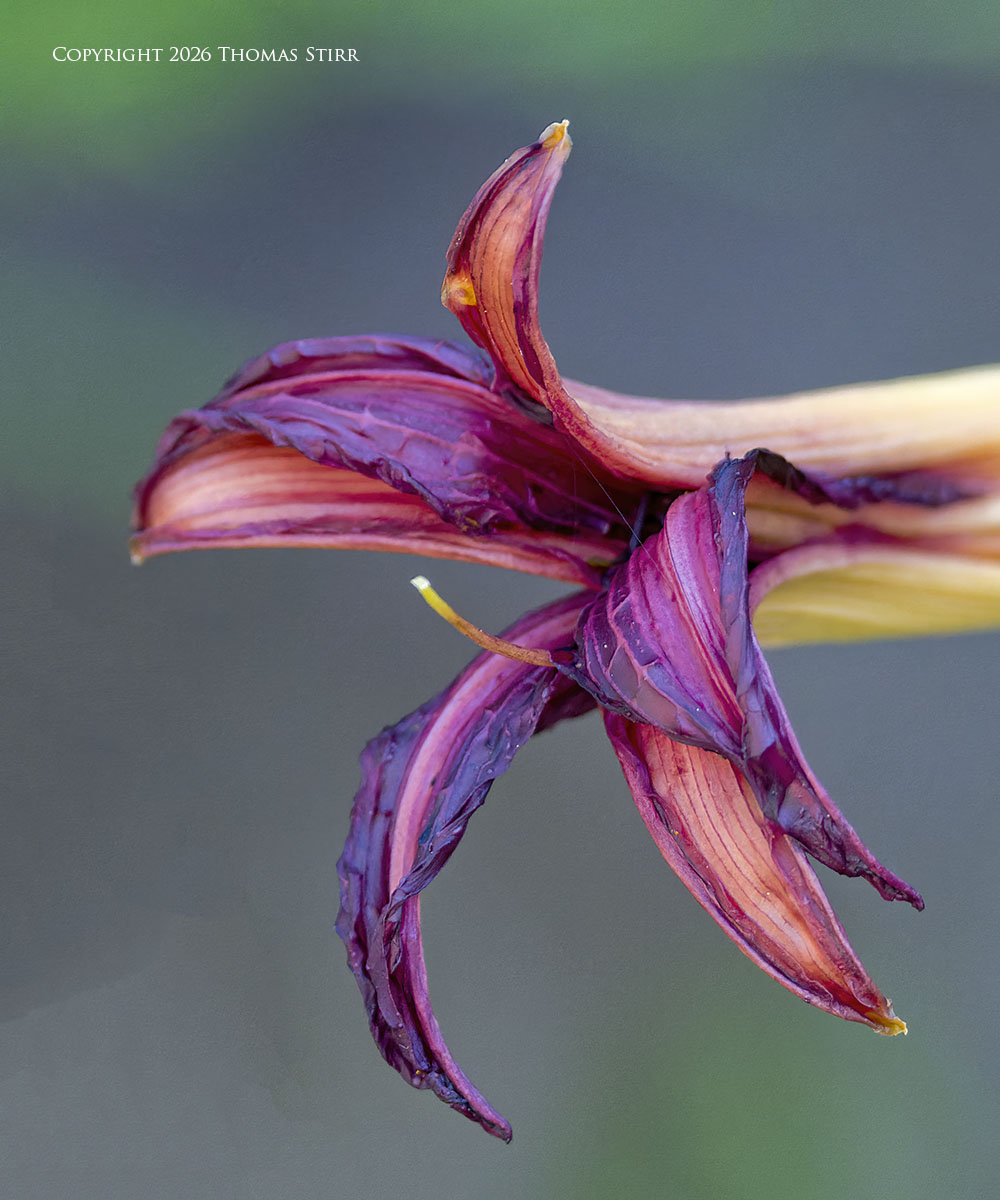
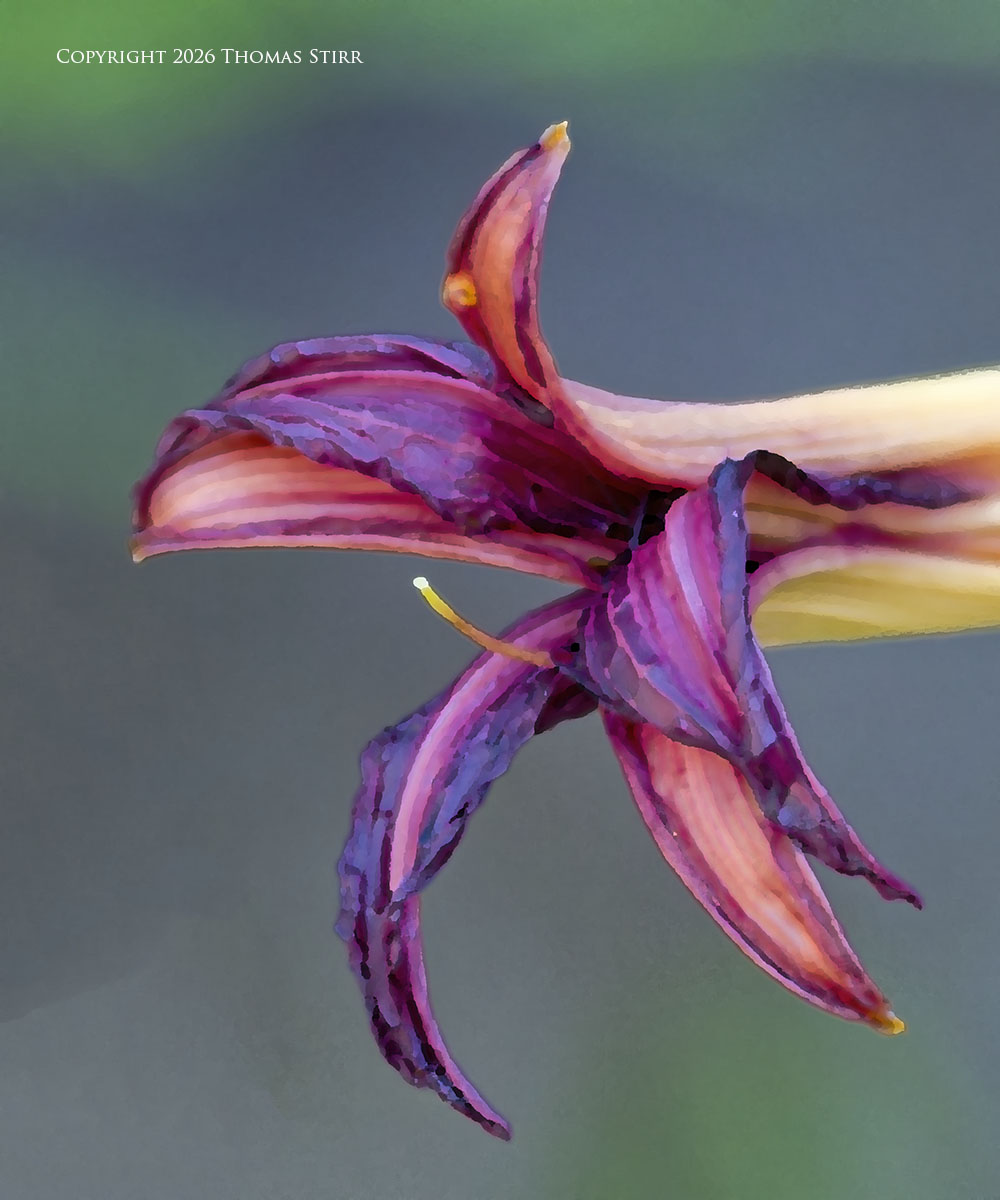
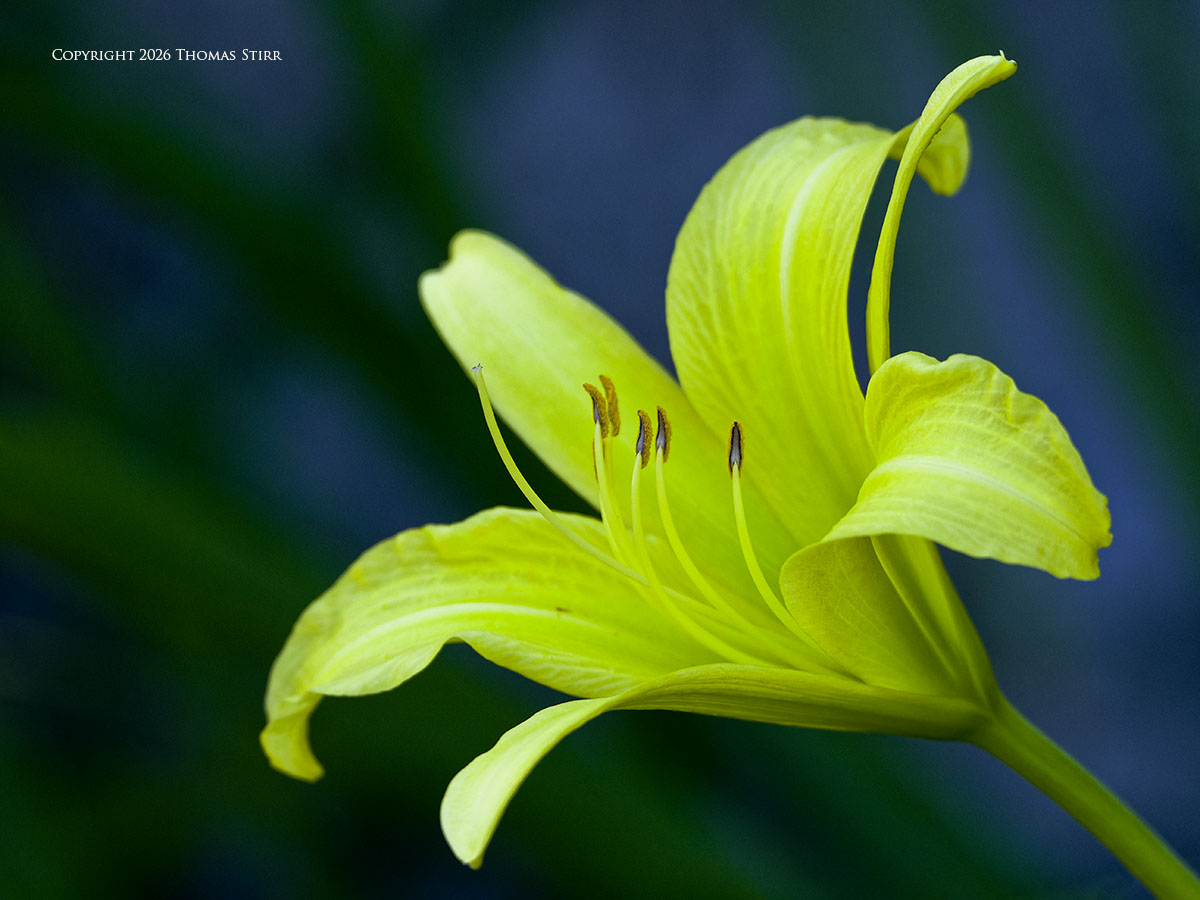
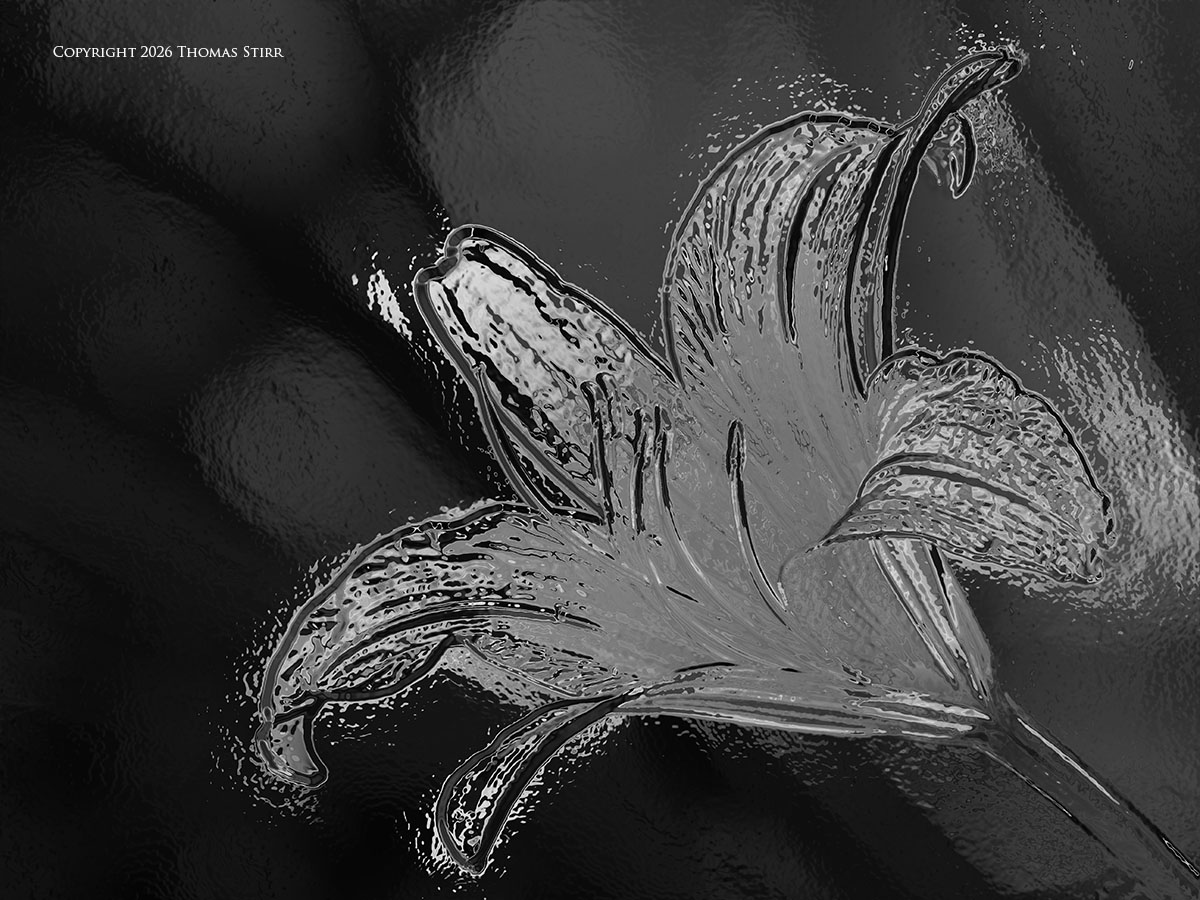
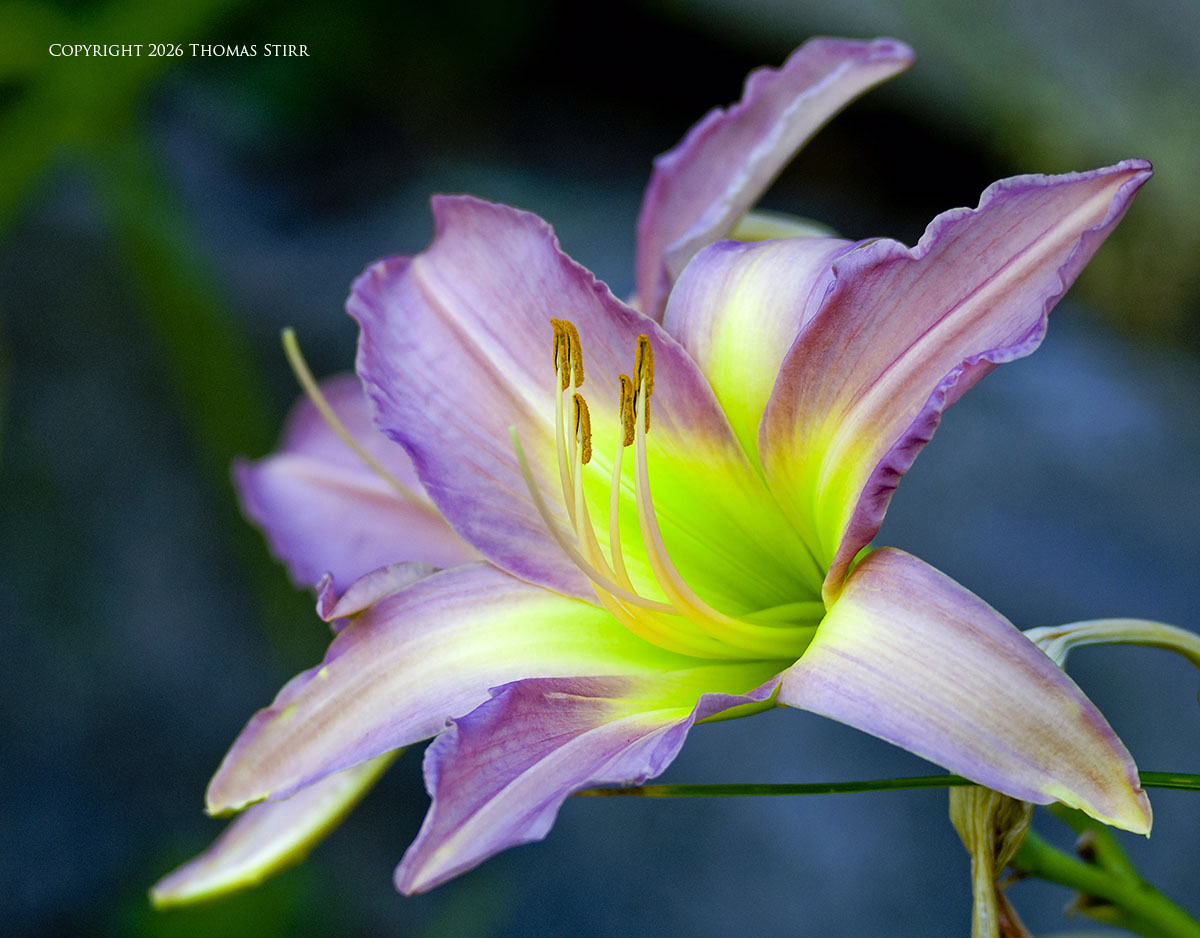
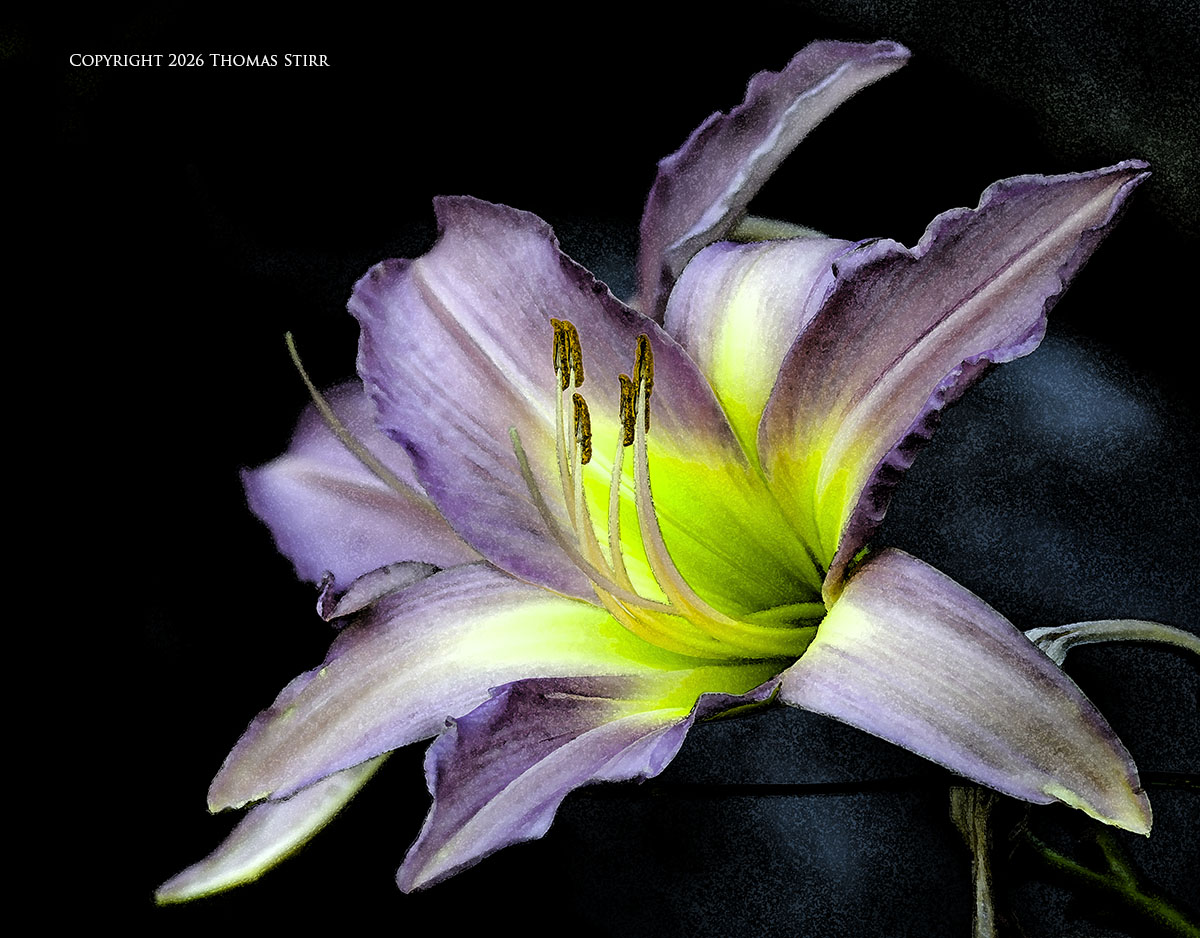
The objective of this article is very simple… to encourage folks to stop caring about what other people think of their photography. Have confidence in where your inspiration takes you, and trust in your need for visual expression. Create for the simple joy of it.
Do what you want to do with your photography and release your creativity from the shackles that are formed by caring about what other people think!
Technical Note
Photographs featured in this article were captured handheld using camera gear noted in the EXIF data. Images were created from RAW files using my standard process in post. Photographic art treatments have been added to various images as noted in the EXIF data. This is the 1546 article published on this website since its original inception in 2015.
Copyright
Word of mouth is the best form of endorsement. If you like our website please let your friends and associates know about our work. Linking to this site or to specific articles is allowed with proper acknowledgement. Reproducing articles, or any of the images contained in them, on another website or in any social media posting is a Copyright infringement.
Article and images are Copyright 2026 Thomas Stirr. No use, duplication or adaptation of any kind is allowed without written consent. If you see this article reproduced anywhere else it is an unauthorized and illegal use. Posting comments on offending websites and calling out individuals who steal intellectual property is deeply appreciated.
Congratulations! This is my first visit to your website, and i must admit i’impressed -both by the quality of the images and by how long the site has been running
Hi Samuele,
Welcome to our community of readers!
Tom
Excellent, thank you Tom.
Hi Tom. Firstly apologies as you’ve answered this for me once, and I’ve lost the reply!
I use the same body as yourself I.e. OM-D E-M1X. In my opinion your images are truly first class and I’m interested in what your RAW processing process path is. I know you’re not in favour of extolling the virtues of one software package against another, and I’m fully in favour of that approach , but having studied your images I’m keen to know how you process them. Fully understand if you haven’t the time or energy to do this. Thank You
Hi Lyndon,
My process is unorthodox… but I’m willing to share it with you. I use up to 5 different software programs. All of them are out-of-date versions.
I begin my process by running all of my files through DxO PhotoLab 7. I have custom presets set up for all of my lens/camera combinations. Some of my custom presets also include subject matter and/or lighting. All of my custom presets include PRIME noise reduction to a maximum of 15. I never use anything stronger in terms of noise reduction when using DxO. I use Smart Lighting Spot adjustment with all of my images and often make some minor, basic slider adjustments. The odd time I may also use MicroContrast.
After that I export a DNG file into a very old copy of PhotoShop (CS6). I make some basic slider adjustments and depending on the needs of an individual image I may use Curves or Levels. The odd time I may make some hue adjustments.
I have the Nik Collection set up as a plug-in to CS-6. I sometimes will use specific functions in Nik like Pro Contrast when needed, but most images don’t require any use of Nik.
If an image needs additional noise reduction I use Topaz DeNoise AI. And, when required I use Topaz Sharpen AI.
I’ve always disliked working in post so most of my focus and effort is on doing the best I can with my original image capture. I only use a single, small AF point so I can be as precise as possible with focusing.
I never do any batch processing and typically do not spend more than 3-4 minutes with a specific image.
Tom