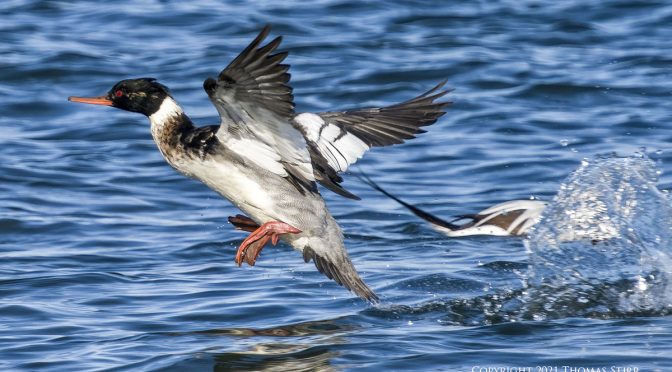
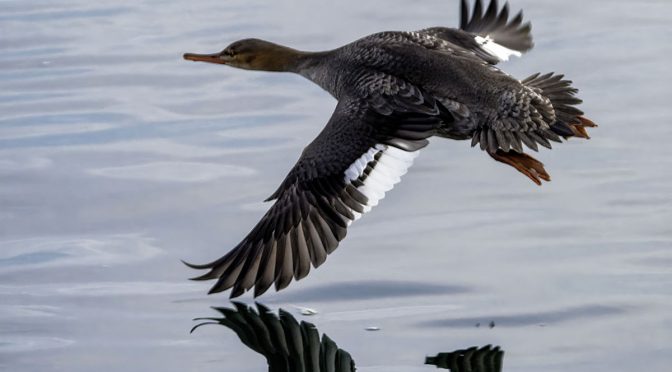
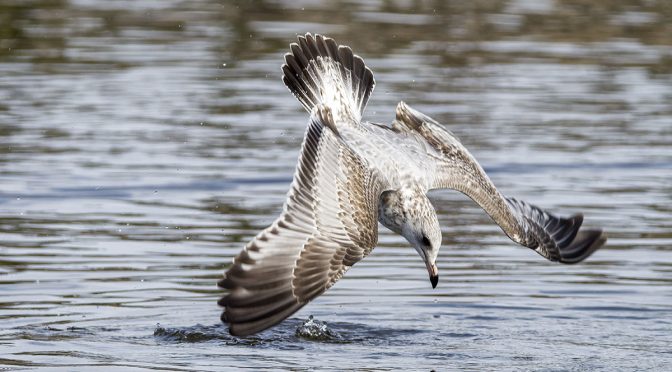
This article discusses using 60 FPS (frames per second) to photograph BIF (birds-in-flight) and shares an extensive collection of handheld images captured a few days ago.
I should apologize in advance for the overall quality of the images in this article. These photographs were captured under very dull, overcast and windy conditions. Not the best for image quality… but very good test conditions if one is inclined to push their camera gear hard as I’m apt to do. 🙂
This article discusses using teleconverters for BIF and some of the practical considerations that come into play with this type of photography. Many people love to photograph birds and really enjoy capturing images of birds-in-flight (BIF). Using long telephoto lenses can be a challenge. This is compounded when teleconverters are added to the mix.
All of the photographs featured in this article were captured handheld in about 2 hours and 15 minutes during a visit to the lift bridge in Burlington Ontario on Tuesday of this week.
On Sunday I went to the lift bridge in Burlington Ontario to photograph longtail ducks and was treated to a bonanza of merganser ducks. Mergansers usually visit this location in mid to late November and stay for 6 to 8 weeks… and sometimes longer.
The longtails usually outnumber the mergansers by a ratio of about 20 to 1, making it difficult to spot the mergansers. Typically there are only a handful mixed in with the longtails. I was pleasantly surprised that there were several dozen mergansers in the area.
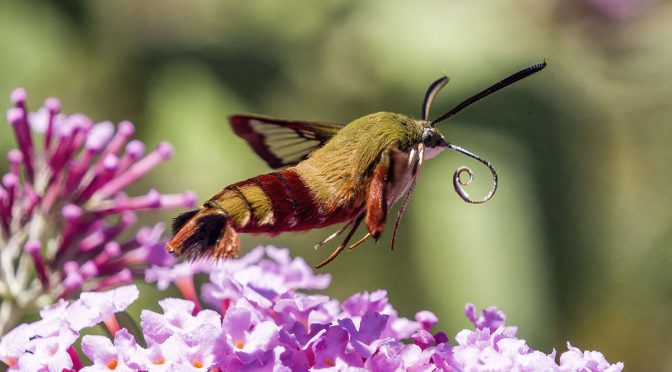
This article discusses why calculating hit rate is irrelevant for me and does not provide me with any actionable information. Also included in this posting are some images of a clearwing hummingbird moth in flight. These images were captured handheld in my backyard on August 4th. Sometimes it takes a while for me to dedicate time to process my photographs. 🙂
This article discusses the potential importance of watching the second bird in a pair, after the first bird has taken flight. More often than not, the second bird will also take flight and follow the flight path of the first bird. This gives photographers a great opportunity to catch the other bird taking flight… especially if they missed the action with first bird.
This short article shares a selection of 10 consecutive images that feature water reflections of a swan charge as the bird raced in my direction. All of the photographs were captured handheld using a combination of the E-M1X’s Bird Detection AI Subject Tracking and Pro Capture L technologies.
This article shares a selection of handheld photographs of American Goldfinches that were captured in my backyard earlier this summer. Although American Goldfinches visit periodically, we don’t typically see them with any regularity until August. By the fall most of the birds have migrated out of the area.
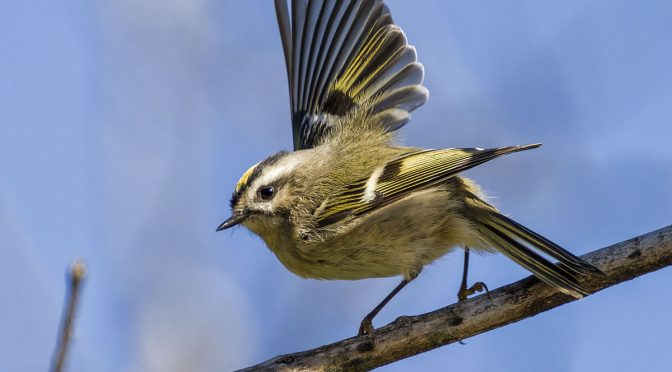
Earlier this week, during a visit to the Royal Botanical Gardens, I was very fortunate to be able to capture a selection of photographs of a Golden Crowned Kinglet. These small, insect eating birds are difficult to photograph as they are constantly on the move as they dart from branch to branch looking for food.
There’s a well-used saying that “Old Habits Die Hard” which is applicable to various areas of our lives including photography. Humans tend to be creatures of habit. We can sometimes find ourselves falling into patterns of behaviour (including some that are counterproductive) without being aware of our habitual actions. The first step in changing old photographic habits is to become aware of them.
This website celebrates the joy of photography and features a wide range of photographic subject matter. The content is designed to appeal to a wide range of people interested in photography. The website also provides information to help readers increase their level of photographic freedom.
You cannot copy content of this page
We use cookies to ensure that we give you the best experience on our website. This is an advertising free website and we do not use any kind of advertising tracking cookies. Your email address or any other information you provide as your subscription to the website is never sold to any other party. If you subscribe to this website your email address is used to send out notifications on new articles. If you continue to use this site we will assume that you are happy with our approach to cookie use.