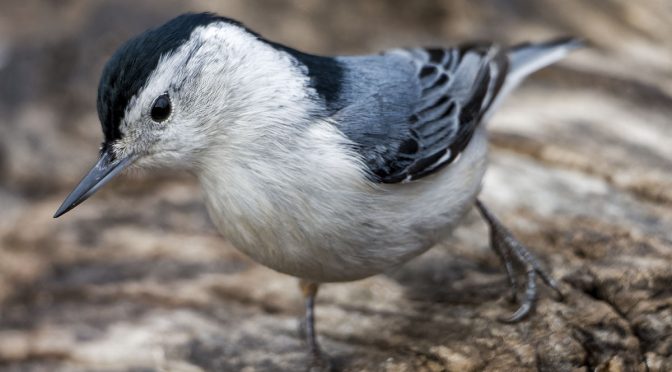
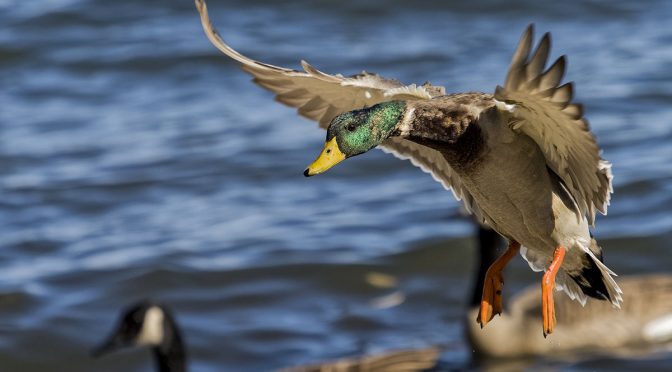
This article discusses the importance of reach and buffer when photographing birds-in-flight, and features 24 consecutive handheld images. All photographs were captured using an E-M1X fitted with an M.Zuiko 100-400 mm f/5-6.3 IS and M.Zuiko MC-14 teleconverter.
The photographs displayed in this article are a part of an AF-C +TR with Bird Detection AI run comprising a total of 33 images. The article begins at frame 9 of that run.
One of the most important things we can do as photographers is understand the choices and control available to us in specific situations. This is, of course, applicable to other facets of our lives.
Over the past while I’ve had a number of emails from readers asking me to write an article on my bird photography settings. To be honest I’ve avoided writing this kind of article in the past simply because the choice of camera settings is a very personal decision.
The way that each of us set up and use our cameras can vary significantly, based on our personal shooting style, and the equipment that we happen to own. When it comes to bird photography settings, significant differences can exist between photographers even when using the exact same camera.
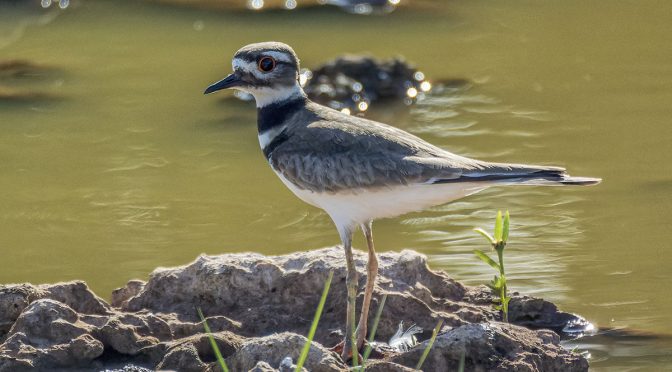
This article discusses photographing killdeer in Cuba and shares a selection of handheld images of killdeer along a stream. Killdeer are a member of the plover family and are found extensively throughout North America, Central America and the Caribbean.
This article discusses cropping bird photographs and provides a number of sample images to illustrate some approaches that can be used. Photographic composition is very subjective. So, you may, or may not, agree with some of the approaches used in this article. The objective of this posting is simply to illustrate some cropping options that can be considered.
This article shares some E-M1X’s Bird Detection AI tips, and is based on experimenting with this technology over the past few weeks. I apologize in advance for using some existing images in this article… but we are in the first week of a new 4 week COVID-19 lock down.
Yesterday I was out photographing ducks using cluster area C-AF. Being new to Olympus I had no idea that this mode of continuous auto-focus was available. After watching a video on using cluster area C-AF that Robin Wong posted, I decided to give it a try.
This lengthy article provides a summary of some of the actions that a photographer can take to practice handheld shot discipline. Many of the actions would also apply to folks who use tripods or monopods. Shot discipline is all about making sure that our camera gear is ready. That we know how to use it to best effect. That we use good camera technique. And, that we remain calm and focused.
This website celebrates the joy of photography and features a wide range of photographic subject matter. The content is designed to appeal to a wide range of people interested in photography. The website also provides information to help readers increase their level of photographic freedom.
You cannot copy content of this page
We use cookies to ensure that we give you the best experience on our website. This is an advertising free website and we do not use any kind of advertising tracking cookies. Your email address or any other information you provide as your subscription to the website is never sold to any other party. If you subscribe to this website your email address is used to send out notifications on new articles. If you continue to use this site we will assume that you are happy with our approach to cookie use.