Over the past couple of days I’ve received a number of personal emails asking me about using Nikon 1 versus Olympus for bird photography. The intent of this article is to describe my experiences using both camera systems. This is a very extensive article, so grab yourself a cup of coffee… or make a pot of tea… and be prepared to spend some time.
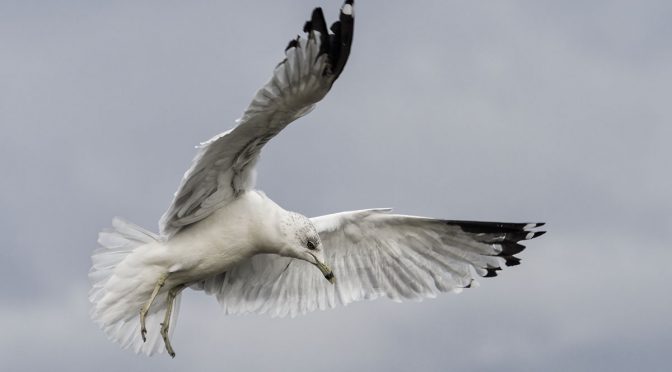
This article features a selection of photographs of gulls with cluster area C-AF. I captured these images this morning during mainly overcast conditions. An earlier article, Ducks Using Cluster Area C-AF, was my first attempt using the cluster area continuous auto-focus capability (C-AF) of my OM-D E-M1X. Rather than push this feature to an extreme, I used it as if this was just a typical outing to photograph birds-in-flight.
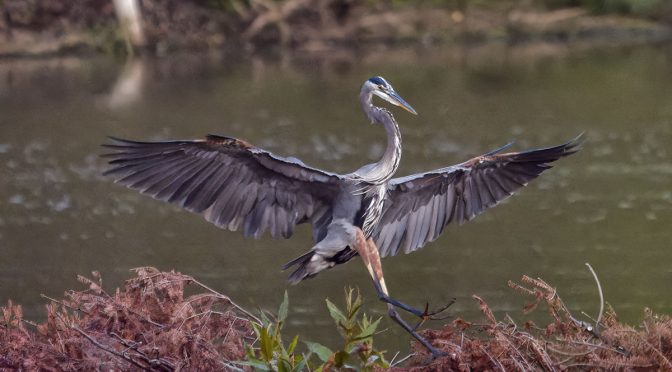
This article features a small selection high ISO heron in-flight images. As regular readers will know, I often push my camera gear past what can reasonably be expected, simply to see what will happen.
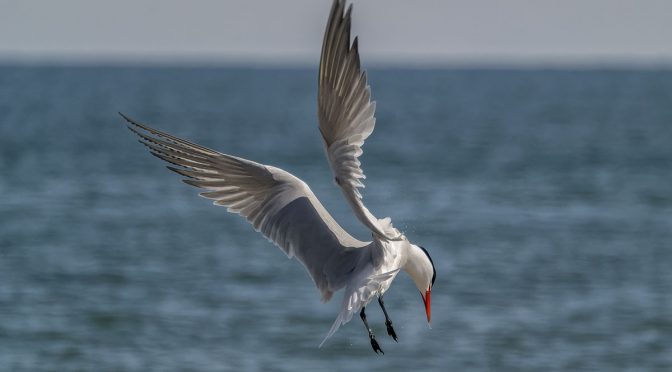
This article features 16 consecutive photographs of a tern in mid-air at 60 fps. These images were captured handheld using a Nikon 1 V2 and a 1 Nikkor 70-300 mm f/4.5-5.6 telephoto zoom lens.
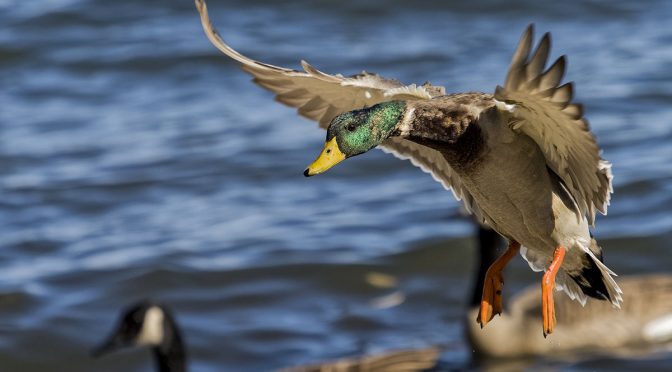
Yesterday I was out photographing ducks using cluster area C-AF. Being new to Olympus I had no idea that this mode of continuous auto-focus was available. After watching a video on using cluster area C-AF that Robin Wong posted, I decided to give it a try.
This short article shares a selection of perched and flying chickadees at ISO-6400, photographed using Olympus camera gear. Obviously using a high ISO is not ideal… but I love these little birds and I do what it takes to get my images.
This short article shares a collection of 15 consecutive photographs of a Silver-cheeked Hornbill taking flight. These images were captured handheld at Bird Kingdom with an Olympus OM-D E-M1X using Pro Capture H mode.
This article provides a summary of a number of points made in earlier articles and provides an overall M.Zuiko 75-300 assessment. Since some folks seem to focus on what this lens isn’t, I might as well state that right up front. This lens isn’t weatherproof and it isn’t designated as a pro lens. What this lens is in spades… is small, lightweight, cost efficient, and a whole lotta fun to use!
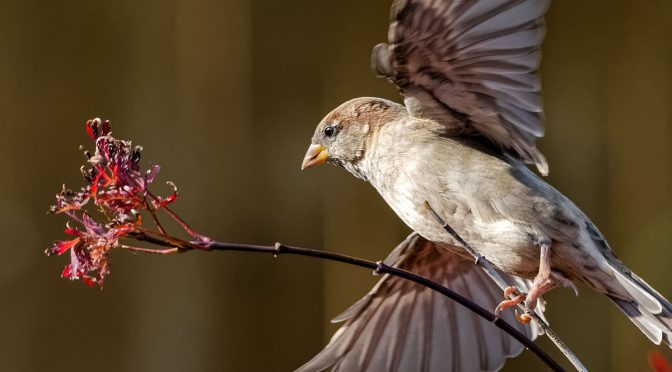
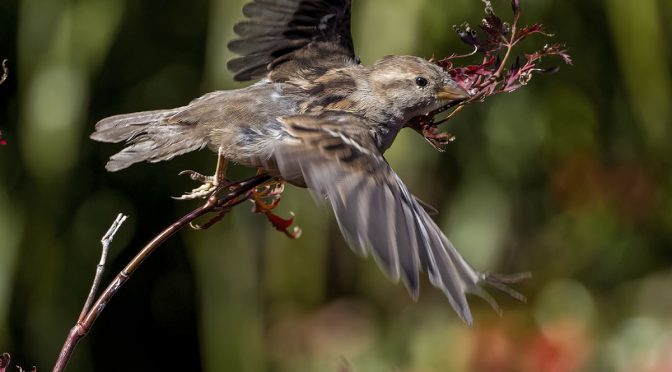
This article features a number of M.Zuiko 75-300 severe crop images of a sparrow in flight. Photographs were cropped to between 2000 and 2660 pixels on the width. This degree of cropping results in photographs that only utilize between 14.9% and 26.5% of the total number of available pixels on the sensor of my Olympus OM-D E-M1X (i.e. 5184 x 3888) being used for the subject bird.
This article features an M.Zuiko 75-300 II Pro Capture H image run of a sparrow taking flight. This sequence was shot with the M.Zuiko 75-300 mm f/4.8-6.7 II wide open at f/6.7, and with the lens fully extended to 300 mm (efov 600 mm). A shutter speed of 1/2500 was used, along with ISO-1600 (Auto-ISO setting used). Exposure compensation was set to -0.7 step. I was situated 4.3 metres (~14 feet) away from the subject bird.
This website celebrates the joy of photography and features a wide range of photographic subject matter. The content is designed to appeal to a wide range of people interested in photography. The website also provides information to help readers increase their level of photographic freedom.
You cannot copy content of this page
We use cookies to ensure that we give you the best experience on our website. This is an advertising free website and we do not use any kind of advertising tracking cookies. Your email address or any other information you provide as your subscription to the website is never sold to any other party. If you subscribe to this website your email address is used to send out notifications on new articles. If you continue to use this site we will assume that you are happy with our approach to cookie use.