

This article shares some recent handheld focus stacked HHFS macro flower images that were captured at the Royal Botanical Gardens. I’ve been experimenting with the in-camera handheld focus stacking technology resident in my E-M1X for a number of years.
NOTE: Click on images to enlarge. To view this article in a range of other languages click on the Canadian flag in the upper right corner.
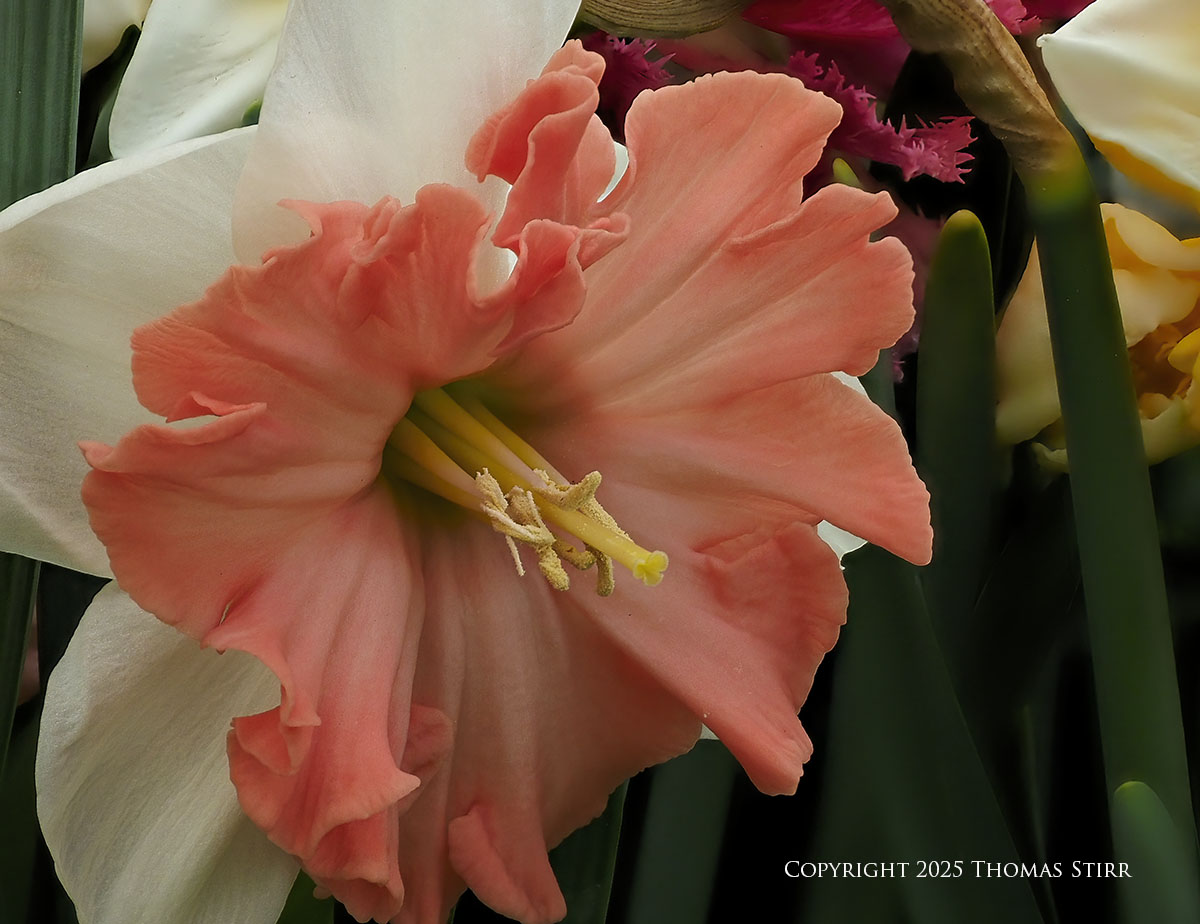
Our existing M.Zuiko 60 mm f/2.8 macro lens has done an excellent job for us… so much so that my wife became interested in macro photography.
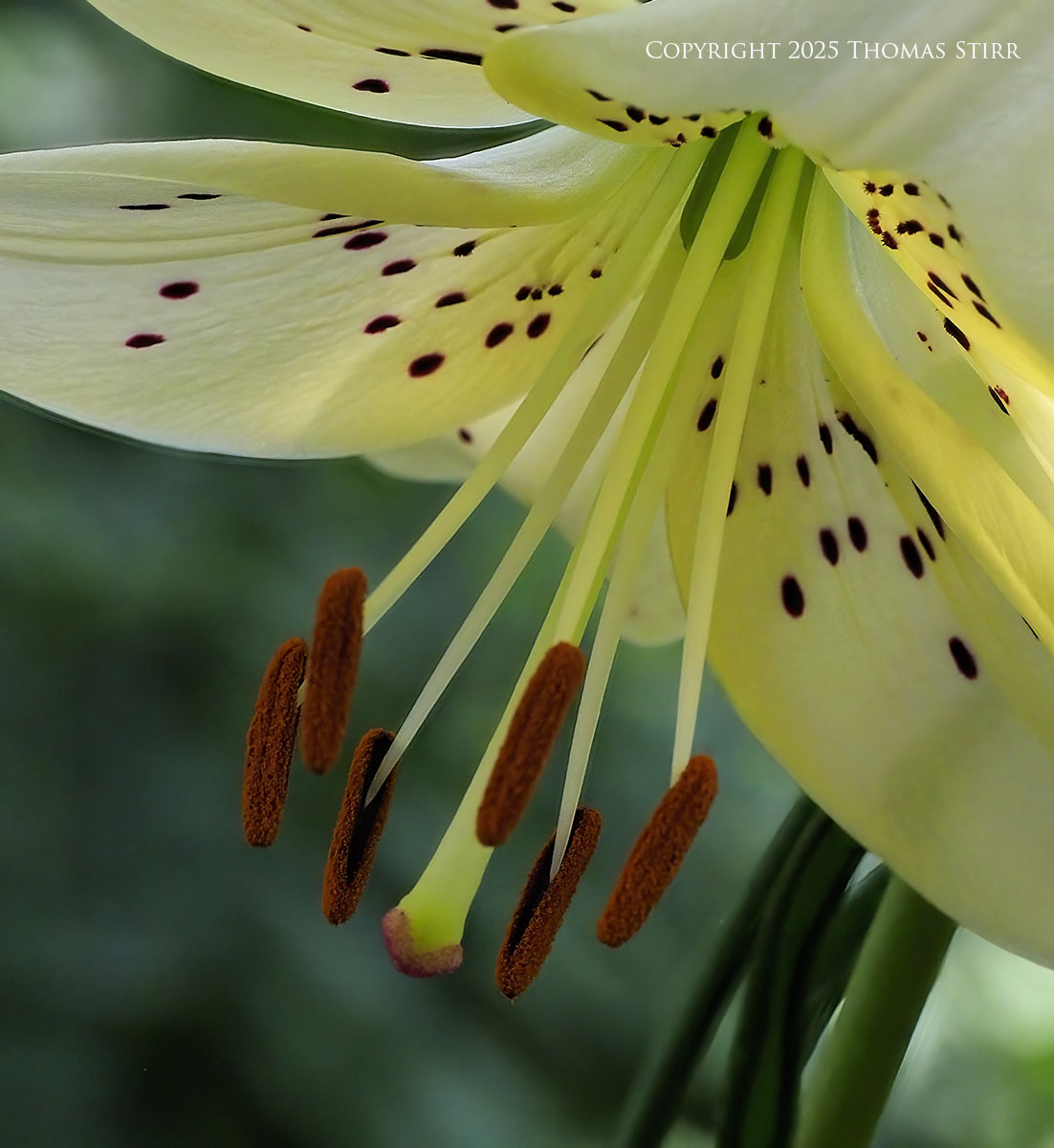
Her interest, coupled with my desire to push my handheld macro photography further, led to us purchasing the M.Zuiko 90 mm f/3.5 PRO IS macro lens last year. Our original M.Zuiko 60 mm f/2.8 macro lens has a new home in her camera bag.

Using the M.Zuiko 90 mm PRO IS macro… like any new lens… required a good amount of field practice in order for me to become reasonably proficient with it.

Having shot with this lens handheld for about a year has allowed me to become very comfortable using it with a range of macro subjects.
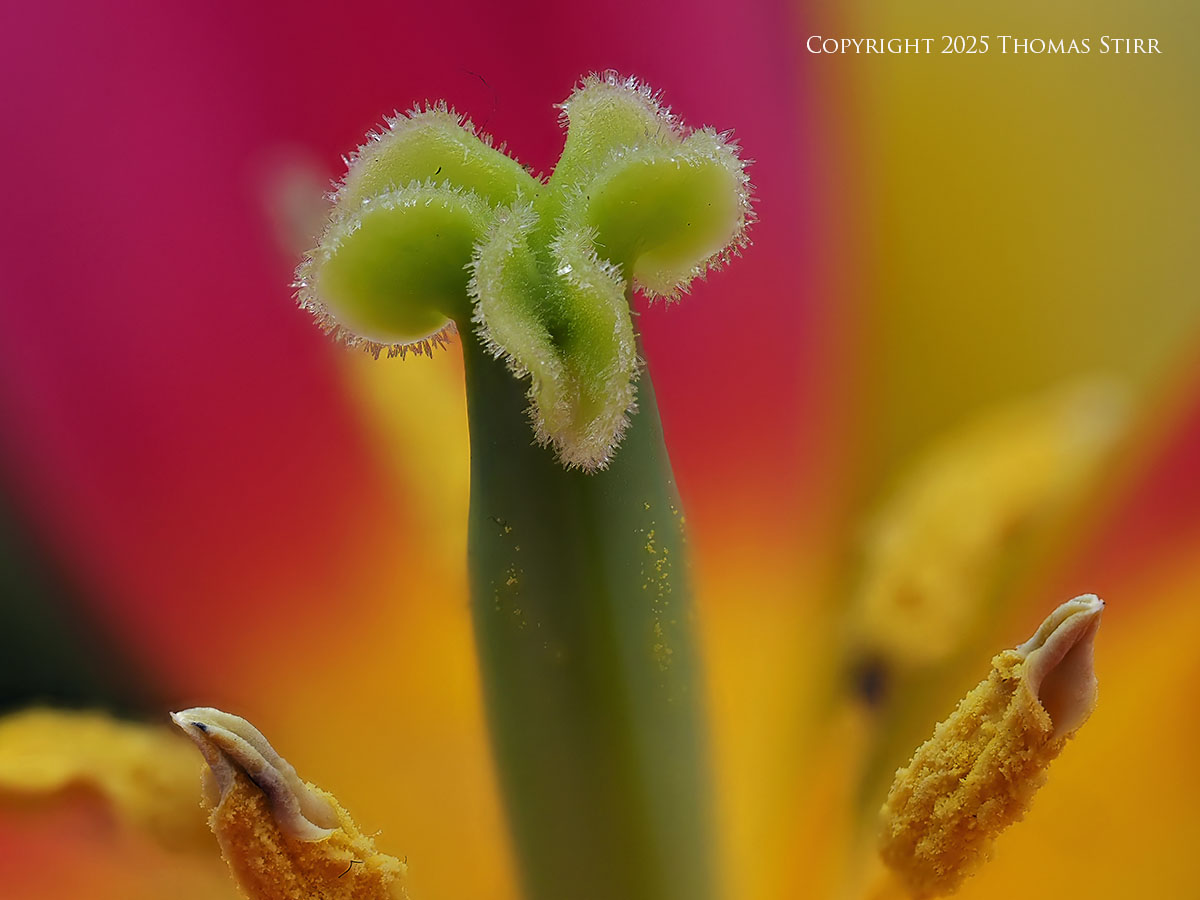
During my recent visit to the Royal Botanical Gardens in Burlington Ontario, I decided to get in tighter with many of my compositions.
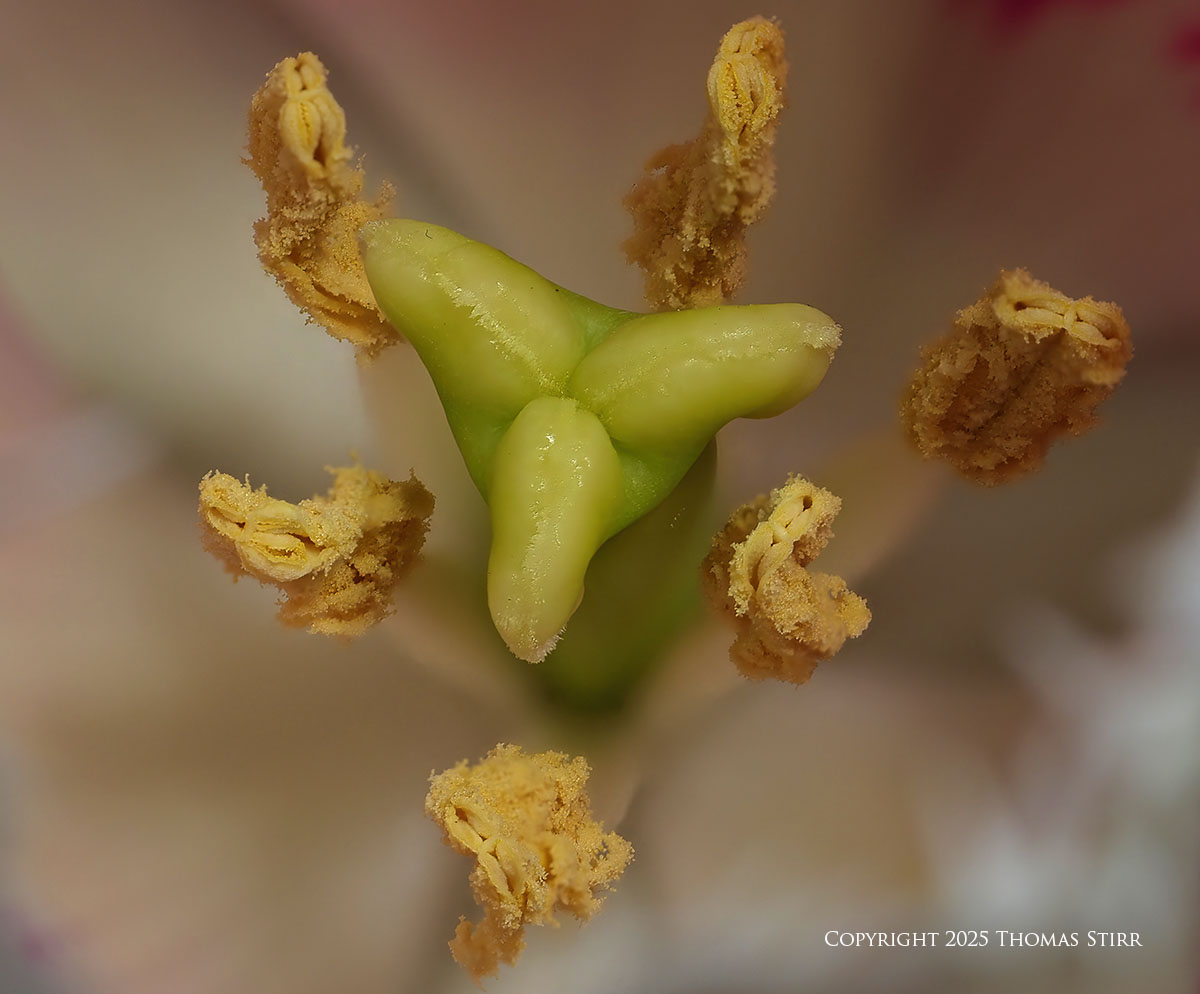
Shooting downward into the centre of flowers handheld often required using the articulating rear screen on my E-M1X.

Since I almost always compose my handheld macro images using the rear screen of my camera anyway, this felt very natural and comfortable for me to do.

In some cases I had to hold my camera in a stretched out position and could not press my elbows in against my body. This required some additional concentration, as well as the use of some faster shutter speeds.

The small details of living things continually amazes me. Often when I create some HHFS macro flower images I lose track of time.
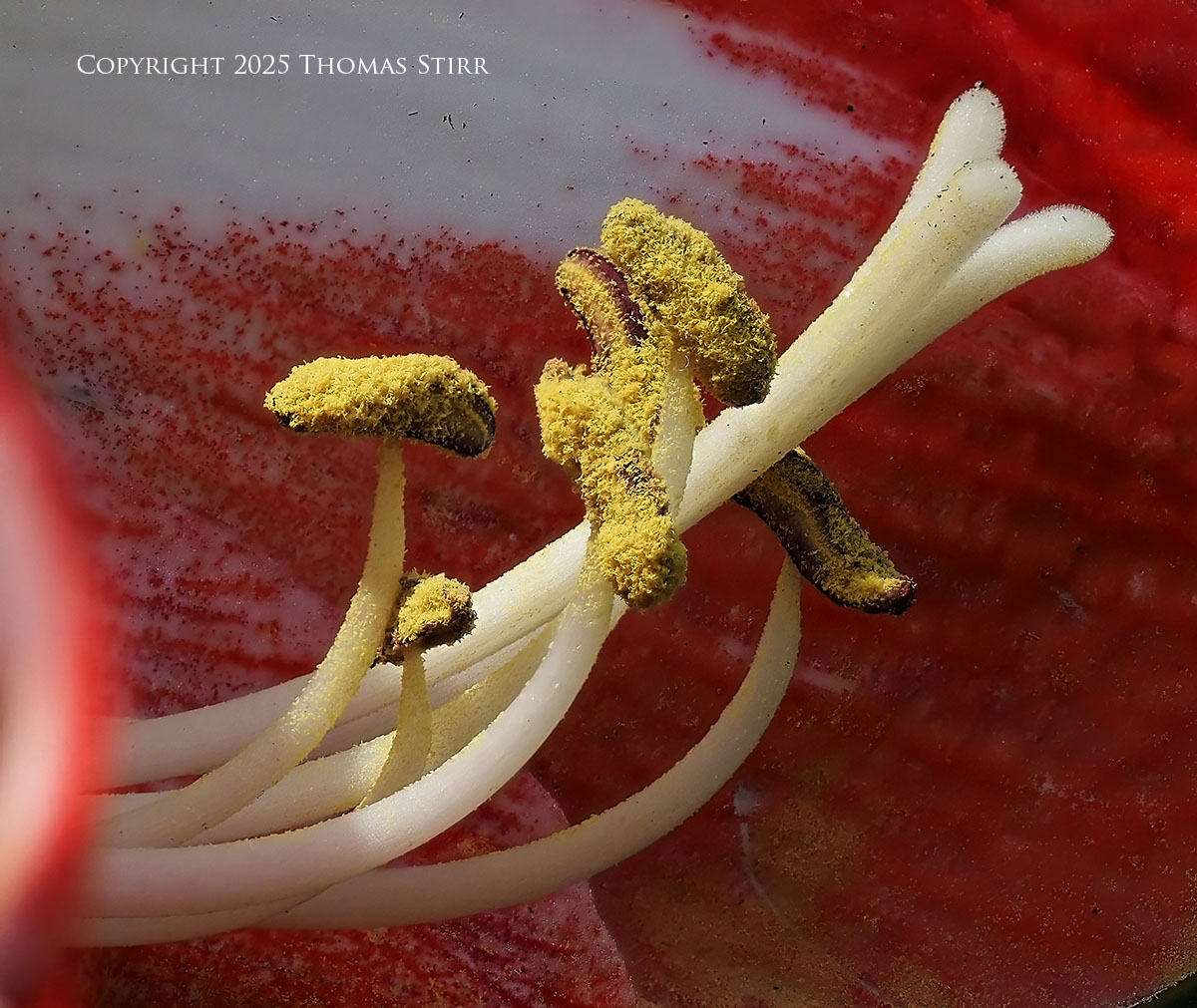
The intricacies of nature draw me in like a magnet.

I love separating individual, tiny blossoms out from the surrounding background.
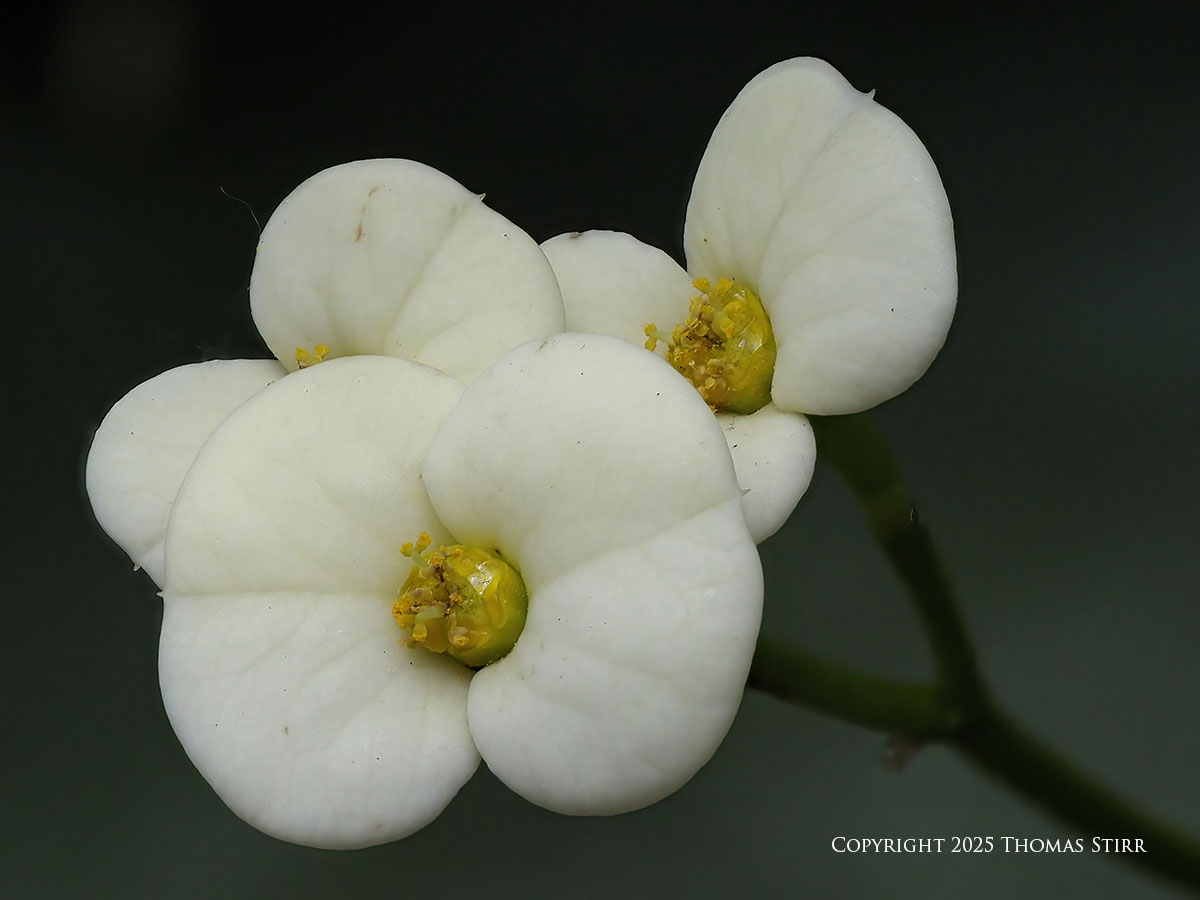
Purposely underexposing an HHFS macro flower image, then recovering some highlights in post can also help with subject separation.
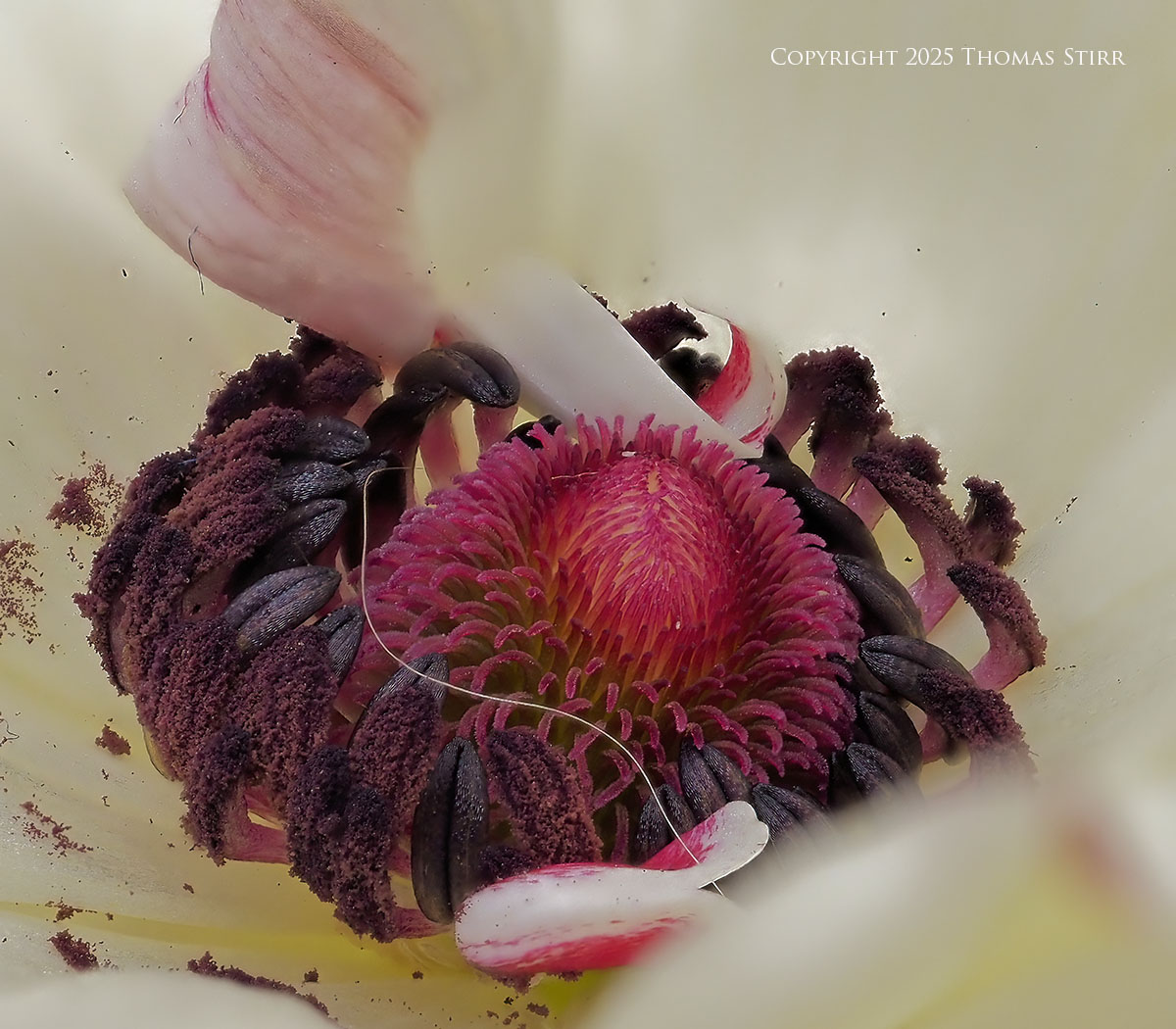
Over the past year I’ve become more comfortable stopping my M.Zuiko 90 mm PRO IS macro lens down to f/8 or f/11 when creating HHFS macro flower images.
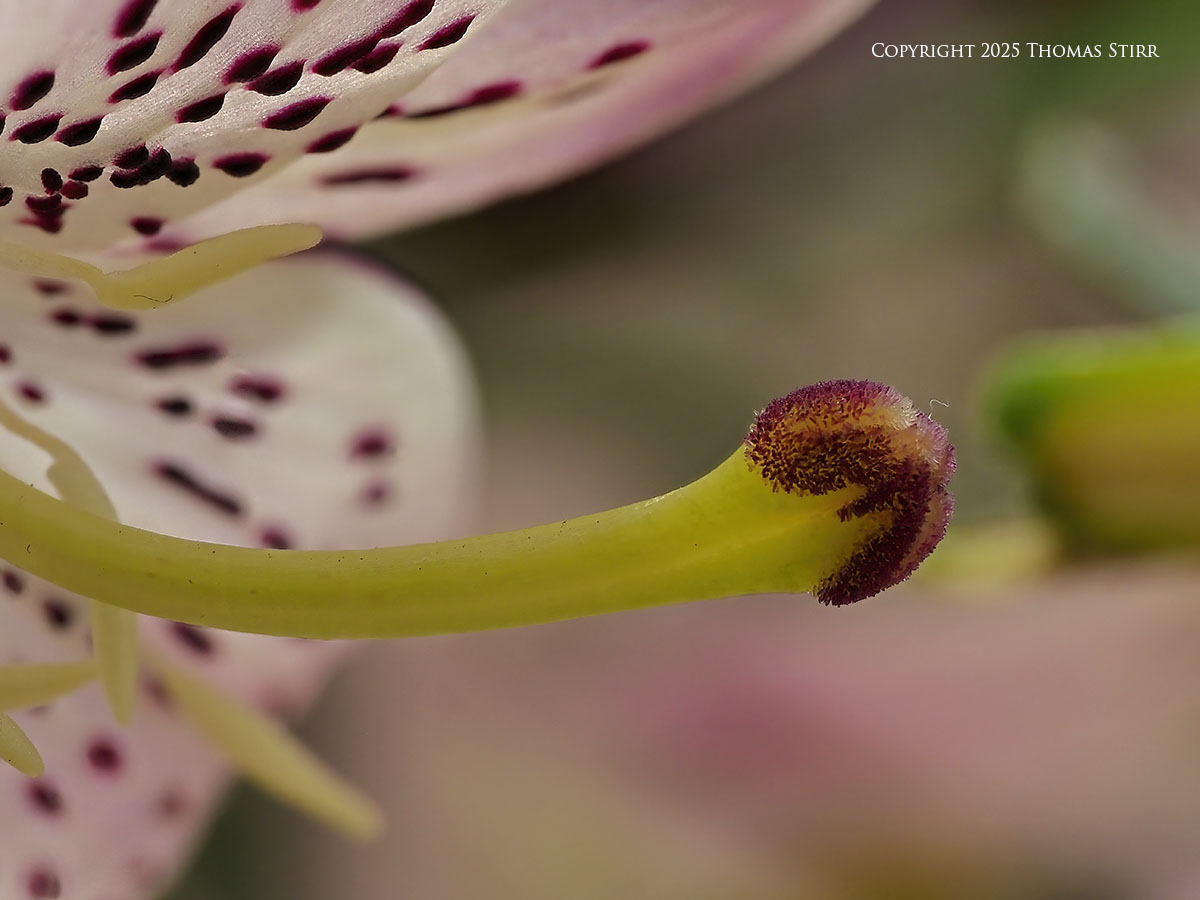
Experimenting with my macro gear will no doubt continue unabated.

There are so many scenarios and creative interpretations to explore.

Looking for small points of light and using exposure compensation when needed is always part of the creative process.

The output from an HHFS macro flower image is a jpeg, so I try to limit my ISO value as best I can. There are occasions when a subject cries out to be photographed… and the resulting noise has to be dealt with in post.

Some photographers will choose to combine the corresponding RAW files that are captured when using handheld in-camera focus stacking in post. That is not my inclination.

I’ve always hated working in post and try to limit my time to a maximum of 3-4 minutes per image. The out-of-camera jpeg files featured in this article were very efficient to process in post with the vast majority of them taking less than 3 minutes each including processing time.

Incorporating a discernable, but out of focus element in the background, can help to add a feeling of depth to a composition.

Photographing whisper-fine details can add to the challenge of using handheld in-camera focus stacking… but also add to the feeling of accomplishment.

Macro photography puts us on a journey of discovering the small details of life. It can become an addictive pursuit.

There is a gentle balance to be found in nature. Looking at a blossom is to look at living perfection.
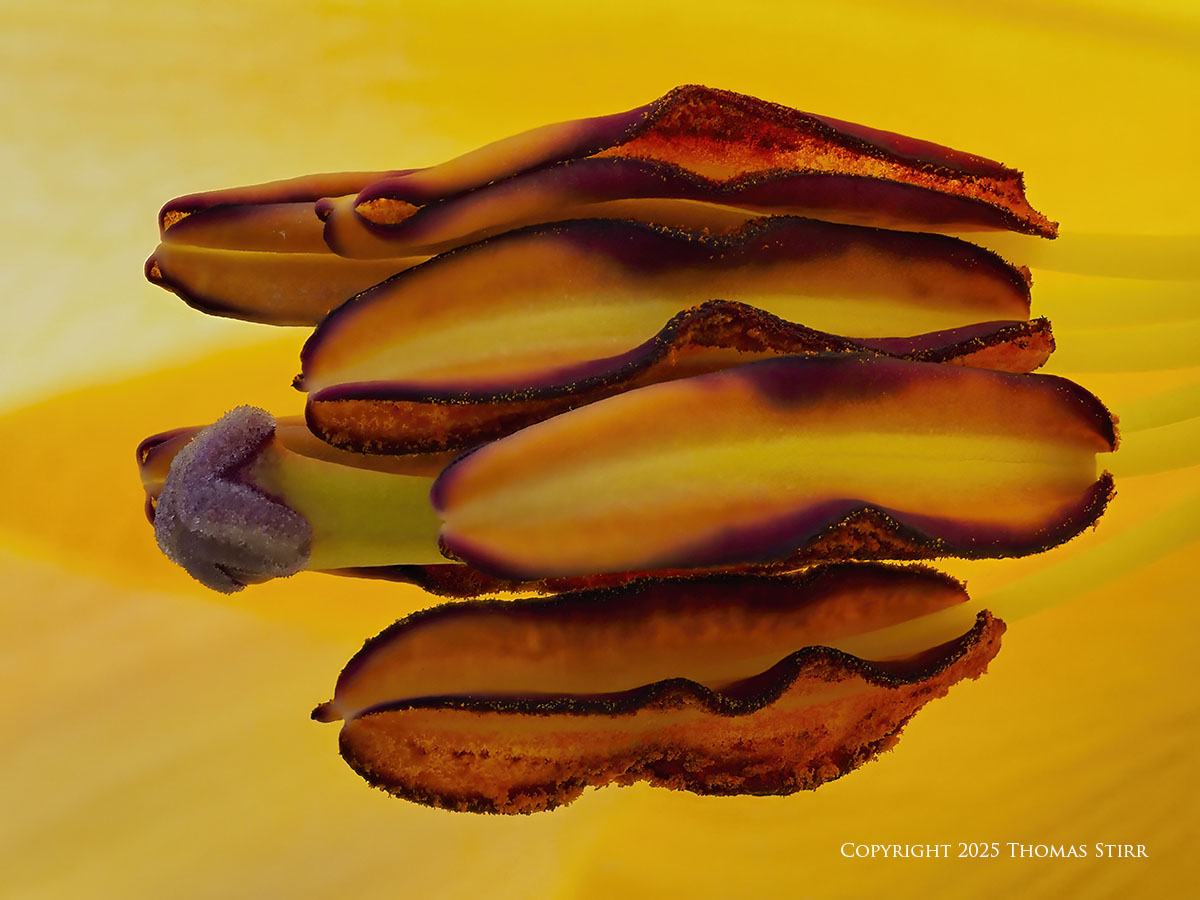
Drama can be found when photographing flowers. Contrast and the natural coordination of individual elements have their own beauty and visual power.

Pursuing our photographic passions leads us to experiment with our camera equipment and use it in ways that best enable our creativity. For me, HHFS macro flower images are an integral part of my journey.
Technical Note
Photographs were captured handheld using camera equipment noted in the EXIF data, in natural light. All images were created from out-of-camera jpeg files using my standard process in post. Handheld in-camera focus stacking (HHFS) was used for all of the images featured in the article. A stack of 10 images with a focus differential of 5 was used for all of the photographs in this post. This is the 1,456 article published on this website since its original inception in 2015.
Copyright
Word of mouth is the best form of endorsement. If you like our website please let your friends and associates know about our work. Linking to this site or to specific articles is allowed with proper acknowledgement. Reproducing articles, or any of the images contained in them, on another website or in any social media posting is a Copyright infringement.
Article and images are Copyright 2025 Thomas Stirr. All rights reserved. No use, duplication or adaptation of any kind is allowed without written consent. If you see this article reproduced anywhere else it is an unauthorized and illegal use. Posting comments on offending websites and calling out individuals who steal intellectual property is always appreciated!