

This short article features some sample HHFS (handheld focus stacked) images using the M.Zuiko 12-100 f/4 PRO IS zoom lens… captured at the Cambridge Butterfly Conservatory. These photographs demonstrate the old adage that the ‘best camera’ is the one that you have with you.
NOTE: Click on images to enlarge
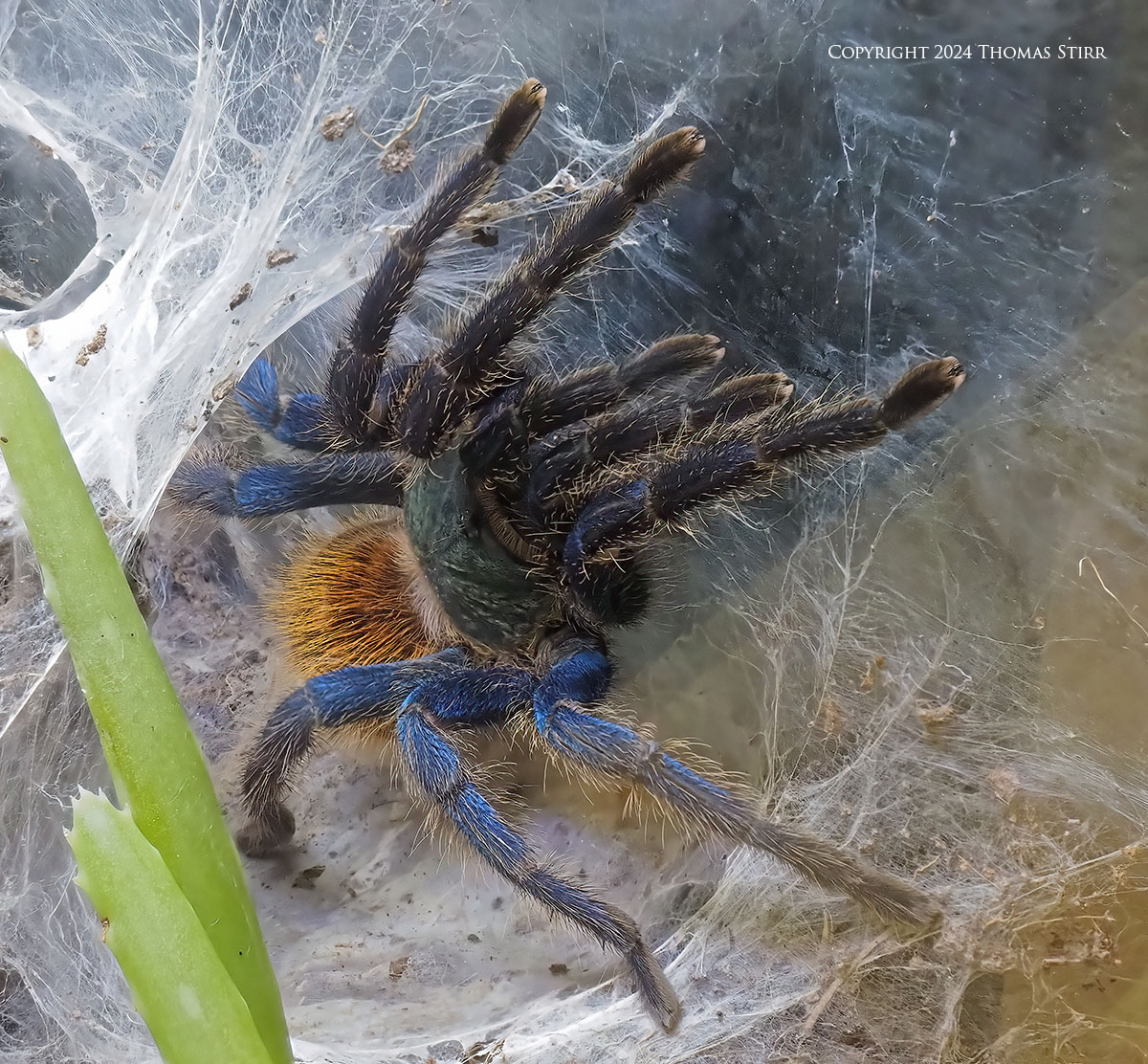
I wouldn’t have typically used the M.Zuiko 12-100 mm f/4 PRO IS zoom lens for this type of subject matter as my main objective that day was to capture some photographs of my granddaughters visiting the facility.
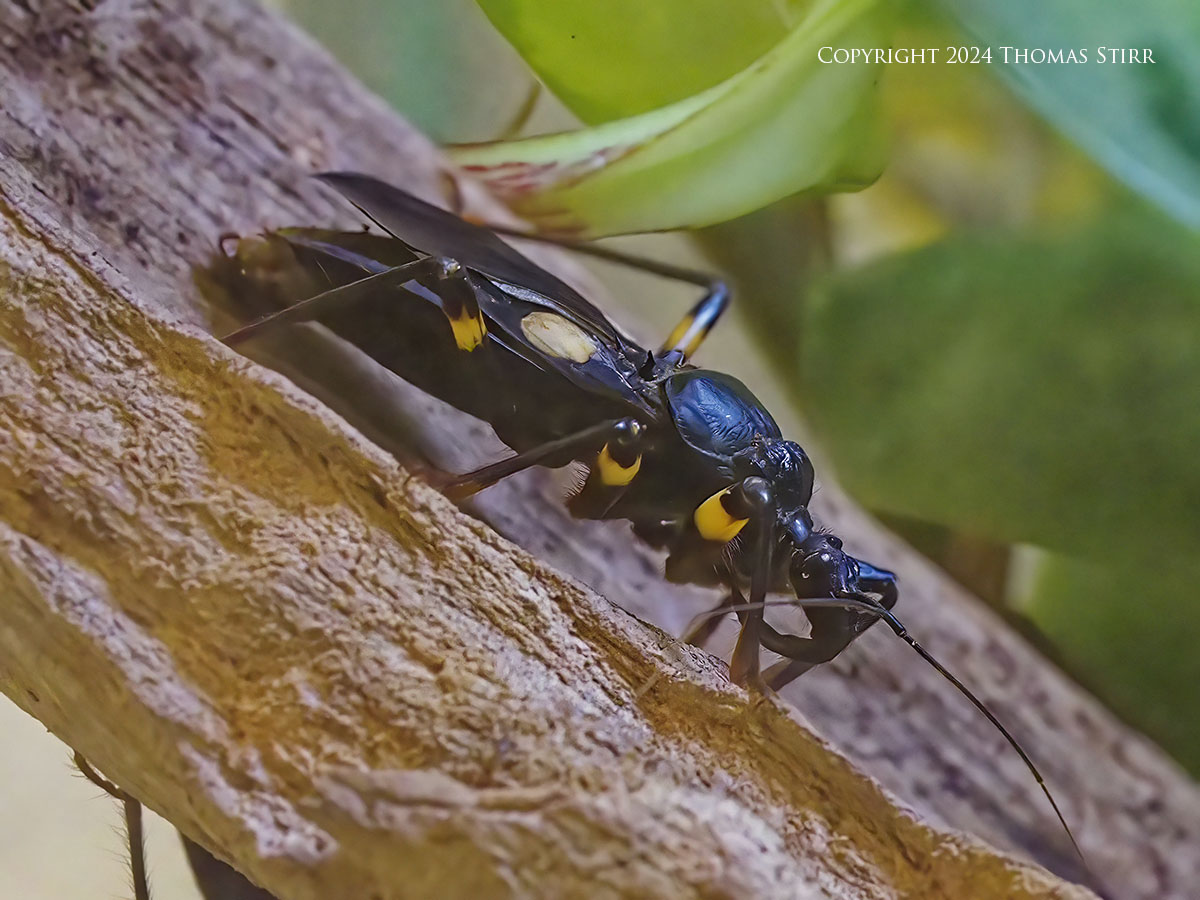
It has been about 5 years since I last visited the Cambridge Butterfly Conservatory and I had forgotten that the facility has a number of large, tropical insects and other specimens, on display in glass enclosures.
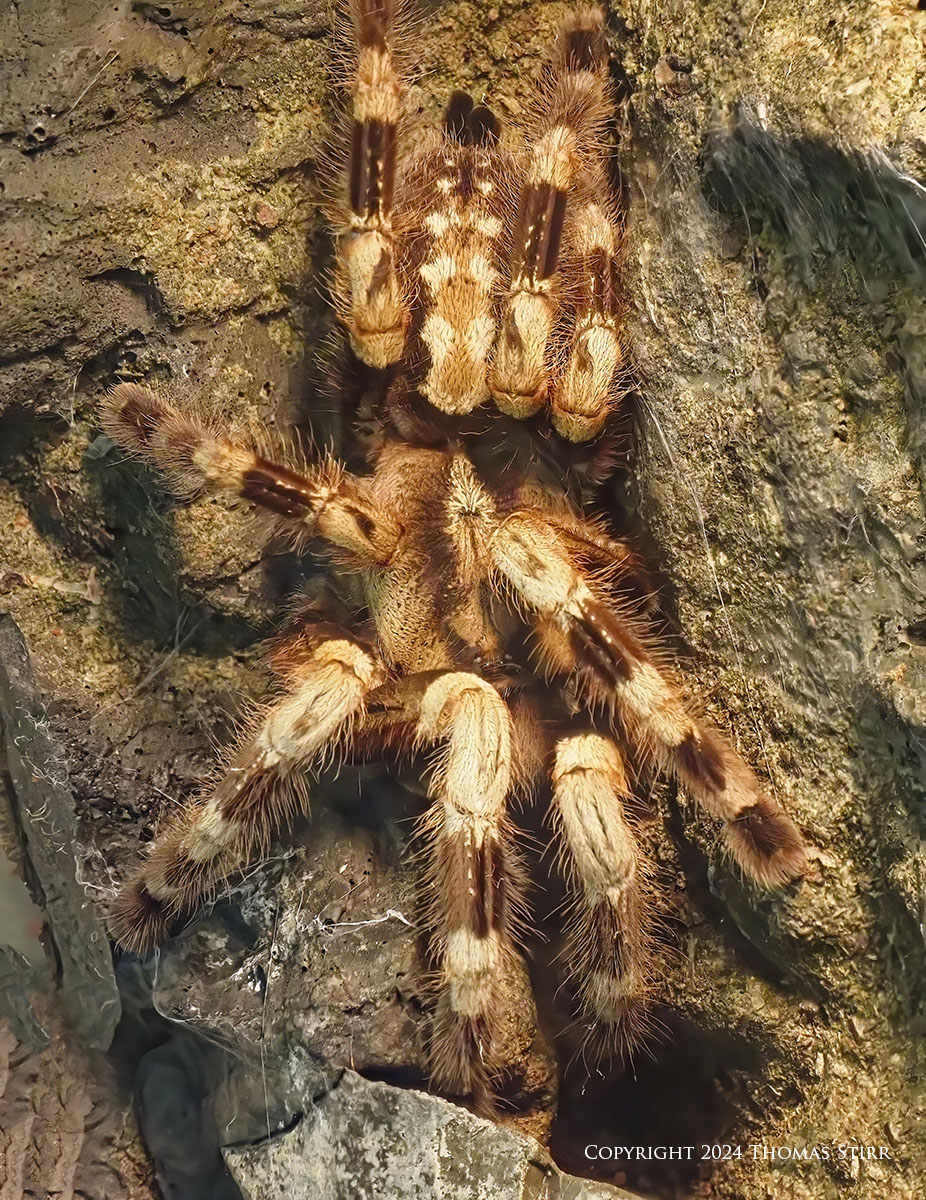
So, I did what I could in terms of choosing shooting angles to help minimize glare from the glass enclosures, and also dealing with the dark, and often uneven, lighting conditions.
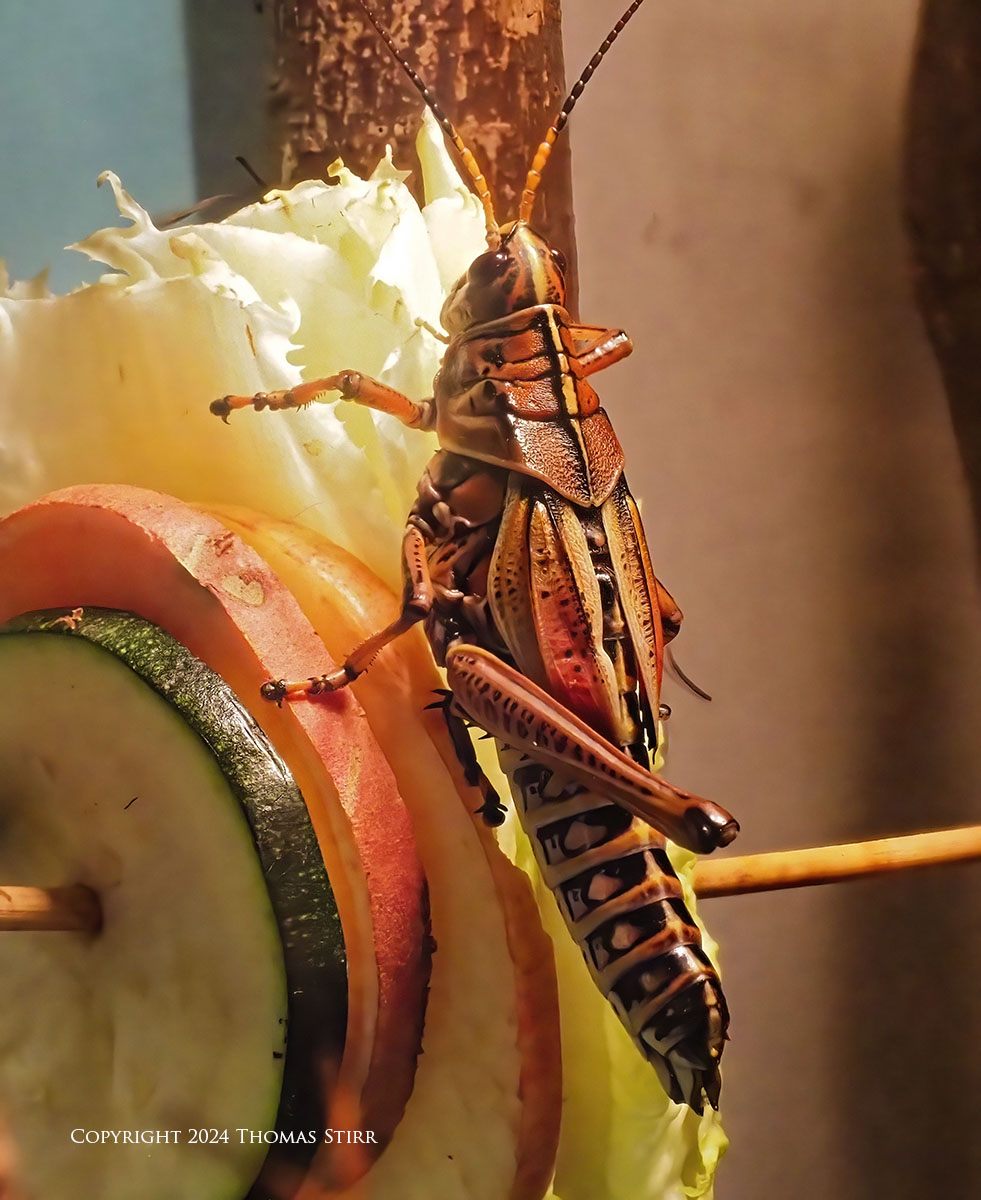
As you review the EXIF data you’ll see that one of the images was captured handheld at ISO-1000. Higher ISO values that ranged from ISO-2500 to ISO-6400 were used for the rest of the sample HHFS images featured in this article.
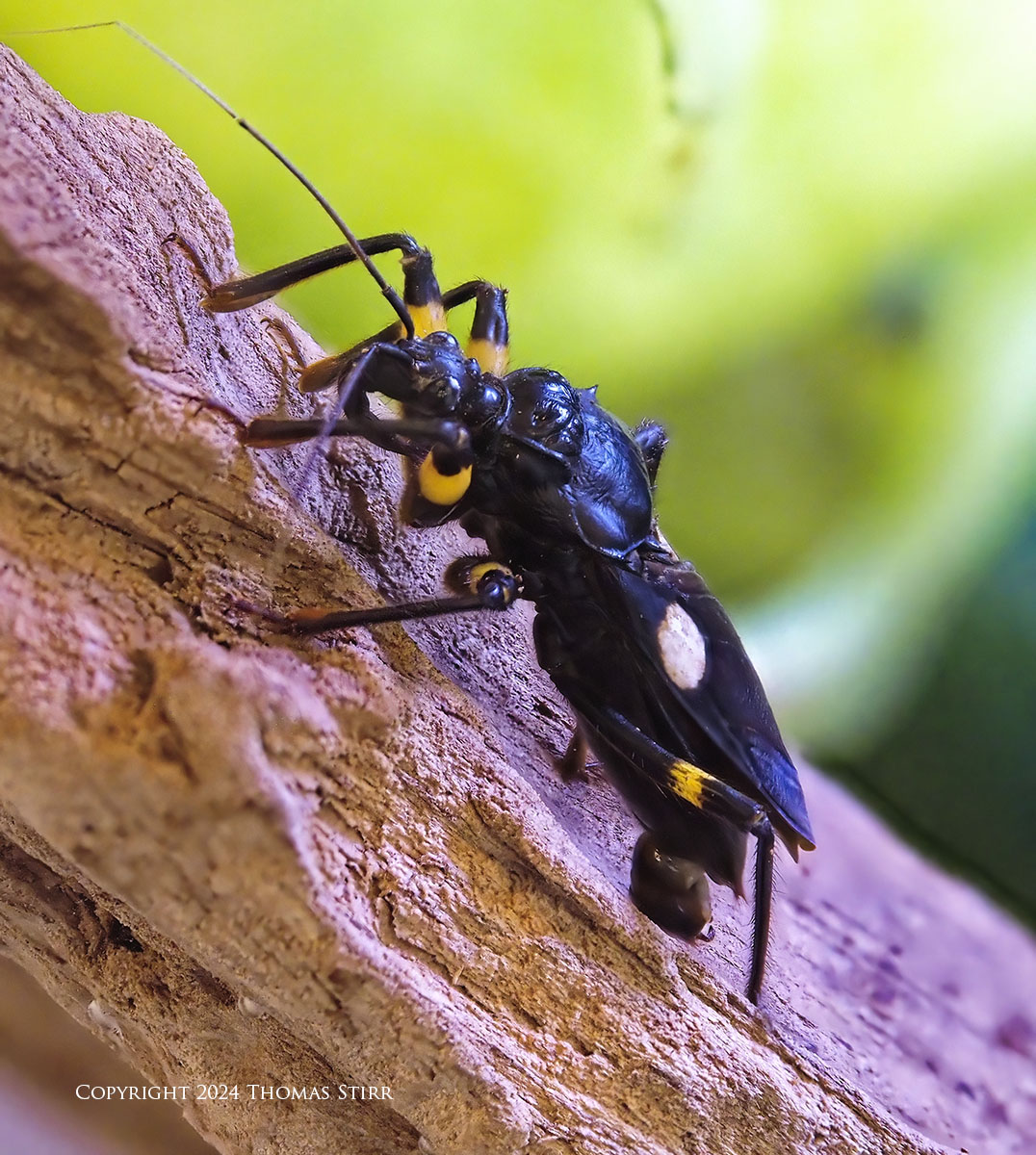
Since my output was out-of-camera jpegs… as would be expected I used Topaz Denoise AI as part of my processing for all of the images in this article. It should be noted that I use a non-current version of this software.
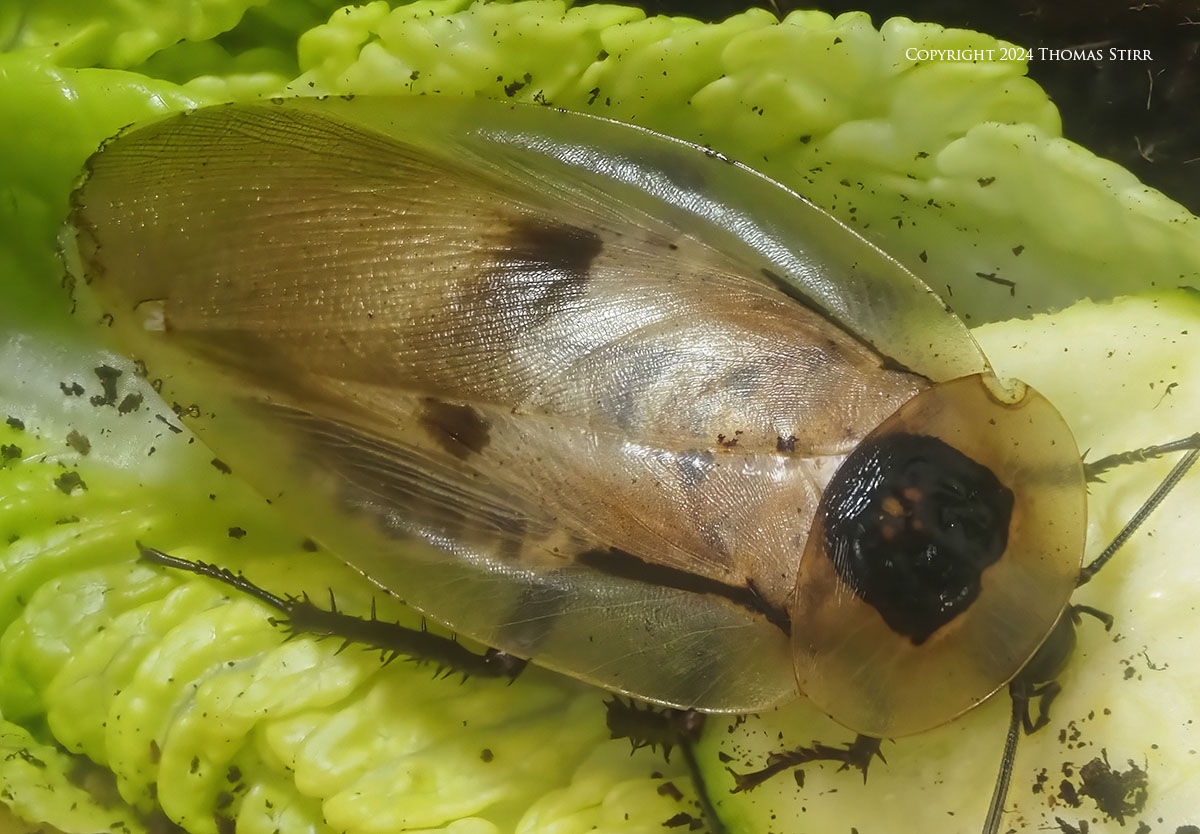
I knew from previous experience with the M.Zuiko 12-100 mm f/4 PRO IS zoom, that it has a closest focusing distance of 0.15 metres. So… it actually can be a practical lens to use for close up photography.
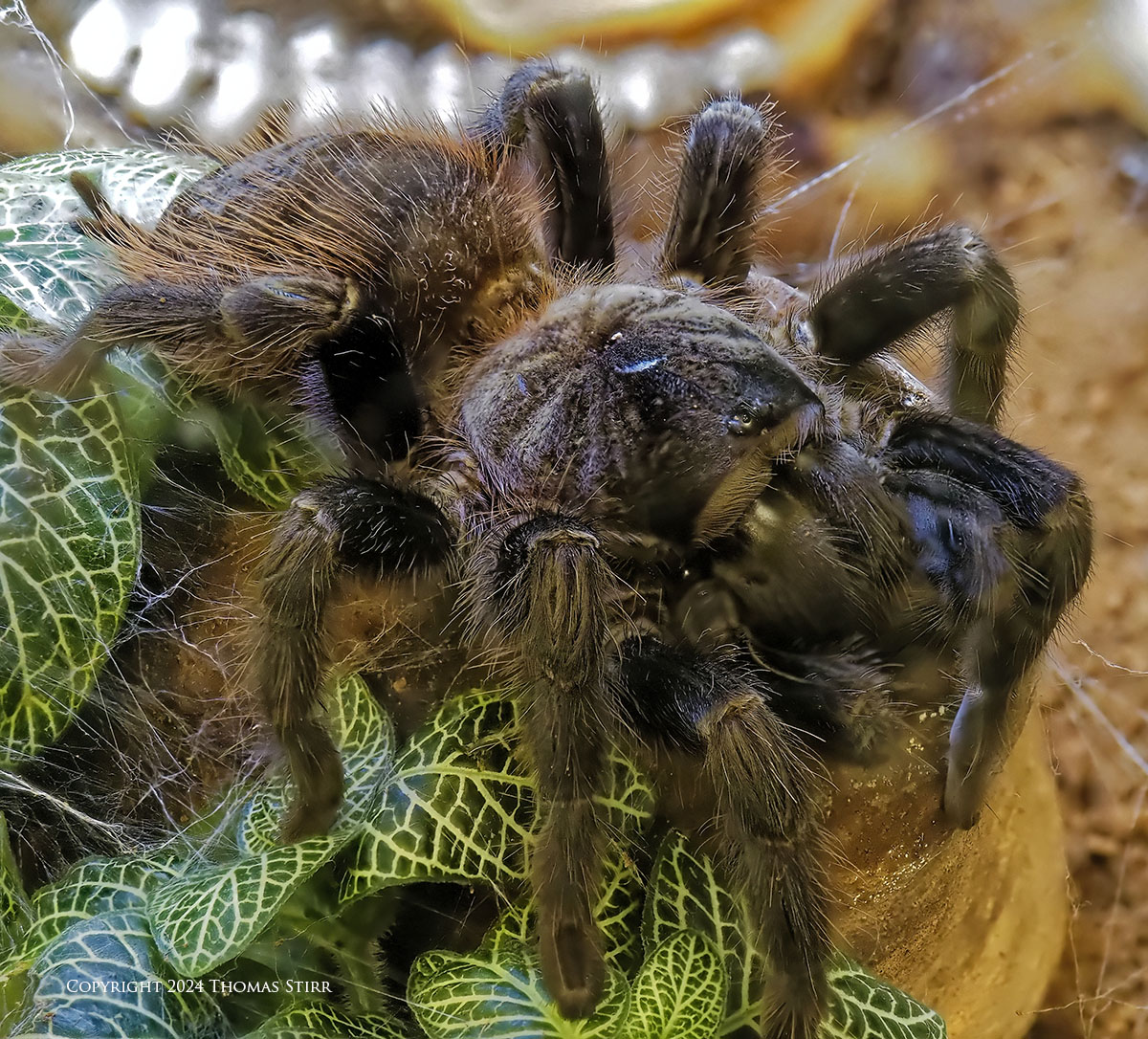
The lighting was quite uneven in a number of the display cases which made getting balanced exposures a challenge. This led to me using DXO ClearView Plus in post with some of my photographs to help improve image definition.
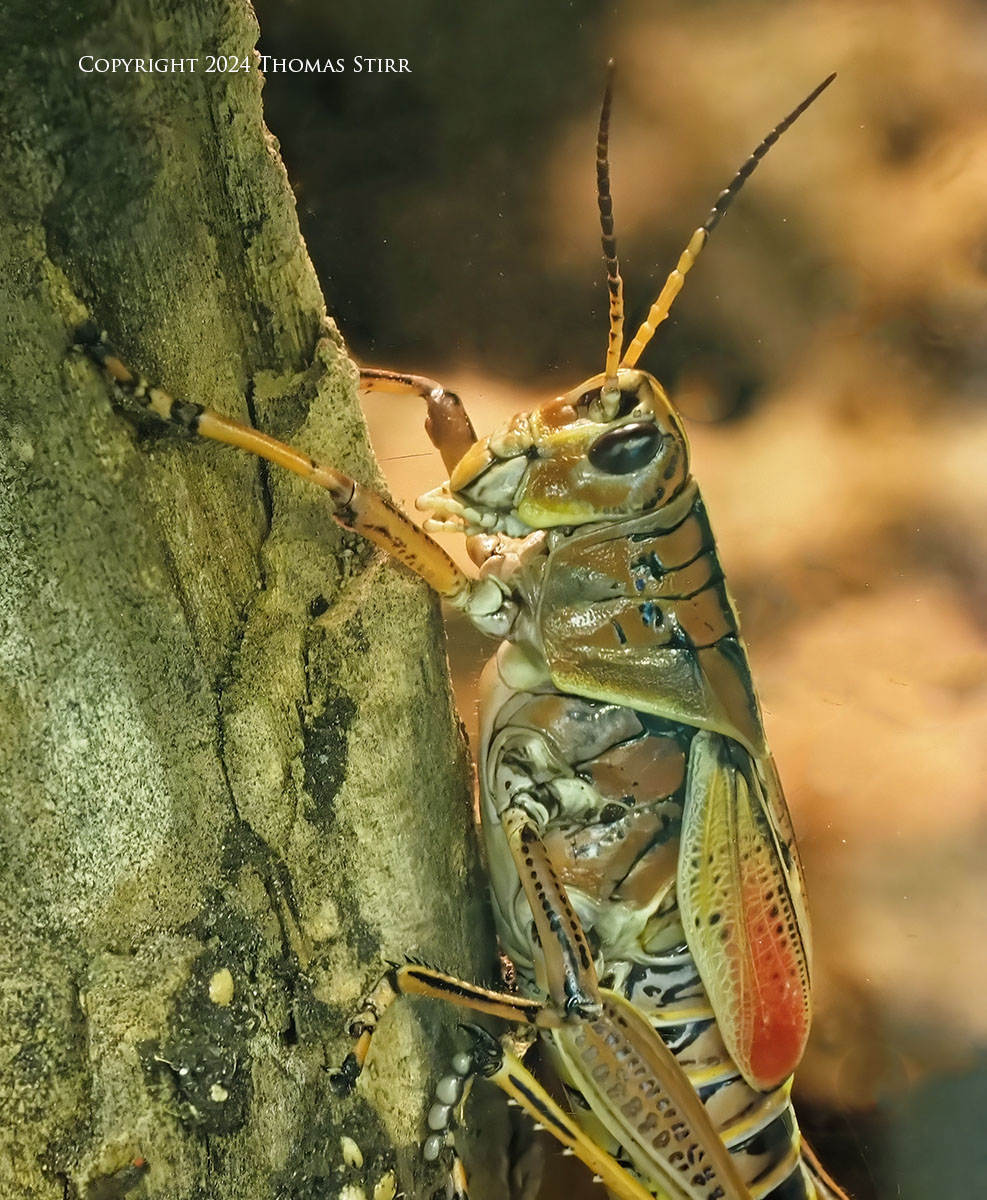
As is my standard practice I only spent a couple of minutes in post with each of these handheld out-of-camera focus stacked jpeg files.
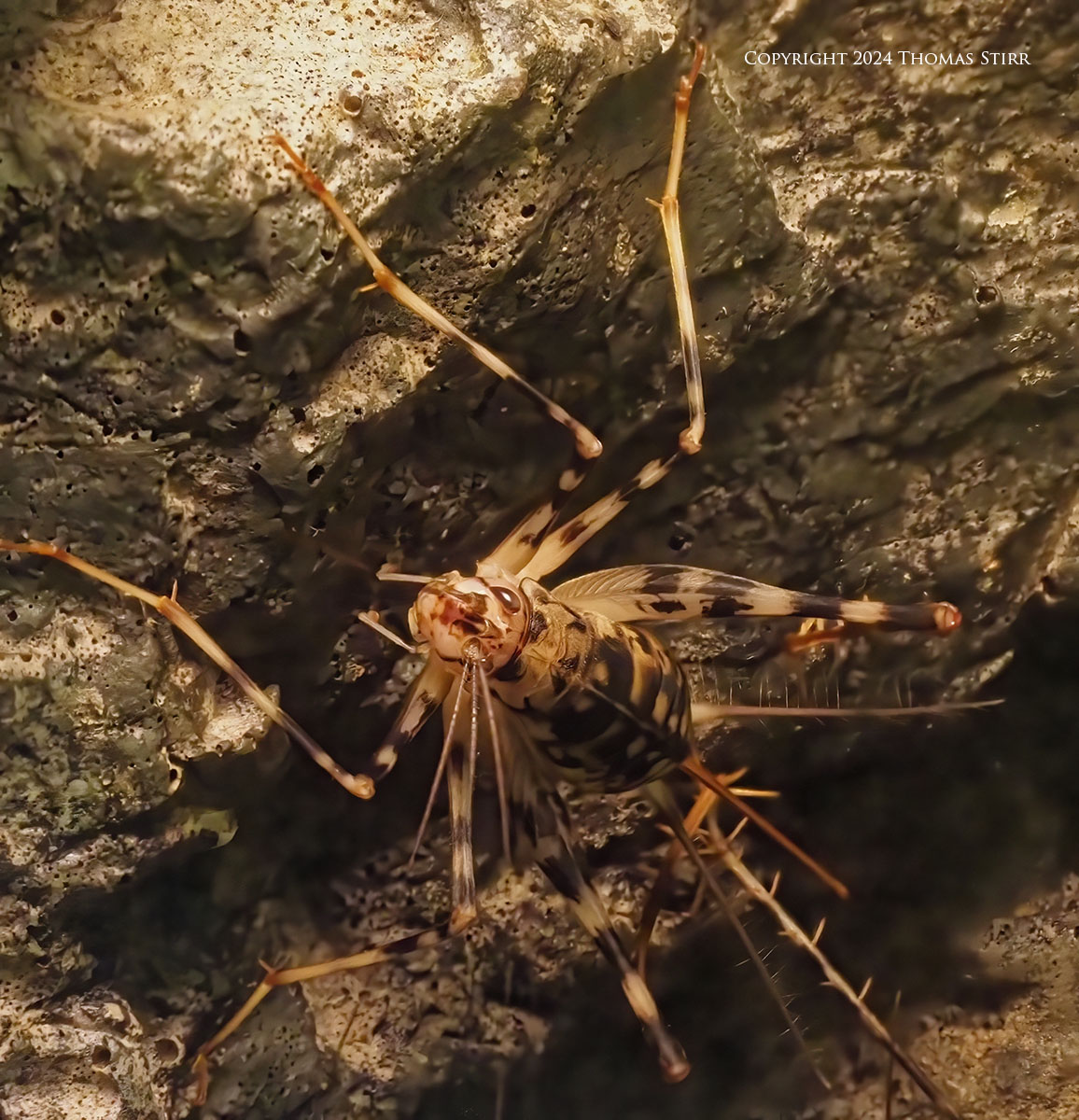
I used an in-camera focus stack of 12 images, utilizing a Focus Differential of 5, for all of the sample photographs in this article. Aperture was adjusted based on my assessment of the overall depth-of-field desired… given the composition, the subject distance, and lens focal length used.
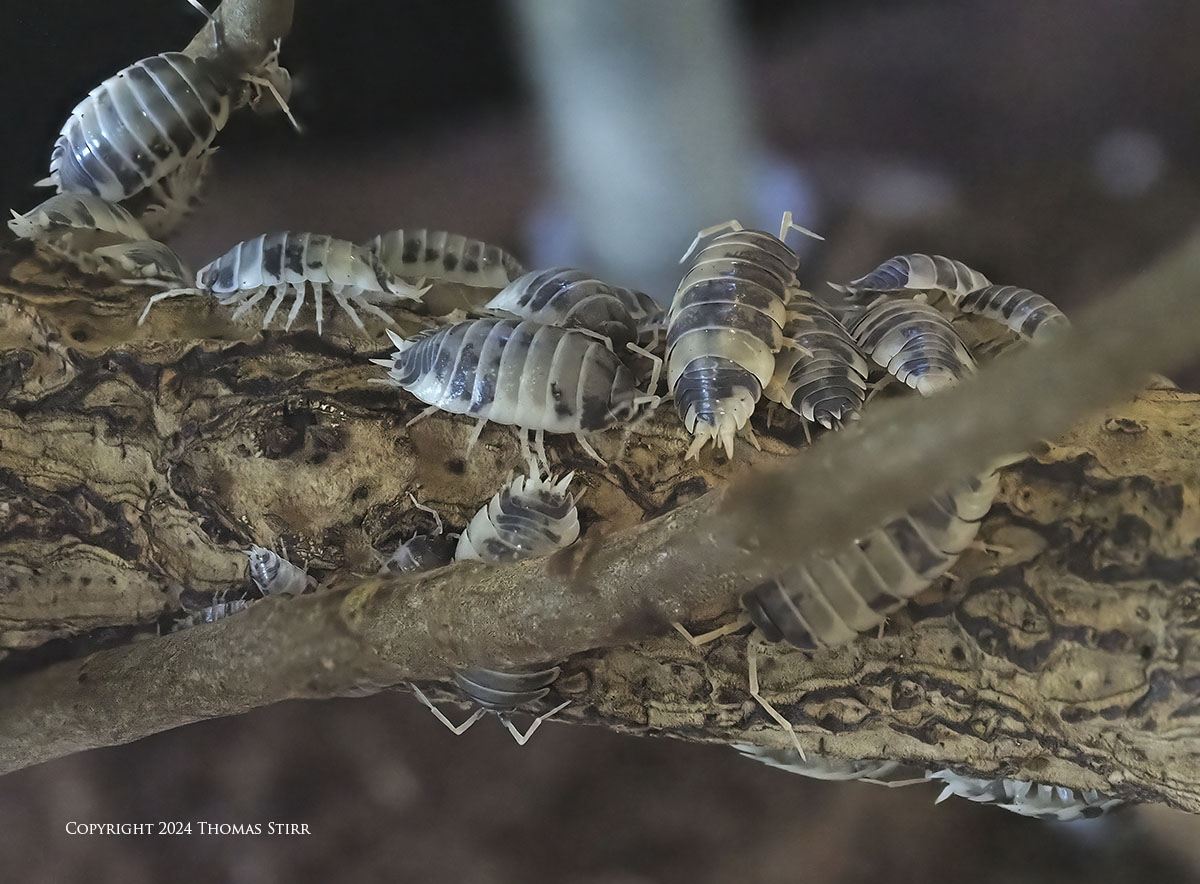
From time to time we may find ourselves in situations where we do not have the ideal camera or lens with us. All we can do is improvise the best we can with the camera gear that we have in our hands. Regardless of the gear we may own, understanding the capabilities and practical limitations of our camera equipment is very beneficial in these types of situations.
Technical Note
Photographs were captured handheld with the camera equipment noted in the EXIF data, and using single point auto-focus. All images were created from out-of-camera jpegs using my standard process in post.
All photographs were created using handheld in-camera focus stacking. A stack of 12 images with a Focus Differential of 5 was used for all of the sample photographs in this article. This is the 1,401 article published on this website since its original inception in 2015.
Word of mouth is the best form of endorsement. If you like our website please let your friends and associates know about our work. Linking to this site or to specific articles is allowed with proper acknowledgement. Reproducing articles, or any of the images contained in them, on another website or in any social media posting is a Copyright infringement.
Article and images are Copyright 2024 Thomas Stirr. All rights reserved. No use, duplication or adaptation of any kind is allowed without written consent. If you see this article reproduced anywhere else it is an unauthorized and illegal use. Posting comments on offending websites and calling out individuals who steal intellectual property is always appreciated!