
There are a number of definitions for tribalism. Having a very strong feeling of loyalty to a specific social, political, or religious group… to the extent that a person will support them regardless of what they do… is one definition of tribalism.
NOTE: Click on images to enlarge. Photographs have been added to serve as visual breaks. To view this article in a range of other languages click on the Canadian flag in the upper right corner.
Tribalism can be based on our individual belief systems. Our connection with sports teams. Educational institutions. Special interest clubs. Even our ownership of specific products… or brands of products.
Some anthropology researchers conclude that all of us have the machinery for tribalism inside us. The intensity of the biases that are created by tribalism vary significantly by individual.
Tribalism has its roots in the survival necessities of early humans. We banded together for mutual defense, and shared responsibilities to hunt and gather food. Early groups of individuals got together and developed behavioural norms to guide interpersonal dynamics.

When taken to an extreme, tribalism can lead to conflict to the point of violence. Even ethnic cleansing. As was witnessed with the Holocaust, the Rwandan, and Armenian genocides. The forced relocations and resettlements of peoples have regularly occurred in recorded history, and date back over 2,000 years ago during the Neo-Assyrian Empire.
Children as young as 6 years old appear to show in-group biases. Threat responses to racial cues can sometimes become active in people as young as 14 years of age. So… humans appear to have the capacity for grouping at very young ages. Some specific behavioural orientations based on content, are learned. In short… none of us is born a bigot or a racist. We are taught to become one.

Tribalism can also lead to confirmation bias. Groupthink. Discrimination. Prejudice and xenophobia. One of the hallmarks of tribalism is an “us versus them” mentality.

In the photographic community tribalism can manifest as narrowmindedness about only using the ‘right technique’ when creating a specific type of image.

Elitism can be visible and enflamed by gear wars. Folks can become intolerant of the equipment choices made by other photographers, and hurl online insults at them. Self-worth may disappear… and be replaced by submitting to group approval that is based on the ownership of specific camera equipment.

Gear snobbery can become ingrained. To some folks, the camera gear that was used to create an image can become more important than the beauty… drama… emotion… or quality of a photograph.
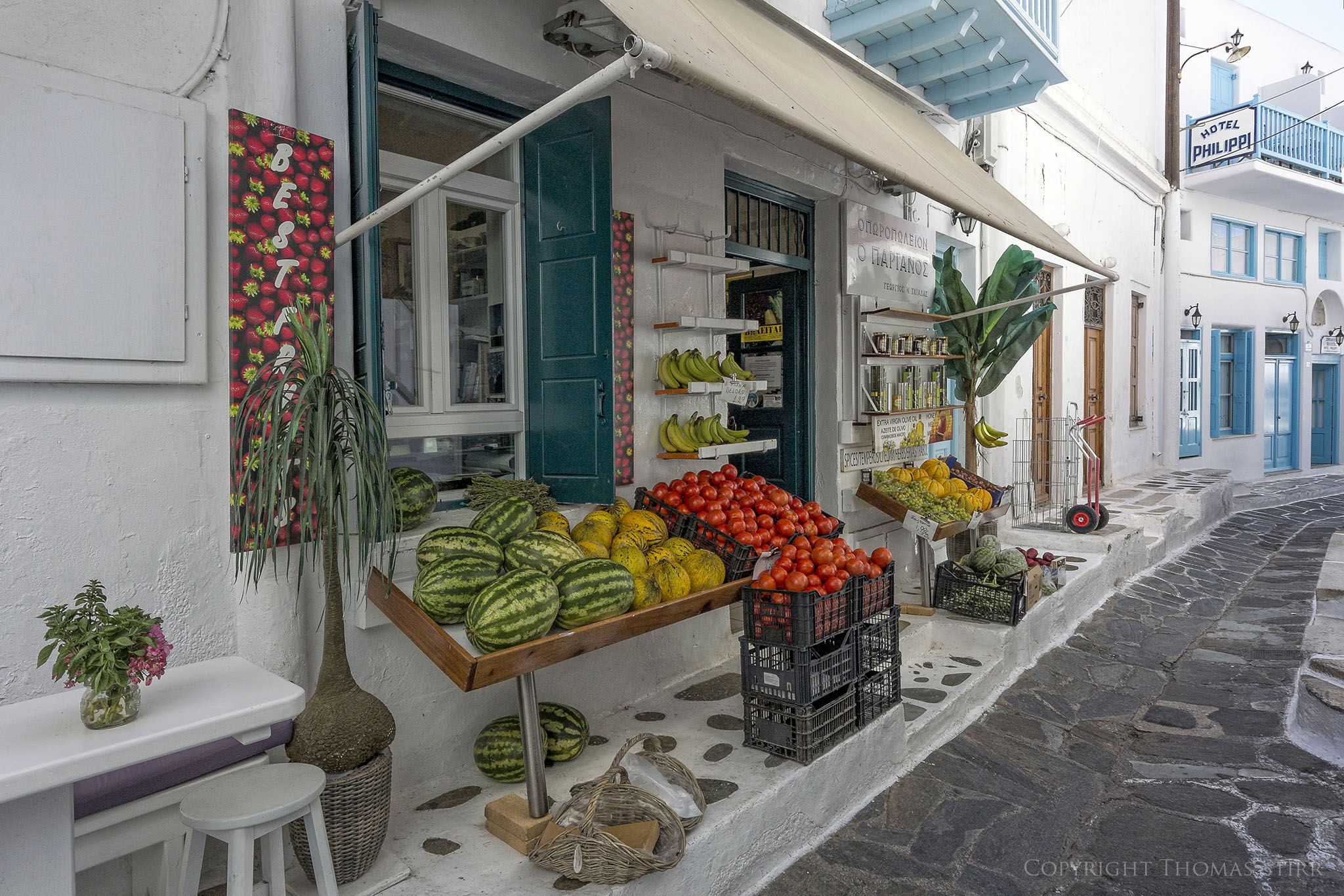
Photographic tribalism is also experienced when people adhere to very narrow definitions of a particular genre or style of photography. For example, some individuals may view street photography without people… as heresy.

Clipping the wings of birds in flight may garner harsh criticisms. The use of computational photography technologies can be viewed as impure transgressions that somehow insult the historical context of photography.
We may slavishly follow the tenets of specific photographers from the past, and elevate them to guru status.
Willingly giving up our own photographic visions in our quest to imitate or emulate others…. is a form of photographic tribalism. And an abandonment of the self.
The stronger our photographic tribalism is… the more likely we are to criticize and attack other photographers and their work. This only serves to throw gasoline on the gear flame wars that are prevalent on some websites.
Unfortunately ethics can take a back seat to potential income generation. Some online creators purposely try to incite photographic tribalism as it can lead to increased website traffic… and the related postings of vitriolic comments. These protracted and emotional arguments can feed SEO rankings.
Website statistics may increase… at the expense of the online experiences of some of their readers. These may be far from optimal. Of course there are folks who love to wallow in mud-slinging. To each their own… *shrugs*

Since we apparently all have the capacity for tribalism, what can we do to limit its effects in our work? In our interactions with others? And, in our lives?

The first step is to become more aware of the biases that we bring to our photography and to our lives. We can become more sensitive to the criticisms of others that the ‘little voices in our heads’ create.
We can catch ourselves being judgmental. About the camera equipment someone else is choosing to use. Or, how they choose to live their lives. We can bite our tongues as not to spew out unsolicited advice… and mean spirited criticisms.

We can light the flame of our inner peace. We can become calmer. More rational. More supportive. More understanding. When we do… we unleash more of our creativity… and enjoyment of the world around us.
After all… the cameras and lenses we use are not ends unto themselves. They are simply the tools we use along our photographic journeys of self-discovery.
Technical Note
Photographs featured in this article were captured handheld using camera gear noted in the EXIF data. Images were created from RAW files using my standard process in post. This is the 1557 article published on this website since its original inception in 2015.
Copyright
Word of mouth is the best form of endorsement. If you like our website please let your friends and associates know about our work. Linking to this site or to specific articles is allowed with proper acknowledgement. Reproducing articles, or any of the images contained in them, on another website or in any social media posting is a Copyright infringement.
Article is Copyright 2026 Thomas Stirr. Images are Copyright 2014-2023 Thomas Stirr. No use, duplication or adaptation of any kind is allowed without written consent. If you see this article reproduced anywhere else it is an unauthorized and illegal use. Posting comments on offending websites and calling out individuals who steal intellectual property is deeply appreciated.